
How to Reconstitute Peptides: A Precise Guide to Mixing and Storing?


You’ve invested in peptides, and now the crucial step of preparation. Reconstituting and storing these delicate molecules correctly is paramount to maintaining their integrity and efficacy for your intended applications. This guide will walk you through the precise process, ensuring you get the most out of your investment.
Before you even reach for a vial, it’s essential to grasp a few fundamental principles. Peptides, especially lyophilized (freeze-dried) ones, are highly sensitive to their environment. Improper handling can lead to degradation, rendering them inactive or even harmful.
The Nature of Lyophilized Peptides
Lyophilization is a process that removes water from a substance through freezing and then sublimating the ice under vacuum. This creates a stable, dry powder that significantly extends the shelf life of peptides. However, this dryness also means they are inherently hygroscopic, meaning they readily absorb moisture from the air. Exposed to moisture for prolonged periods, especially at suboptimal temperatures, peptides can begin to break down.
Why Careful Reconstitution Matters
Your goal in reconstitution is to dissolve the lyophilized peptide powder into a solution that is stable and suitable for its intended use. This usually involves adding a specific solvent and ensuring complete dissolution without introducing contaminants or causing undue stress to the peptide chain. The chosen solvent, the amount used, and the subsequent storage conditions all play critical roles. Mishandling can lead to:
Denaturation and Aggregation
Peptides are complex folded chains of amino acids. Exposure to improper solvents, extreme pH, or excessive agitation can cause these chains to unwind (denaturation) or clump together (aggregation). Aggregated peptides are often biologically inactive and can trigger unwanted immune responses if injected.
Bacterial Contamination
Any time you introduce a solvent and manipulate a vial, there’s a risk of introducing bacteria. While peptides themselves may inhibit bacterial growth to some extent, the reconstituting solvent often does not. Strict aseptic techniques are therefore vital.
Chemical Degradation
Peptides are susceptible to various chemical reactions that lead to degradation, such as oxidation, deamidation, and hydrolysis. The choice of solvent and storage conditions can influence the rate of these reactions.
If you’re interested in learning more about the broader context of peptide use, you might find the article on the differences between oral and injectable steroids particularly insightful. It discusses the pros and cons of each method, which can be beneficial for those considering various options for their fitness and health goals. For more details, check out the article here: Oral vs Injectable Steroids: Which is Better for Your First Cycle?.
Essential Supplies for Reconstitute Peptides
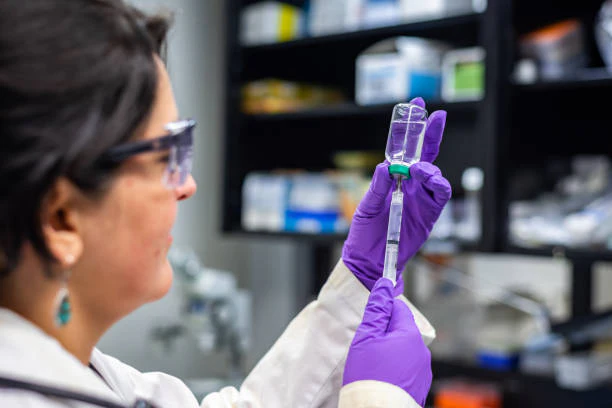
Having the right tools readily available before you begin will streamline the process and minimize the risk of errors or contamination. Think of it as preparing your laboratory bench for a delicate surgical procedure.
Sterile Syringes and Needles
- Type: Always use sterile, single-use syringes. Luer-lock syringes are preferred as they provide a secure connection between the syringe and the needle, preventing accidental detachment.
- Gauge: The needle gauge will depend on the volume of solvent you are using and the viscosity of the peptide solution. For most peptide reconstitutions, a 25-30 gauge needle is appropriate. Larger gauges can introduce more air bubbles, while smaller gauges can be more difficult to draw up and inject liquid with.
- Sterility: Ensure all needles and syringes are factory-sealed and that you maintain their sterility until the moment of use.
Sterile Solvent
- Bacteriostatic Water for Injection (BWFI): This is the most common and generally recommended solvent for reconstituting peptides intended for injection. BWFI contains benzyl alcohol (typically 0.9%) as a bacteriostatic agent, which inhibits bacterial growth in multi-dose vials after they have been punctured. Always check the expiration date of your BWFI.
- Sterile Water for Injection (SWFI): While SWFI can be used, it lacks the bacteriostatic agent. This means that once you reconstitute a peptide with SWFI and puncture the vial, it becomes a single-use preparation as bacterial growth can occur. It’s suitable for peptides not intended for injection or if you plan to use the entire reconstituted vial immediately.
- Sterile Saline (0.9% Sodium Chloride): Sometimes used, sterile saline provides an isotonic solution. However, the benzyl alcohol in BWFI is generally preferred for its preservative qualities.
- Other Solvents: Very occasionally, peptides might require reconstitution in specific buffer solutions or even organic solvents. This is typically specified by the manufacturer and requires specialized knowledge. For most common peptides, BWFI is the standard.
Sterile Vials and Caps
- Storage Vials: Once reconstituted, you will likely need to transfer the peptide solution to smaller, sterile storage vials. These should be made of glass and have secure, airtight caps.
- Sterile Syringe Filters: If you are particularly concerned about particulate matter or potential bacterial contamination (especially if using SWFI), a sterile syringe filter (0.22-micron pore size) can be used to filter the reconstituted solution before storage.
Other Essential Items
- Alcohol Swabs (70% Isopropyl Alcohol): For sterilizing the rubber stoppers of the peptide vials and solvent vials.
- Sharps Container: For safe disposal of used needles and syringes.
- Gloves: To maintain aseptic technique and protect yourself from potential exposure.
- Cooler or Insulated Bag: For transporting and storing reconstituted peptides, especially if they require refrigeration.
The Step-by-Step Reconstitution Process
Precision is key here. Each step is designed to maintain sterility and protect the peptide.
Preparing Your Workspace and Yourself
- Clean Surface: Choose a clean, well-lit, and relatively draft-free area. Wipe down your work surface with a disinfectant or alcohol wipe.
- Gather Materials: Lay out all your sterile supplies in an organized manner. Allow your lyophilized peptide vials and solvent vials to come to room temperature if they have been refrigerated, as this minimizes condensation when you uncap them.
- Hand Hygiene: Wash your hands thoroughly with soap and water and dry them completely. Alternatively, use an alcohol-based hand sanitizer.
- Don Gloves: Put on a fresh pair of sterile gloves.
Reconstituting the Lyophilized Peptide
- Inspect the Peptide Vial: Before opening, visually inspect the lyophilized peptide. It should appear as a dry, white or off-white powder or cake at the bottom of the vial. If the powder has clumped into a solid mass or appears discolored, do not use it.
- Sterilize the Vial Stopper: Using a 70% isopropyl alcohol swab, vigorously clean the rubber stopper of the lyophilized peptide vial. Allow it to air dry completely.
- Prepare the Syringe and Solvent:
- Remove the protective cap from the solvent vial (e.g., BWFI).
- Sterilize the rubber stopper of the solvent vial with an alcohol swab and allow it to dry.
- Attach a sterile needle to your sterile syringe.
- Draw an appropriate amount of air into the syringe – slightly more than the volume of solvent you intend to draw up. This will help you inject the solvent more easily.
- Insert the needle into the solvent vial and inject the air. This pressurizes the vial, making it easier to draw out the liquid.
- Invert the vial and syringe. Slowly draw the correct volume of solvent into the syringe. Ensure the needle tip remains submerged in the solvent.
- Carefully withdraw the needle from the solvent vial, being mindful not to touch anything with the needle.
- Inject the Solvent into the Peptide Vial:
- Remove the needle from the syringe (optional, but can reduce the risk of introducing contaminants if you plan to use a fresh needle for reconstitution). If you’re keeping the same needle, ensure it’s still sterile.
- Carefully insert the needle through the sterile stopper of the lyophilized peptide vial.
- Gently inject the measured amount of solvent into the vial. It’s best to aim the stream of solvent down the side of the vial rather than directly onto the peptide powder, which can cause clumping or splashing.
- Dissolve the Peptide:
- Do NOT shake the vial vigorously. Shaking can denature or aggregate the peptide.
- Instead, gently swirl the vial between your hands or gently rock it back and forth. This allows the solvent to slowly dissolve the lyophilized powder.
- Continue swirling/rocking until all visible powder has dissolved and the solution appears clear. This may take a few minutes. If after 5-10 minutes of gentle swirling you still see undissolved powder, you may need to allow it to sit for a bit longer. If it still doesn’t dissolve, consult the manufacturer’s instructions or consider the possibility of a faulty product.
Preparing for Storage
- Transfer to Storage Vials (if necessary): If you reconstituted a large amount of peptide for multiple uses, you will want to aliquot it into smaller sterile storage vials.
- For this step, it’s highly recommended to use a fresh sterile needle and syringe, or a sterile syringe filter.
- If using a syringe filter, attach it to your syringe filled with the reconstituted peptide. Attach a sterile storage vial to the other end of the filter. Gently push the plunger to filter the solution into the storage vial.
- If transferring directly without a filter, use a fresh sterile syringe and needle. Sterilize the stoppers of the storage vials and the peptide vial. Draw the reconstituted peptide into the syringe and carefully inject it into the storage vials, leaving a small headspace.
- Labeling: Accurately label each storage vial with:
- The name of the peptide.
- The concentration of the peptide (e.g., 1 mg/mL).
- The date of reconstitution.
- Your initials or a batch number for tracking.
- Cap Securely: Ensure all vial caps are tightly sealed to prevent evaporation and contamination.
Determining Peptide Concentration and Solvent Volume
The correct solvent volume is critical for achieving the desired peptide concentration. This is usually dictated by the manufacturer’s recommendations or your specific research needs.
Understanding Peptide Purity and Content
Lyophilized peptide vials typically report the total amount of peptide in milligrams (mg). However, this is the total weight of the peptide powder, which can include trace amounts of water or counterions from the lyophilization process. The actual peptide content might be slightly less than the stated weight.
Calculating Solvent Volume for Desired Concentration
The most common scenario is reconstituting to a specific concentration (e.g., 1 mg/mL). You’ll need to know the total amount of peptide in the vial and your target concentration.
- Formula: Solvent Volume (mL) = Peptide Weight (mg) / Target Concentration (mg/mL)
Example:
You have a vial containing 5 mg of peptide, and you want to reconstitute it to a concentration of 1 mg/mL.
- Solvent Volume = 5 mg / 1 mg/mL = 5 mL
Therefore, you would add 5 mL of your chosen sterile solvent (e.g., BWFI) to the 5 mg vial of peptide.
Standard Concentrations and Manufacturer Recommendations
Always refer to the manufacturer’s specific instructions for your peptide. They will often provide recommended reconstitution volumes to achieve standard concentrations (e.g., 1 mg/mL, 2 mg/mL, 5 mg/mL). Deviating from these recommendations without a clear understanding of the peptide’s solubility and stability can be detrimental. If you need a higher concentration than standard recommendations, you may need to use a smaller volume of solvent, but be cautious about exceeding solubility limits.
Considerations for Dialysis or Further Purification
If your peptide requires dialysis or further purification steps after reconstitution, the initial reconstitution volume might be adjusted to facilitate these processes. This is a more advanced technique and should be guided by specific protocols.
For those interested in the intricacies of peptide handling, a related article that delves into the differences between various peptide formulations can provide valuable insights. Understanding these distinctions is crucial for effective reconstitution and storage practices. You can explore this further in the article on comparing peptide products, which offers a comprehensive overview of their characteristics and applications. For more information, check out the article here.
Storage of Reconstituted Peptides: Maintaining Potency
| Step | Description |
|---|---|
| 1 | Calculate the required volume of solvent |
| 2 | Add the calculated volume of solvent to the vial |
| 3 | Gently swirl or roll the vial to mix the peptide |
| 4 | Store the reconstituted peptide in a refrigerator |
Once reconstituted, peptides are more vulnerable. Proper storage is as critical as proper reconstitution.
Refrigeration is Usually Key
- Temperature: Most reconstituted peptides are best stored at 2-8°C (refrigerated). This significantly slows down degradation processes.
- Duration: Refrigerated storage can typically extend the viability of a reconstituted peptide for several weeks to months, depending on the specific peptide and its stability. Always check the manufacturer’s recommended storage duration for the reconstituted form.
Freezing for Longer-Term Storage
- When to Freeze: If you anticipate needing longer-term storage (months to years), freezing the reconstituted peptide is an option.
- How to Freeze:
- Aliquot: Freeze the peptide in small, single-use aliquots. This avoids repeated freeze-thaw cycles, which can damage the peptide.
- Storage Conditions: Store frozen aliquots at -20°C or -80°C. Colder temperatures are generally better for long-term stability.
- Container: Use airtight, cryo-resistant vials.
- Thawing: When you need to use a frozen aliquot, thaw it by gently swirling at room temperature or by placing it in a refrigerator. Avoid rapid thawing as this can also induce degradation. Never refreeze a thawed peptide.
Room Temperature Storage – A Limited Option
- General Rule: Avoid storing reconstituted peptides at room temperature for any extended period. Room temperature significantly accelerates degradation.
- Exceptions: Some highly stable peptides might tolerate very short-term storage at room temperature (a few hours), but this should only be done if explicitly recommended by the manufacturer and for immediate use.
Protecting from Light and Air
- Light Sensitivity: Many peptides are sensitive to light. Store all peptide vials (lyophilized and reconstituted) in dark conditions, ideally in their original opaque packaging or in a dark cupboard or drawer.
- Air Exposure: Ensure all vials are tightly sealed to minimize exposure to air and potential contaminants. When using reconstituted peptides, try to work quickly and reseal the vials properly after each use.
For those interested in the intricacies of peptide handling, a related article on increasing testosterone levels through HCG can provide valuable insights into hormone management. Understanding how to reconstitute peptides effectively is crucial, and combining this knowledge with the information found in the article can enhance your overall approach to peptide therapy. You can explore more about this topic by visiting the article on HCG and its effects on testosterone levels.
Best Practices to Ensure Success
Implementing a few key best practices will significantly increase your chances of successful peptide reconstitution and long-term viability.
Aseptic Technique is Non-Negotiable
- Sterility: This cannot be overemphasized. Always work in a sterile environment, use sterile materials, and maintain aseptic technique throughout the entire process. This means avoiding contact between sterile surfaces and non-sterile surfaces.
Read and Follow Manufacturer Instructions Diligently
- Specifics Matter: Every peptide is unique. Manufacturer instructions are the most reliable source of information regarding reconstitution, solvent choice, concentration, and storage for your specific product. Do not assume one peptide’s requirements are the same as another’s.
Document Everything
- Record Keeping: Maintain a detailed logbook. Record the peptide name, lot number, date of reconstitution, solvent used, volume of solvent, resulting concentration, storage conditions, and any observations about the reconstitution process or the appearance of the solution. This is invaluable for troubleshooting and for research reproducibility.
Gentle Handling Prevents Degradation
- Avoid Force: Never force a needle into a vial. Avoid aggressive shaking or vortexing. Gentle swirling is typically sufficient for dissolution.
Use Single-Use Vials When Possible
- Minimize Contamination: If your application allows, reconstitute peptides in single-use vials or aliquot them into single-use amounts immediately after reconstitution. This drastically reduces the risk of contamination and degradation from repeated freeze-thaw cycles.
Dispose of Waste Properly
- Safety First: Needles and syringes are sharps and should be disposed of in a designated sharps container immediately after use. Unused or expired solutions should be disposed of according to local regulations for chemical waste.
By adhering to these precise guidelines for reconstitution and storage, you can ensure that your peptides remain potent, stable, and ready for your critical applications, maximizing their value and the success of your endeavors.
FAQs
What are peptides and why do they need to be reconstituted?
Peptides are short chains of amino acids that are the building blocks of proteins. They often come in a lyophilized (freeze-dried) form and need to be reconstituted with a solvent before they can be used for research or medical purposes.
What is the proper way to reconstitute peptides?
To reconstitute peptides, the lyophilized powder should be mixed with a suitable solvent, such as sterile water or bacteriostatic water, following specific guidelines provided by the manufacturer. The reconstitution process should be done carefully to ensure the peptides are fully dissolved and stable for use.
How should reconstituted peptides be stored?
Reconstituted peptides should be stored in airtight containers, such as vials, and kept in a refrigerator or freezer at the recommended temperature specified by the manufacturer. It is important to protect reconstituted peptides from light and moisture to maintain their stability and potency.
What are the potential risks of improper reconstitution and storage of peptides?
Improper reconstitution and storage of peptides can lead to degradation, loss of potency, and contamination, which can affect the accuracy and reliability of research or medical applications. It is important to follow the recommended procedures to ensure the quality of the reconstituted peptides.
Are there any special considerations for reconstituting and storing specific types of peptides?
Certain peptides may have specific reconstitution and storage requirements based on their chemical properties and intended use. It is important to carefully read and follow the instructions provided by the manufacturer for each specific peptide to ensure proper handling and storage.