
Blog
Environmental Health Research in Canada: Water, Air and Exposure Assessment

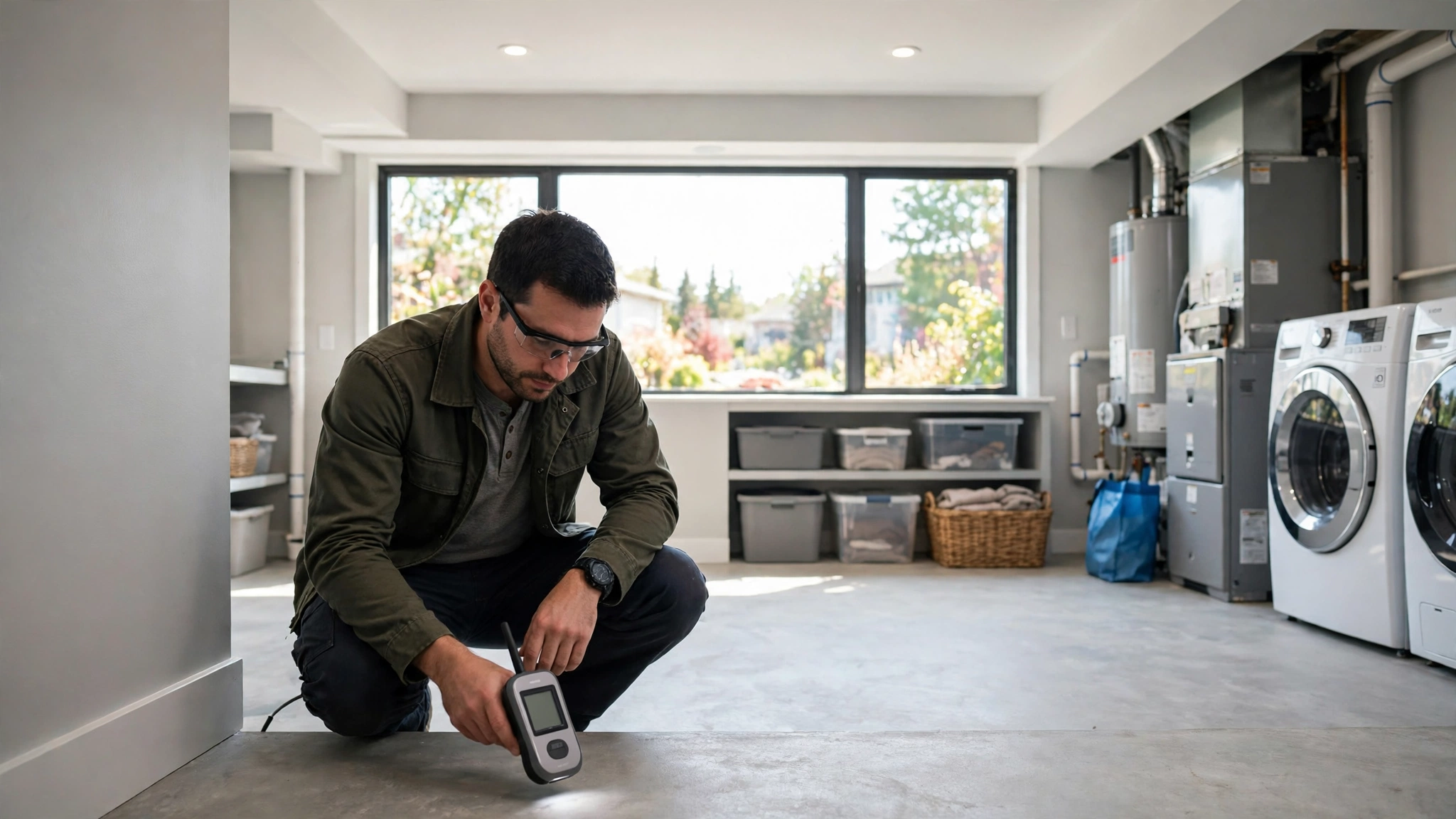
Environmental health research in Canada investigates how air, drinking water, soil and built environments contribute to exposure. This guide explains Canadian monitoring, laboratory quality and the limits of environmental risk claims.
Environmental health research in Canada
Environmental health research asks how conditions in air, water, soil, buildings and workplaces may influence human well-being. Canada’s geography creates a wide range of exposure settings, from dense urban neighbourhoods and agricultural areas to northern communities and coastal watersheds. A sound investigation begins by defining a hazard, a plausible exposure pathway and an outcome that can be measured reliably. It must also account for time, because a brief peak exposure differs from years of repeated contact. This guide examines the evidence behind environmental monitoring and public-health decisions, with attention to Canadian guidance. It does not assume that every detected substance creates a meaningful health risk. Instead, it explains how scientists evaluate concentration, duration, susceptibility and uncertainty before drawing conclusions.
Exposure is not the same as detection
Modern instruments can identify very small quantities of substances in environmental samples. Detection alone does not establish that people encountered the substance, absorbed it or experienced harm. Researchers distinguish hazard identification from exposure assessment and risk characterization. The route matters: inhalation, ingestion and skin contact do not necessarily produce equivalent doses. So do concentration, duration and frequency. A water sample collected upstream of a community may not represent tap water after treatment. An outdoor air reading may differ from what an individual breathes indoors. Good studies describe how environmental measurements connect to actual human exposure. Clear communication avoids turning a positive laboratory result into an unsupported diagnosis or guarantee of illness.
Outdoor air quality and fine particles
Outdoor air studies often examine fine particulate matter, ground-level ozone and other pollutants. Concentrations vary with traffic, industrial activity, weather and regional transport. A monitoring station can reveal trends, but its location may not capture conditions on every street. Researchers therefore use combinations of fixed monitors, models and sometimes personal devices. Each method has limitations involving calibration and spatial coverage. Health outcomes can also be influenced by smoking, occupation, housing and baseline medical conditions. Long-term cohort studies may identify associations, while shorter studies can investigate changes around specific events. Readers should look for the pollutant, measurement period, comparison population and uncertainty rather than relying on a broad claim that all air pollution has identical effects.
Wildfire smoke and seasonal variation
Wildfire smoke can affect Canadian communities far from the flames. Fine particles and other components move with changing atmospheric conditions, making exposure highly variable. Researchers should distinguish daily outdoor concentrations from indoor exposure, which depends on building ventilation, filtration and time spent inside. A short intense smoke episode and repeated seasonal exposure may pose different research questions. Studies that compare communities need to consider differences in age, health status, access to cooling and local monitoring. Public advice should follow current provincial or municipal air-quality alerts. Laboratory findings about a filter material do not establish the performance of every consumer device. Effective studies measure the actual exposure reduction achieved in realistic conditions.
Indoor air and ventilation
Indoor environmental quality is shaped by ventilation, moisture, combustion sources, cleaning products, building materials and occupant activities. Outdoor measurements cannot automatically represent indoor air. Researchers may use sensors, sampling pumps and building inspections, but devices require appropriate calibration and placement. A high reading in one room may not describe the entire building. Poor ventilation can interact with occupancy and pollutant sources, while increased outdoor-air exchange may have trade-offs during wildfire smoke events. Interventions should be evaluated for the specific hazard and setting. A product advertised as an air purifier is not evidence of broad protection without performance data. Public-health recommendations should emphasize validated methods, maintenance and the limitations of monitoring.
Radon testing and interpretation
Radon is a naturally occurring radioactive gas that can enter buildings from the ground. It cannot be detected by smell or sight, so measurement is necessary. Health Canada recommends testing homes and workplaces and identifies a Canadian guideline of 200 becquerels per cubic metre for indoor air. Results depend on the testing method, location and duration. A neighbouring home’s reading cannot establish the level in another building. Radon exposure is associated with increased lung cancer risk over time, making appropriate mitigation important when indicated. Research should distinguish indoor-air radon from radionuclides measured in drinking water. A test is informative only when conducted and interpreted according to reliable guidance, and remediation should be assessed with follow-up measurement.
Drinking-water quality frameworks
Canada’s drinking-water guidance addresses microbial, chemical, physical and radiological parameters. These categories require different sampling methods and interpretations. A guideline value is not a universal statement that any detectable amount is dangerous. Risk assessment considers health evidence, exposure assumptions and technical feasibility. Municipal treatment and distribution systems are monitored through provincial and local arrangements, while federal guidance provides a scientific foundation. Researchers should state whether samples were taken at the source, after treatment or at a consumer’s tap. The distinction can affect interpretation because treatment and distribution change water quality. Public communication should identify the relevant parameter and official advisory rather than recommend an improvised solution for every possible contaminant.
Private wells and household responsibility
Private wells create different monitoring responsibilities from municipal systems. Water chemistry can vary with geology, nearby activities, season and well construction. A test from several years ago may not describe current conditions, particularly after flooding or changes in the water system. Researchers need to document sampling procedures and distinguish naturally occurring constituents from potential contamination pathways. Testing should use appropriate accredited laboratory methods and follow provincial guidance. A household filtration device may address some substances while doing little for others, so treatment must match the measured concern. Boiling can help with certain microbiological risks when directed by authorities, but it does not remove all chemical contaminants. Evidence-based decisions begin with reliable identification of the problem.
Microbial water contamination
Microbial contamination research considers organisms or indicators that may be present in water. A positive indicator result can trigger action without identifying every pathogen involved. Sampling technique, storage time and laboratory processing affect reliability. Researchers should distinguish detection of genetic material from evidence of viable organisms where that distinction matters. Environmental findings cannot alone establish that an individual illness came from a particular water source. Outbreak investigations require clinical, epidemiological and environmental evidence. Water safety recommendations depend on the organism and contamination scenario, and local authorities may issue boil-water or do-not-consume advisories with different instructions. Studies should evaluate how quickly warnings reach households and whether people understand the required response.
Chemical contaminants in water
Chemical contaminants may originate from natural geology, agriculture, industry or aging infrastructure. Their significance depends on concentration, exposure route and duration. Researchers should avoid grouping all chemicals under one generic toxicity claim. For example, a substance that creates concern through long-term ingestion may require a different approach from one that poses an immediate inhalation hazard. Analytical methods have detection limits and potential interferences, so laboratory reports should include units and quality controls. Mixtures create additional scientific challenges because combined exposures may not be fully characterized by studying one compound at a time. Risk communication should distinguish confirmed measurements from hypotheses about health outcomes and should direct residents to authoritative guidance for their specific water supply.
Radiological parameters in drinking water
Health Canada’s 2025 radiological drinking-water guideline establishes screening criteria and maximum acceptable concentrations for selected naturally occurring radionuclides. The document explains that radionuclides can enter groundwater through contact with rock and soil, with levels varying by local geology. It also emphasizes that ingestion of radionuclides through drinking water is generally a small part of background radiation exposure for most Canadians. Radon in indoor air is a separate and more prominent concern. Researchers should not confuse becquerels per litre in water with becquerels per cubic metre in air. Screening results can determine whether more specific analyses are needed. Accurate interpretation requires the relevant guideline, units, sample context and a realistic exposure scenario.
Wastewater and community surveillance
Wastewater surveillance can provide community-level signals for selected biological or chemical targets. The method may complement clinical and environmental data, but it cannot automatically reveal the number of affected individuals. Flow rates, rainfall, industrial inputs, sample processing and the population served can change measured concentrations. Researchers should specify whether they are detecting viable organisms, genetic fragments or chemical markers. Comparisons across facilities need normalization and an understanding of local infrastructure. Small-area monitoring also raises privacy and stigma concerns. Wastewater data are most useful when they support questions that can be checked against other evidence. A changing signal is a reason to investigate, not a standalone diagnosis for an entire neighbourhood.
Soil exposure and land use
Soil can contain naturally occurring minerals, microorganisms and substances introduced through human activity. Exposure depends on land use, dust generation, gardening practices, food production and other pathways. A laboratory finding from one patch of soil cannot automatically represent an entire property. Researchers need representative sampling plans and clear information about depth, location and analytical methods. The same concentration may have different implications for an industrial site and a residential garden because contact patterns differ. Soil chemistry also affects the mobility and bioavailability of some substances. Good environmental assessments explain the assumptions behind their exposure models. Public communication should avoid suggesting that any detection proves harm or that all contaminated land can be managed with the same technique.
Food-chain pathways
Environmental substances can move through food systems, but the pathway from soil or water to a consumed food is not always straightforward. Uptake varies by crop, species, growing conditions and processing. Researchers should measure relevant food concentrations when possible rather than assume that environmental detections translate directly into dietary intake. Total exposure also depends on serving sizes and how often a food is consumed. Food monitoring programs can identify trends and support targeted interventions, but a single sample does not characterize every product in a market. Risk assessments need to consider both nutritional benefits and contaminant concerns without presenting false either-or choices. Evidence-based guidance should be grounded in measured intake and current Canadian food-safety information.
Occupational environmental exposures
Workers may encounter environmental agents at concentrations or frequencies different from those of the general public. Occupational research needs detailed task descriptions, protective measures, duration of exposure and reliable sampling. A job title alone is not an exposure measurement. Personal monitors may better characterize some conditions than a fixed station, but their accuracy and placement matter. Studies must account for the healthy-worker effect and other biases when comparing employed groups with the general population. Workplace standards and safety obligations can differ from community guidelines. Researchers should distinguish compliance monitoring from long-term health research. Practical prevention involves identifying hazards, applying appropriate controls and verifying that interventions reduce exposure under actual working conditions.
Children and exposure windows
Children can differ from adults in exposure patterns and physiological susceptibility. Activities such as playing close to the ground, along with differences in body size and developmental stage, can matter for certain hazards. Researchers should not assume that every environmental substance affects children in the same way. Study design must consider timing, including prenatal and early-life windows where scientifically relevant. Ethical safeguards are essential when collecting samples or health information from minors. Household income, housing quality and neighbourhood conditions may influence exposure and confound observed associations. Strong studies use appropriate age-specific measures and report uncertainty. Public guidance should avoid alarming families with unsupported claims while taking well-established environmental hazards seriously.
Northern and remote communities
Northern and remote communities face distinctive environmental monitoring challenges involving climate, infrastructure, geography and transport. Sampling and laboratory turnaround may be more difficult where communities are far from major facilities. A gap on a national exposure map may indicate insufficient data rather than an absence of hazards. Research should be designed with community participation and respect for Indigenous data governance. Local knowledge can help identify relevant environmental changes, but it should not be treated as interchangeable with a laboratory measurement. Investigators should explain the strengths and limits of each evidence source. Solutions developed for urban water systems or housing may not transfer directly to remote settings. Meaningful research addresses locally defined priorities and supports usable results.
Environmental justice and unequal burdens
Environmental health risks can be unevenly distributed across neighbourhoods and populations. Housing conditions, proximity to traffic, access to clean water and occupational patterns may contribute to differences in exposure. Researchers should examine these mechanisms rather than assume that all members of a demographic group have identical experiences. Geographic mapping can reveal potential disparities, but ecological comparisons do not establish individual exposure or causation. Community involvement can improve sampling locations and the relevance of outcomes. Studies should also account for the resources required to act on findings. Publishing a map without accessible explanations or practical support may have limited benefit. Environmental justice research is strongest when it combines sound measurement with transparent, equitable decision-making.
Biomonitoring and what it can show
Biomonitoring measures selected substances or their metabolites in biological samples such as blood or urine. It can indicate that exposure occurred, but the presence of a chemical does not by itself establish a health effect. Interpretation depends on the substance, its persistence, the timing of collection and the relationship between measured concentration and external exposure. A short-lived marker may reflect recent contact rather than a person’s long-term average. Researchers need validated laboratory methods, appropriate reference populations and clear communication of uncertainty. Biomonitoring can complement environmental sampling but cannot replace a complete exposure history. Scientific reports should distinguish population distributions from individual clinical thresholds and avoid using detectable amounts as proof of toxicity.
Study design and causal inference
Environmental epidemiology often relies on observational data because intentionally exposing people to hazards would be unethical. This makes causal inference challenging. Air pollution, income, occupation, smoking, housing and healthcare access may correlate with one another. Statistical adjustment can address some confounding but cannot guarantee that all alternative explanations have been eliminated. Longitudinal studies may improve understanding of timing, while natural experiments can examine changes following policies or infrastructure projects. Researchers should prespecify outcomes and report uncertainty intervals, missing data and sensitivity analyses. A statistically significant association does not automatically indicate a large individual risk. Responsible summaries distinguish the strength of evidence for different hazards rather than treating every environmental correlation as established causation.
Quality assurance in laboratories
Environmental measurements are only as useful as the methods used to obtain them. Laboratories should document sampling protocols, chain of custody, calibration, blanks, detection limits and relevant quality controls. Instruments may report results below reliable quantification limits, which should not be interpreted as precise concentrations. Different laboratories or assay versions can produce results that are not directly comparable. Field contamination and sample storage can also affect findings. Researchers should report units consistently and distinguish screening from confirmatory analysis. External proficiency testing and standardized methods can strengthen confidence. A polished chart cannot compensate for poorly characterized samples. Quality assurance is central to making environmental evidence useful for public-health decisions.
Risk communication and public decisions
Clear risk communication separates hazard, exposure, dose and demonstrated health outcomes. Authorities should explain what was measured, how it compares with relevant guidance and what actions are recommended. A result above a screening level may require more investigation rather than an immediate assumption of illness. Conversely, uncertainty should not be used to dismiss credible concerns. Messages must be accessible in language and format and should identify where updates will appear. Researchers can evaluate whether residents understand advice and can act on it. Public trust improves when limitations and changes in recommendations are explained openly. A useful environmental report offers context rather than an alarming number without units or a practical interpretation.
Climate change and combined exposures
Climate change can modify exposure patterns through wildfire smoke, extreme heat, flooding and changes in ecosystems. The resulting health effects depend on infrastructure, housing, occupation and access to services. Researchers should avoid attributing every individual weather event or illness to climate change without appropriate analysis. Long-term trends and models can identify plausible risks, but projections carry uncertainty. Combined exposures may matter: a heat event occurring during heavy smoke can complicate decisions about ventilation and outdoor activity. Studies should evaluate practical adaptation measures and their trade-offs. Canadian regional differences make one-size-fits-all conclusions especially unreliable. Strong research connects environmental measurements with realistic health outcomes and community conditions.
Research priorities and conclusion
Canada’s environmental health research priorities include stronger monitoring coverage, reliable exposure assessment, transparent laboratory methods and equitable access to information. Studies should ask questions that support decisions, such as whether a treatment system reduces a measured contaminant or whether an air-quality intervention lowers personal exposure. The most useful research distinguishes detection from dose and association from causation. Air, water, soil and indoor environments should be evaluated with methods suited to each pathway. Health Canada guidance provides a scientific reference point, while local authorities remain essential for situation-specific instructions. Responsible reporting avoids unsupported promises about supplements or laboratory research products. Better evidence helps communities make proportionate, informed decisions about environmental risks.
Frequently asked questions
Does detecting a chemical prove it is harmful?
No. Risk depends on exposure route, concentration, duration and the available health evidence.
How do Canadians assess radon in a home?
Health Canada recommends testing indoor air with an appropriate radon test and comparing results with Canadian guidance.
Are water and air radon measurements interchangeable?
No. They use different units and represent different exposure pathways.
Can boiling water remove all contaminants?
No. Boiling does not remove all chemical contaminants; follow local drinking-water advisories.
What makes an environmental study reliable?
Clear sampling methods, validated laboratory analysis, appropriate comparisons and transparent uncertainty are essential.
Official Canadian references
Health Canada: Radiological parameters in drinking water; Health Canada: Radon factsheet.
For laboratory research use only. Not for human consumption.