
Blog
Childhood Bone and Joint Health in Canada: Growth, Nutrition and Injury Prevention

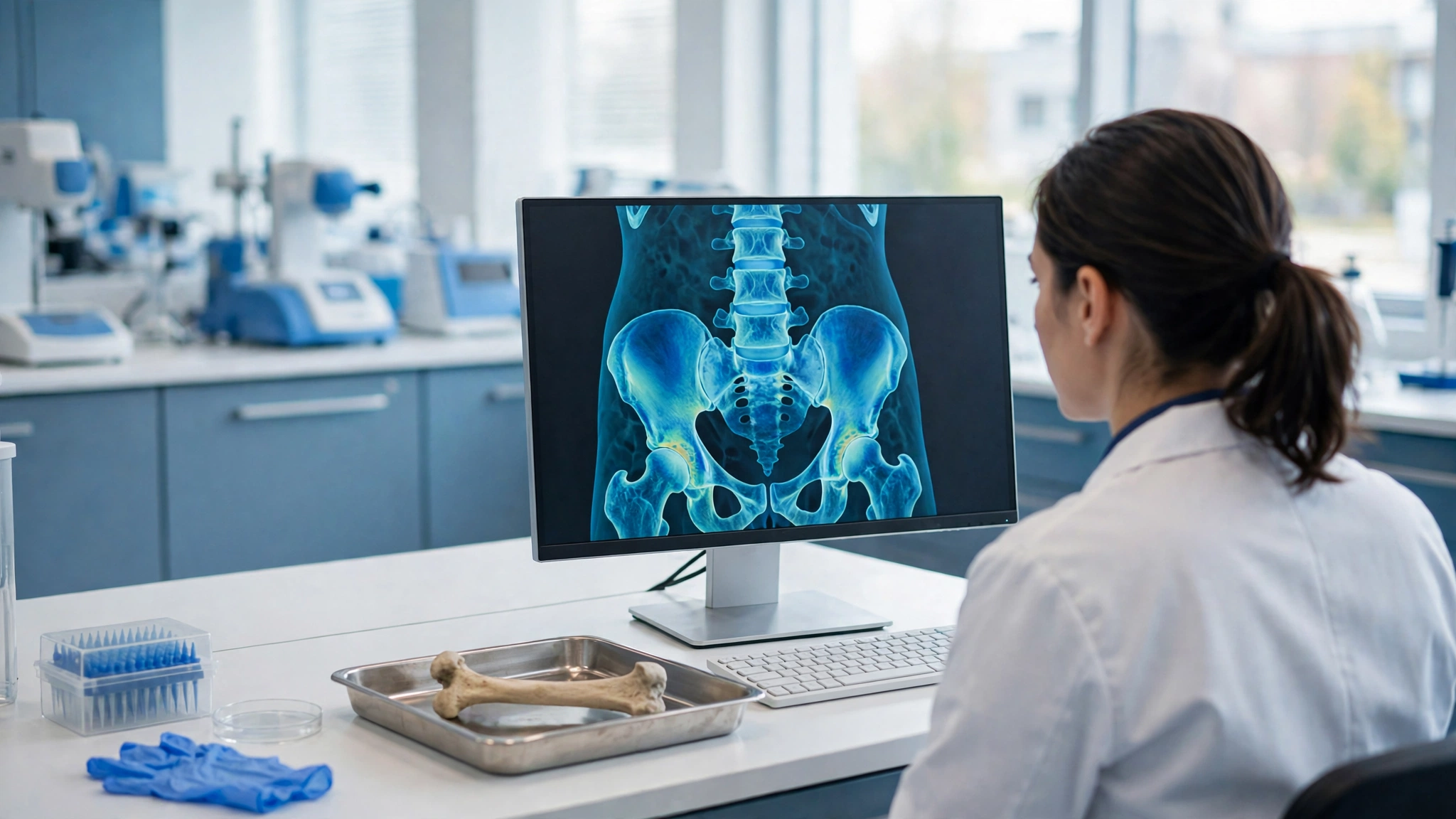
Childhood bone and joint health in Canada brings together evidence on growth, physical activity, fractures, sports injury and pediatric bone health. This October 19 research review highlights Canadian guidance and explains why developing skeletons require age-appropriate assessment.
Why childhood bone health matters
World Pediatric Bone and Joint Day on October 19 provides a timely opportunity to examine how Canadian children build strong skeletons and recover from injuries. Bone health is shaped by growth, nutrition, movement, chronic conditions and access to care. Unlike adults, children have developing growth plates and rapidly changing body proportions. This makes adult research an imperfect substitute for pediatric evidence. The Canadian Paediatric Society emphasizes early identification of bone-health risks, particularly among children with chronic illness. This review considers everyday prevention, sport participation, injury recognition and the quality of clinical evidence. It is educational rather than individualized medical advice. Persistent pain, deformity, limping or loss of function warrants assessment by an appropriate healthcare professional.
Bone development across childhood
Bone is living tissue that changes in size, architecture and mineral content during growth. Childhood and adolescence are important periods for accumulating bone mass, but the rate of development varies with maturation. Researchers must distinguish bone mineral content from density and skeletal geometry. An imaging value influenced by a child’s height cannot be interpreted using adult assumptions. Canadian pediatric guidance notes that peak bone mass is generally reached in early adulthood, making the growing years relevant to lifelong skeletal health. Longitudinal research can follow developmental trajectories more effectively than one-time comparisons. Strong studies consider genetics, puberty, nutrition, physical activity and underlying disease rather than treating a single scan as a complete measure of skeletal health.
Growth plates and injury vulnerability
Growth plates are cartilage regions that contribute to lengthening of bones. Their structure changes as children mature, and some injuries involve these regions rather than the ligaments typically injured in adults. Researchers evaluating growth-plate trauma need to document the injury location, force, age and skeletal maturity. An initial radiograph does not resolve every possible concern when symptoms persist. Appropriate clinical follow-up may be needed to identify growth disturbance over time. A classification of fracture anatomy can support communication but cannot replace individualized assessment. Public education should avoid implying that caregivers can determine injury severity from a photograph. Protecting normal development requires timely recognition and evidence-based management rather than untested recovery products.
Canadian childhood injury patterns
The Public Health Agency of Canada has analyzed injuries reported in the 2019 Canadian Health Survey on Children and Youth. That work examined fractures, head injuries and other serious injuries across age groups, illustrating that risk patterns vary with development and activity. Researchers should distinguish the frequency of an injury from its severity and long-term consequences. Survey estimates may be influenced by recall and whether families sought medical attention. Hospital records capture more serious events but miss many injuries treated elsewhere. Combining surveillance systems can improve understanding, provided definitions are comparable. Canadian injury prevention benefits from identifying mechanisms and circumstances rather than treating every injury as an unavoidable accident.
Physical activity and stronger bones
Weight-bearing movement and muscular activity provide signals that support normal bone development. Running, jumping, active play and age-appropriate sport can contribute, but exercise benefits do not justify excessive training. Canada’s public-health guidance encourages daily activity and regular muscle- and bone-strengthening movement for school-aged children. The appropriate activities depend on development, ability and health conditions. Researchers should measure actual participation and exposure instead of assuming all organized sport has the same effects. Injury prevention and enjoyment belong alongside bone measurements as outcomes. A program that improves fitness but drives children away from activity through pain or pressure may fail an important broader objective.
Outdoor play and balanced safety
The Canadian Paediatric Society distinguishes manageable developmental challenges from hidden hazards that children cannot reasonably identify. Outdoor play can help build movement skills, confidence and physical activity. An effective injury-prevention strategy does not eliminate every challenge or encourage unsafe conditions. Research should compare meaningful outcomes, including injuries, activity, confidence and participation. Supervision needs vary by age, experience and environment. A safe play space is not necessarily one with no climbing, running or exploration. Families and communities can improve equipment maintenance and remove serious hazards while preserving opportunities to move. This balanced perspective is especially relevant when discussing bone strength and childhood physical development.
Overuse injuries in organized sport
Repetitive loading can affect growing bones and tendon attachment sites, particularly when training intensity rises faster than recovery capacity. Youth hockey, gymnastics, running and throwing sports create different mechanical demands. Researchers should record weekly activity, recent workload changes, rest and symptoms rather than classify risk only by sport name. Persistent focal pain should not be dismissed as ordinary soreness. Injury studies must distinguish overuse conditions from acute fractures and inflammatory disorders. Prevention programs may involve training adjustments, coaching education and appropriate rehabilitation. Claims that a supplement or experimental peptide can prevent growth-related injuries require clinical evidence, not marketing anecdotes or extrapolation from adult athletes.
Early specialization and varied movement
Some young athletes focus on one competitive sport throughout much of the year. This may increase repeated loading of particular tissues while reducing movement variety and recovery time. However, risk depends on training intensity, maturation and individual circumstances. Researchers should define specialization consistently before comparing groups. Studies should also account for selection effects, because athletes in intensive programs may differ from recreational participants in many ways. A prevention strategy should preserve the social and physical benefits of sport. Encouraging varied activities and appropriate rest can be evaluated for effects on injury and long-term participation. The goal is sustainable movement, not a universal rule that every child must follow the same athletic schedule.
Acute fractures and medical assessment
A fall or collision may cause a fracture, joint injury or growth-plate problem. Severe pain, visible deformity, inability to use a limb or inability to bear weight calls for prompt professional evaluation. Clinicians combine examination, history and imaging where indicated. Researchers studying diagnostic accuracy must examine missed injuries as well as unnecessary tests. The presence or absence of swelling alone cannot determine whether a bone is fractured. Follow-up matters because some complications emerge during continued growth. Rehabilitation and return to sport depend on the specific injury. Families should not use online healing timelines as substitutes for the treating clinician’s guidance.
Fracture healing during growth
Children often have substantial healing and remodeling capacity, but recovery varies by bone, injury pattern, age and treatment. Researchers should distinguish radiographic union from pain relief and restored function. A child may feel better before an injury can tolerate full sport demands. Conversely, some imaging changes can persist after clinical recovery. Studies need appropriate follow-up to identify growth disturbance, stiffness or repeat injury. Treatment comparisons should report adverse events and whether families could follow the recommended plan. There is no evidence-based rationale for substituting research-use compounds for standard pediatric fracture care. The appropriate approach is diagnosis, stabilization when needed, monitored recovery and individualized return to activity.
Calcium and everyday nutrition
Calcium is an important component of bone mineral, but intake requirements differ by age. Researchers should evaluate overall diet and health rather than assume every child requires supplementation. Food access, dietary restrictions and gastrointestinal conditions may influence nutritional adequacy. A dietary questionnaire can estimate intake but may not reflect habitual consumption accurately. Bone outcomes also depend on activity, puberty and underlying illness. Trials should measure clinically meaningful results and monitor possible harms. Canadian pediatric guidance emphasizes identifying children at risk instead of ordering broad laboratory panels for everyone. Families with concerns about restricted diets, growth or recurrent fractures should seek qualified advice rather than adopt high-dose supplement routines from social media.
Vitamin D and Canadian conditions
Vitamin D supports calcium metabolism and normal bone health. In Canada, seasonal sunlight variation and dietary patterns make this an important topic, but the need for supplementation depends on age and clinical circumstances. Researchers must distinguish preventing deficiency from treating a diagnosed bone disorder. A higher blood vitamin D concentration does not automatically prove fewer fractures or better athletic performance. Study designs should account for baseline status, diet, season and relevant health conditions. Excessive intake can be harmful, so dosing should follow recognized guidance. The Canadian Paediatric Society identifies nutrition and vitamin D as relevant to bone health in children with chronic conditions, while recommending targeted assessment rather than indiscriminate testing.
Protein and adequate energy intake
Protein contributes to tissue growth and repair, but children’s needs must be understood within a balanced dietary pattern. Total energy intake, calcium, vitamin D and overall health interact with physical development. Young athletes may experience demanding schedules, yet participation alone does not establish a need for specialized protein powders. Research should distinguish dietary adequacy from performance marketing. Food records have measurement error, and growth itself can influence apparent nutrient requirements. Restrictive eating can undermine health and participation. Clinicians may evaluate nutrition when growth falters, fractures recur or medical conditions affect absorption. Educational messages should support healthy development rather than encourage body-modification goals or unapproved performance-enhancing products in minors.
Chronic illness and skeletal risk
Children with chronic inflammatory disorders, reduced mobility, delayed puberty or malabsorption may have additional bone-health risks. Certain medications, including prolonged glucocorticoid therapy, can also affect skeletal development. The Canadian Paediatric Society recommends a targeted approach to evaluating risk factors and referring children with suspected pediatric osteoporosis for specialist assessment. A diagnosis cannot be made from bone-density values alone using adult criteria. Researchers should report underlying conditions and treatments because these factors can confound comparisons. Interventions need to be assessed for benefits and burdens in the specific population studied. Families should not independently stop prescribed medication because of general concerns about bone health; clinical decisions require a balanced review.
Pediatric osteoporosis is not adult osteoporosis
Pediatric osteoporosis requires age-appropriate assessment of fracture history, vertebral fractures and bone measurements in context. Adult thresholds are not suitable for children whose skeletons are still growing. Height, pubertal stage and underlying medical conditions can influence imaging results. Researchers should distinguish primary skeletal disorders from bone fragility associated with chronic illness or treatment. Referral to a pediatric bone-health specialist may be necessary when clinical features suggest a significant disorder. The purpose of testing is to clarify risk and guide care, not to label every child with a low numerical measurement as osteoporotic. Studies should report clinically meaningful fracture outcomes and monitor development over time.
Bone-density imaging and interpretation
Dual-energy X-ray absorptiometry can contribute to pediatric bone-health evaluation in selected circumstances. Its results depend on technique, body size and appropriate reference data. Researchers must specify whether measurements are adjusted for growth and whether the population matches the reference group. Repeated scans should have a clear clinical purpose, considering potential benefits and the need to minimize unnecessary procedures. A scan does not capture every feature of bone quality or predict all future fractures. Clinical history and physical examination remain essential. Research quality improves when imaging methods are standardized and interpretations are made by clinicians experienced in pediatric assessment.
Knee pain in growing athletes
Knee discomfort may arise from tendon attachment sites, growth-related conditions, acute ligament injuries or other disorders. These causes are not interchangeable. Researchers should record the location of pain, activity history, maturation stage and functional limitations. A short-lived response to rest or pain relief does not necessarily identify the diagnosis. Persistent swelling, limping, instability or inability to participate deserves professional assessment. Studies of exercise-based rehabilitation should report adherence and meaningful functional outcomes rather than only short-term pain scores. Caregivers should be cautious about claims that one stretching routine or supplement treats every form of childhood knee pain.
Hip pain and limping
Hip problems in children can present differently from those in adults. Pain may be felt in the thigh or knee, making assessment more complicated. Some causes of limping require urgent attention, particularly when a child cannot bear weight or has systemic symptoms. Researchers examining delayed diagnosis should evaluate access to care and whether clinical warning signs were recognized. Imaging findings must be interpreted with examination and history. A normal-looking gait during a brief video cannot reliably exclude significant disease. Families should seek qualified evaluation for persistent or concerning symptoms. Pediatric research aims to improve early recognition and long-term function rather than encourage remote self-diagnosis.
Spinal development and scoliosis
Scoliosis research considers spinal curvature, skeletal maturity, progression and the effects of interventions. A child’s posture alone does not establish a diagnosis. Studies may measure radiographic changes, but pain, daily function and quality of life also matter. Remaining growth can influence monitoring and treatment decisions. Researchers should compare groups with similar baseline severity and maturation. Claims that supplements, research peptides or a single exercise program reverse structural spinal deformity require rigorous evidence. Treatment options are individualized and may include observation, bracing or specialist care. Public education should encourage appropriate assessment without implying that every asymmetry signals a serious disorder.
Concussion and musculoskeletal sport safety
Although concussion is a brain injury rather than a bone disorder, it often occurs in the same sport settings as fractures and joint trauma. The Canadian Paediatric Society recommends immediate removal from play after a suspected sport-related concussion and medical assessment. Return-to-learn and return-to-play processes require appropriate supervision. Researchers evaluating sport safety should avoid focusing solely on fractures while ignoring head injuries. Policies, coaching practices and rule enforcement can influence multiple injury types. Injury prevention must balance participation with avoidance of serious hazards. A child who feels eager to resume sport is not necessarily medically ready for full contact or collision activity.
Rehabilitation and return to participation
Recovery should be assessed through function, symptoms, healing and readiness rather than a fixed number of days alone. Pediatric rehabilitation plans may need adjustment for school schedules, growth and access to services. Researchers should document whether children complete prescribed therapy and whether outcomes persist after returning to activity. Families may face transportation, cost or scheduling barriers that affect adherence. Reinjury and long-term growth outcomes deserve attention. Clinicians determine when activity is safe after significant injuries. Evidence-based rehabilitation supports movement and confidence without promising accelerated healing through unapproved compounds or extrapolated adult protocols.
Equity and access across Canada
Canadian families do not all have equal access to pediatric specialists, rehabilitation or organized sport. Geography, income, transportation and service availability can influence the timing of assessment and recovery. Researchers should distinguish clinical differences from barriers created by the healthcare environment. A national average may conceal important regional variation. Remote and northern communities may require different approaches to imaging, follow-up and rehabilitation. Community involvement can help identify practical barriers and design relevant interventions. Equity research should measure whether changes improve timely access and functional outcomes, not merely whether new services are announced. Children benefit when prevention and care are accessible as well as scientifically sound.
Studying injuries ethically in children
Pediatric research requires careful attention to consent, age-appropriate assent, privacy and proportionality of risk. Investigators should avoid unnecessary testing and explain uncertainty in terms families can understand. Recruitment through teams or schools must not create pressure to participate. A study of a new rehabilitation approach should measure harms as well as possible benefits. Long-term follow-up may be important when growth plates or skeletal development are involved. Researchers should report which age groups and maturation stages were studied so findings are not generalized beyond the evidence. Scientific progress should protect children rather than expose them to poorly justified experimentation.
Biomarkers and the limits of laboratory evidence
Bone turnover markers, inflammatory signals and molecular pathways can generate useful hypotheses about growth and repair. Yet many laboratory values change naturally during childhood and puberty. A marker associated with healing does not necessarily predict safe return to sport or future fracture risk. Studies should use validated assays, suitable reference ranges and clinically meaningful outcomes. Cell experiments and animal studies cannot establish pediatric safety or efficacy for a commercial product. Research-use peptides are not authorized substitutes for medical treatment merely because they appear in mechanistic studies. Families should be wary of claims that a laboratory result proves accelerated healing in children.
Conclusion and research priorities
Childhood bone and joint health in Canada depends on healthy growth, adequate nutrition, movement, timely injury recognition and access to appropriate care. Research should account for skeletal maturity, chronic conditions and social circumstances rather than apply adult assumptions. The Canadian Paediatric Society’s guidance supports targeted assessment of children at risk and balanced injury prevention that preserves opportunities for active play. Better surveillance, longer follow-up and meaningful functional outcomes can improve care. World Pediatric Bone and Joint Day reminds researchers and families that children’s bodies are still developing. Evidence-based prevention and clinical evaluation are more reliable than unsupported claims about supplements or experimental recovery compounds.
Frequently asked questions
Why do children need different fracture assessments from adults?
Their growth plates and changing skeletal size require age-appropriate examination, imaging and follow-up.
Does physical activity help childhood bone health?
Appropriate weight-bearing movement supports skeletal development, while excessive loading can cause injury.
Are calcium and vitamin D supplements necessary for every child?
No. Needs depend on diet, age, health and clinical circumstances; targeted guidance is appropriate.
What are warning signs after a sports injury?
Severe pain, deformity, inability to bear weight, persistent swelling or loss of function warrant medical assessment.
Can research peptides be used to heal pediatric injuries?
No. Laboratory and animal findings do not establish pediatric safety or clinical effectiveness.
Canadian research and clinical references
Canadian Paediatric Society: Evaluating and optimizing bone health in children; Canadian Paediatric Society: Children and youth injury prevention in Canada; Public Health Agency of Canada: Childhood injuries survey.
For laboratory research use only. Not for human consumption.