
How to Spot Fake SARMS Like a Pro?

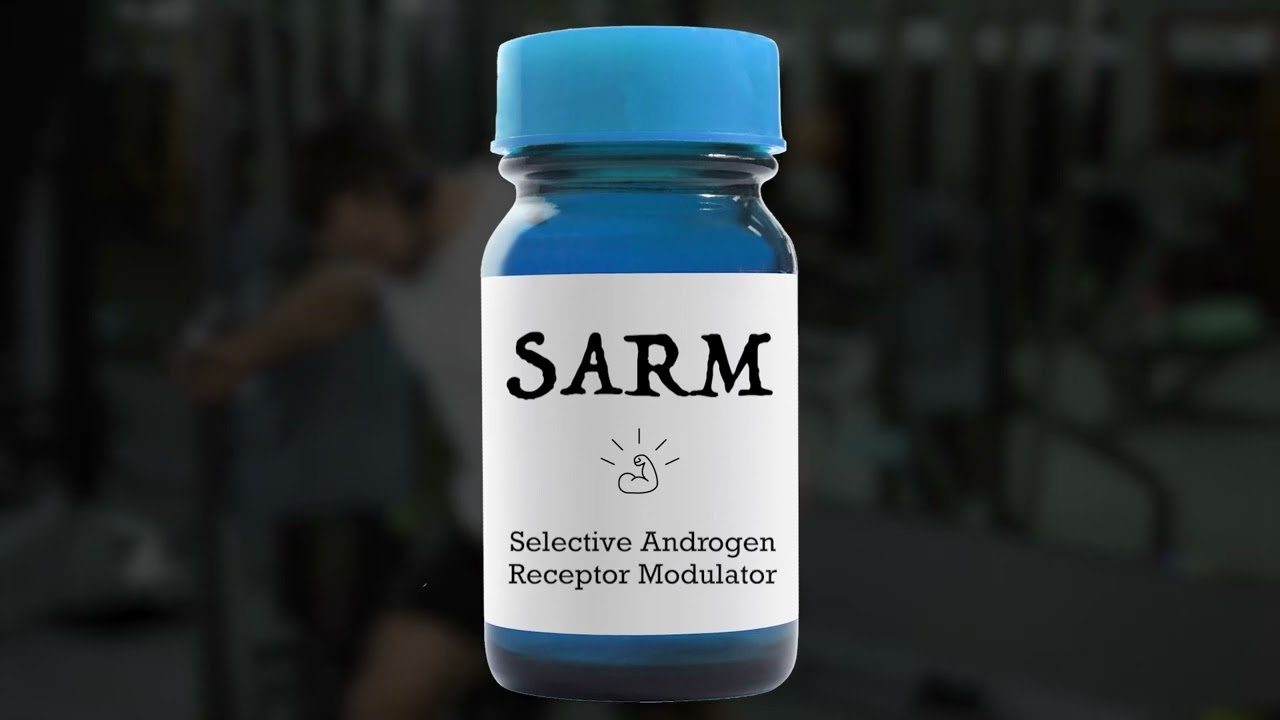
In today’s fitness industry, where the pursuit of peak performance drives countless individuals to explore supplements like SARMS (Selective Androgen Receptor Modulators), distinguishing between genuine and counterfeit products has never been more crucial. With the market flooded by a mix of authentic and dubious options, the unassuming gym-goer may unknowingly fall prey to cleverly marketed fakes. The danger isn’t just about wasting money; these fake SARMS can potentially have adverse health effects and derail your fitness journey entirely. Understanding how to spot fake SARMS is not just a skill—it’s a safeguard for your health and hard-earned progress.
Imagine investing time and dedication into your workout regimen only to find that the supplement you’ve trusted is actually a cleverly disguised imposter. This scenario is more common than many would like to admit, yet it’s something that can be avoided with a bit of knowledge and vigilance. As you navigate through this essential guide, you’ll uncover the telltale signs of counterfeit SARMS and arm yourself with the tools needed to protect your fitness investment. Whether you’re a seasoned athlete or a newbie in the fitness world, ensuring the authenticity of your supplements is key to achieving your goals safely and effectively.
Understanding SARMS: What Are They and How Do They Work?
SARMS (Selective Androgen Receptor Modulators) are a class of therapeutic compounds designed to mimic the effects of anabolic steroids without the broad range of side effects. Unlike traditional anabolic agents that bind indiscriminately to androgen receptors in various tissues, SARMS selectively target specific receptor subtypes in muscle and bone. This targeted approach aims to promote lean muscle growth, enhance strength, and improve bone density, all while minimizing risks such as liver damage, prostate enlargement, and cardiovascular complications. For athletes and fitness enthusiasts, SARMS represent a promising alternative to conventional steroids, offering a more refined mechanism of action.
At the molecular level, SARMS work by binding to androgen receptors in muscle or bone cells. Once attached, they influence gene expression pathways that regulate protein synthesis, muscle regeneration, and bone formation. Because they avoid heavy interaction with androgen receptors in reproductive organs and the liver, SARMS typically exhibit a more favorable safety profile. However, the rapid rise in demand has attracted counterfeiters, making it vital for consumers to learn how to spot fake SARMS. Understanding the science behind these compounds is the first step toward identifying genuine products that will deliver the intended performance benefits without compromising your health.
The Risks of Fake SARMS: Impact on Health and Fitness Goals
Counterfeit SARMS pose significant threats that extend beyond wasted investment. Fake products may contain harmful fillers, illegal steroids, or inactive ingredients, all of which can derail your fitness progress and jeopardize your health. Ingesting an unregulated substance could result in liver toxicity, hormonal imbalances, or even acute allergic reactions. Worse still, some fake SARMS are laced with undisclosed pharmaceuticals, triggering side effects you never signed up for—such as mood swings, acne flare-ups, or cardiovascular strain.
From a performance standpoint, using counterfeit SARMS undermines your training consistency and goal attainment. When you rely on deceptive compounds, you might experience unpredictable results, plateaus, or setbacks that hamper your progress. Imagine putting weeks of effort into sculpting your physique, only to discover you’ve been taking an inert or harmful blend masquerading as a legitimate supplement. Recognizing how to spot fake SARMS is essential to safeguarding both your health and hard-earned gains. By ensuring you’re using a verified product, you maintain the integrity of your fitness regimen and protect yourself from unnecessary risks.
Identifying Authenticity: Key Markers of Genuine SARMS Products
Knowing which hallmarks correspond with genuine SARMS is crucial for any consumer. Authentic products often display consistent labeling standards, batch numbers, and tamper-evident seals. Pay close attention to holographic stickers or QR codes that link back to the manufacturer’s database. These features, when properly executed, are designed to thwart counterfeiters and provide an audit trail for product origin.
Packaging quality is another telling indicator. Genuine SARMS manufacturers invest in high-grade materials and professional printing to reinforce credibility. If you notice blurry text, spelling errors, or flimsy seals, these could be red flags of a counterfeit supply chain. Learning how to spot fake SARMS by examining subtle packaging nuances can save you from potential health hazards and ensure you’re getting precisely what you paid for.
Reading Labels and Certifications: Ensuring Quality Assurance
When evaluating a SARMS product, scrutinize every detail on the label. Authentic brands will list the precise chemical name, concentration per serving (usually in milligrams), recommended dosage instructions, storage guidelines, and a clear expiration date. If the label lacks any of these critical elements, exercise caution before purchase. How to spot fake SARMS often boils down to spotting missing or vague information that legitimate companies are legally obligated to provide.
Certifications and third-party testing reports further bolster product credibility. Look for seals from ISO-accredited labs or certificates of analysis (COA) that verify purity and potency. Many reputable SARMS manufacturers publish their COAs online, so cross-reference the batch number on the label with the lab’s official report. This due diligence not only confirms the product’s authenticity but also assures you that what’s on the label truly reflects what’s inside the bottle.
Researching Suppliers: How to Verify Reputable Sources
Choosing where to buy your SARMS is just as important as selecting the right compound. Start by investigating the supplier’s history and reputation within the fitness community. Established vendors often have a physical address, clear contact information, and a transparent return policy. If these details are obscured or missing, consider it a potential red flag.
Cross-check supplier credibility through professional forums and independent review sites. Pay attention to any reports of shipping delays, poor customer service, or discrepancies in product quality. A trustworthy supplier will welcome inquiries, provide detailed product data, and maintain active communication channels. Learning how to spot fake SARMS includes vetting both the product and the people behind it.
Customer Reviews and Feedback: Leveraging User Experiences
One of the most reliable strategies for distinguishing genuine SARMS involves tapping into user feedback. Search for comprehensive, unbiased reviews that detail the unboxing experience, lab testing photos, and side-by-side comparisons with known authentic samples. Be aware, though, that some reviews may be fabricated or incentivized. Look for patterns in user experiences rather than isolated testimonials.
Forums, social media fitness groups, and independent blogs can provide invaluable insights into a supplier’s consistency and product quality. Pay particular attention to comments about shipping times, packaging integrity, and the presence (or absence) of batch numbers and COAs. By synthesizing feedback from multiple sources, you’ll develop a clearer understanding of which vendors deliver on their promises and which ones leave customers questioning their investment.
Price Discrepancies: Recognizing Red Flags in Pricing
When a deal looks too good to be true, it usually is. SARMS formulas demand high-quality raw materials and rigorous lab testing, which translate to moderate price points. If you encounter a supplier offering potent SARMS at rock-bottom prices, remain skeptical. Extremely low prices may indicate dilution, contamination, or complete mislabeling.
Conversely, exorbitant price tags don’t always guarantee authenticity. Some counterfeiters inflate prices to feign premium quality. The key is understanding the market average for each type of SARM and comparing it across multiple reputable sources. Sudden, unexplained price variances between vendors should prompt further investigation. Learning how to spot fake SARMS by assessing fair market value helps you strike a balance between cost and credibility.
Consulting Experts: Seeking Professional Advice and Guidance
Before introducing any new supplement into your regimen, consider consulting with a qualified healthcare professional or an experienced sports nutritionist. These experts can offer personalized guidance about dosage, potential drug interactions, and reliable suppliers. Their insights can be especially valuable if you have preexisting health conditions or are on concurrent medications.
Additionally, some compounding pharmacies and specialized clinics conduct in-house testing for SARMS purity. These facilities can analyze a sample you already own, verifying its chemical composition against known standards. Working with professionals not only enhances safety but also deepens your understanding of how to spot fake SARMS in the future.
Reporting Suspected Fake SARMS: Taking Action Against Counterfeits
If you believe you’ve encountered a counterfeit SARMS product, take immediate action to protect others in the fitness community. Report your findings to relevant regulatory bodies such as the FDA or your country’s equivalent agency. Many organizations maintain hotlines or online portals specifically for reporting suspected supplement fraud.
In addition, share your experience on public forums and review sites to warn potential buyers. Provide clear details such as batch numbers, supplier contact information, and photographs of the packaging. The more data you supply, the easier it becomes for authorities and fellow consumers to identify and eliminate rogue operators. By taking these steps, you not only safeguard your own health but also contribute to a cleaner, more trustworthy SARMS market.
Conclusion: Safeguarding Your Health and Fitness Progress
How to spot fake SARMS is more than just a skill—it’s a critical safeguard for your health, finances, and athletic ambitions. By understanding the science behind SARMS, scrutinizing labels, researching suppliers, and leveraging expert advice, you can confidently distinguish genuine products from harmful imitations.
Armed with the insights from this guide, you’re now better equipped to navigate the complex world of SARMS. Stay vigilant, prioritize quality over cost, and always verify before you buy—your body and your progress depend on it.