
5 Best Peptides for Rapid Injury Recovery in 2026

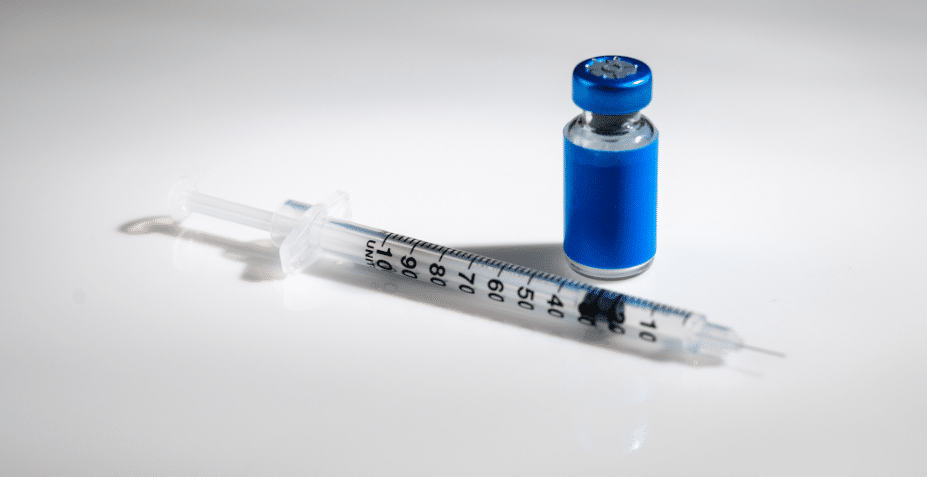
You’re an athlete, a dancer, a weekend warrior, or simply someone who pushes your body. You understand that setbacks are inevitable. Injuries, whether acute tears or chronic overuse irritations, can derail your progress and impact your quality of life. In 2026, the landscape of therapeutic interventions is expanding, and peptides are emerging as a significant tool in the arsenal for accelerating tissue repair and mitigating the effects of injury. This guide will explore five of the most promising peptide options for rapid recovery, focusing on their mechanisms of action, typical applications, and considerations for their use.
Peptides are short chains of amino acids, the building blocks of proteins. They are naturally occurring in your body and play crucial roles in a vast array of physiological processes, including cell signaling, hormone regulation, and immune function. In the context of injury recovery, certain exogenously administered peptides can act as potent signaling molecules, guiding and enhancing the body’s inherent healing cascade. Their small size allows them to readily interact with cellular receptors, influencing pathways involved in inflammation reduction, collagen synthesis, cell proliferation, and blood vessel formation.
The Biological Basis of Peptide Action
Your body’s repair processes are complex and multi-staged. Following an injury, an inflammatory response is initiated, which, while necessary for clearing damaged tissue, can also contribute to further damage if not properly managed. Peptides can modulate this inflammatory response. Subsequently, tissue regeneration or repair begins, involving the proliferation of cells like fibroblasts and osteoblasts, and the laying down of extracellular matrix components such as collagen. Peptides can stimulate these processes, leading to more efficient and robust healing. Furthermore, the vascularization of the injured site is critical for delivering nutrients and oxygen necessary for healing, and some peptides support the formation of new blood vessels.
Differentiating Peptides from Other Therapies
It’s important to differentiate peptides from other recovery aids. Unlike broad-spectrum anti-inflammatories that can suppress beneficial aspects of the inflammatory process, some peptides are more targeted in their actions. They don’t simply mask pain; they aim to influence the underlying biological mechanisms of healing. Compared to growth factors, which are often larger proteins, peptides can sometimes offer advantages in terms of stability and delivery. However, it’s crucial to recognize that peptide therapy is not a standalone miracle cure. It is best employed as part of a comprehensive recovery plan that includes rest, proper nutrition, physical therapy, and other evidence-based modalities.
In 2026, the exploration of innovative recovery methods has led to a surge in interest regarding peptides, particularly for athletes and individuals recovering from injuries. A related article titled “5 Best Peptides for Rapid Injury Recovery” delves into the most effective peptides currently available, highlighting their benefits and applications in enhancing healing processes. For those seeking to learn more about these cutting-edge recovery solutions, you can read the full article at 5 Best Peptides for Rapid Injury Recovery.
BPC-157: The Gut-Healing and Tissue-Regenerating Star

One of the most widely discussed and researched peptides for injury recovery is Body Protection Compound-157 (BPC-157). This synthetically derived peptide is a stabilized fragment of a larger protein found in human gastric juice. Its remarkable ability to promote healing across various tissues has made it a focal point for researchers and those seeking accelerated recovery.
Mechanism of Action: A Multi-Faceted Approach
BPC-157’s efficacy lies in its diverse mechanisms. It appears to act as a potent anti-inflammatory agent, reducing the damaging effects of excessive inflammation at injured sites. Crucially, it is also known to promote angiogenesis, the formation of new blood vessels, which is essential for delivering oxygen and nutrients to damaged tissues and removing waste products. Studies suggest BPC-157 enhances the expression of growth factors, including vascular endothelial growth factor (VEGF), which is key to this angiogenic process. Furthermore, it has been observed to accelerate the repair of tendons, ligaments, muscles, and even bone.
Applications in Tendon and Ligament Injuries
Tendon and ligament injuries are notoriously slow to heal due to their limited blood supply. BPC-157 has shown promise in animal studies for accelerating the healing of these connective tissues. It appears to stimulate fibroblasts, the cells responsible for producing collagen, the primary structural protein in tendons and ligaments. This can lead to stronger, more organized collagen formation, potentially reducing the risk of re-injury.
Potential for Muscle and Bone Repair
Beyond soft tissues, BPC-157 has also demonstrated effects on muscle and bone healing. In models of muscle damage, it has been shown to reduce inflammation and promote regeneration. For bone fractures, research indicates BPC-157 can expedite the healing process, potentially leading to faster union of bone fragments. Its ability to influence various cell types involved in bone remodeling suggests a broad impact on skeletal repair.
TB-500 (Thymosin Beta-4): The Migration and Repair Maestro
Thymosin Beta-4 (TB-500) is a synthetic version of a naturally occurring peptide found in most human cells. It plays a vital role in actin polymerization, a fundamental process in cell migration, wound healing, and inflammation modulation. Its impact on cell mobility makes it particularly relevant for repairing tissues where cells need to migrate to the injury site.
Orchestrating Cell Migration and Tissue Repair
TB-500’s primary mechanism involves its influence on actin, a protein crucial for cell structure and movement. By promoting actin polymerization, TB-500 enhances the ability of cells, such as keratinocytes, fibroblasts, and endothelial cells, to migrate to damaged areas. This directed movement is critical for closing wounds, repairing tissues, and forming new blood vessels.
Broad Spectrum Anti-Inflammatory Effects
In addition to facilitating cell migration, TB-500 exhibits significant anti-inflammatory properties. It can suppress the activity of pro-inflammatory cytokines, thereby reducing tissue damage and promoting a more favorable environment for healing. This dual action of promoting repair while mitigating excessive inflammation makes it a potent tool.
Applications in Chronic Wounds and Burns
The ability of TB-500 to promote cell migration aligns well with its application in chronic wound healing and burn recovery. By encouraging the migration of skin cells and fibroblasts to the wound bed, it can accelerate the closure of persistent ulcers and significantly improve the healing rate of burns, leading to reduced scarring and better functional outcomes.
CJC-1295: Growth Hormone Regulation for Enhanced Repair
CJC-1295 is a synthetic peptide hormone analogue that stimulates the release of growth hormone (GH) and insulin-like growth factor 1 (IGF-1) from the pituitary gland. These hormones are fundamental to cellular growth, repair, and regeneration throughout the body.
Stimulating GH and IGF-1 Release
CJC-1295, particularly in its DAC (Drug Affinity Complex) form, has a prolonged half-life, leading to a sustained increase in GH and IGF-1 levels. GH is vital for protein synthesis, cell regeneration, and fat metabolism, while IGF-1 plays a key role in promoting the growth and repair of tissues, including muscles, bones, and cartilage.
Benefits for Muscle and Connective Tissue Health
The elevated levels of GH and IGF-1 triggered by CJC-1295 can significantly benefit muscle recovery and the health of connective tissues. GH promotes protein synthesis, which is essential for repairing damaged muscle fibers. IGF-1, in turn, aids in the proliferation of fibroblasts and chondrocytes, supporting the repair of tendons, ligaments, and cartilage, common sites of injury.
Considerations for Joint Health and Bone Density
Beyond muscle, the growth-promoting effects of CJC-1295 extend to joint and bone health. By stimulating chondrocyte activity, it can contribute to the repair and regeneration of cartilage, potentially alleviating joint pain and improving function. Furthermore, GH and IGF-1 play roles in bone mineralization and remodeling, which can be beneficial for accelerating bone healing after fractures and improving bone density.
In the quest for optimal recovery from injuries, many athletes and fitness enthusiasts are turning to peptides for their potential benefits. A related article that delves into the comparison of different performance-enhancing substances is available at SARM vs Prohormones, which explores the effectiveness and safety of various options. Understanding the distinctions between these substances can provide valuable insights for those considering peptides for rapid injury recovery in 2026.
GHRP-2: A Potent Growth Hormone Releaser
| Peptide Name | Benefits | Recommended Dosage | Source |
|---|---|---|---|
| BPC-157 | Accelerates tissue healing, reduces inflammation | 250-500 mcg per day | Natural peptide found in human gastric juice |
| TB-500 | Promotes muscle and tissue regeneration | 2.5-15 mg per week | Synthetic peptide |
| IGF-1 | Stimulates growth of new muscle and bone cells | 20-50 mcg per day | Naturally produced in the liver |
| GHK-Cu | Enhances wound healing, reduces scar tissue | 2-4 mg per week | Synthetic peptide |
| Thymosin Beta-4 | Supports tissue repair and regeneration | 2-6 mg per week | Naturally produced in the thymus gland |
Growth Hormone Releasing Peptide-2 (GHRP-2) is another potent synthetic peptide that stimulates the release of growth hormone. While it functions similarly to CJC-1295 in this regard, it employs a different signaling pathway, often leading to a more acute and significant surge in GH.
Direct Stimulation of the Pituitary Gland
GHRP-2 acts directly on the pituitary gland to enhance the secretion of growth hormone. This stimulation is independent of the hypothalamic hormone GHRH, offering a direct route to boosting GH levels. The resulting increase in GH can trigger a cascade of beneficial effects for tissue repair and recovery.
Impact on Protein Synthesis and Cell Turnover
The increased GH levels induced by GHRP-2 profoundly impact cellular processes. It promotes protein synthesis, the fundamental process by which tissues are built and repaired. This heightened cellular turnover and regeneration are crucial for recovering from muscle damage, ligament sprains, and other soft tissue injuries.
Synergistic Effects with CJC-1295
It is common to see GHRP-2 used in conjunction with CJC-1295. This combination leverages different stimulation pathways for growth hormone release, potentially leading to more robust and sustained increases in GH and consequently, IGF-1. This synergistic approach can optimize the body’s anabolic and regenerative responses to injury.
MK-677 (Ibutamoren): An Oral Alternative for GH Stimulation
Nutraceutical research has led to the development of compounds that mimic the effects of peptides with greater oral bioavailability. Ibutamoren (MK-677) is a non-peptide orally active growth hormone secretagogue that has gained attention for its ability to increase GH and IGF-1 levels.
Mimicking Ghrelin and Stimulating GH Release
MK-677 functions by mimicking the action of ghrelin, a hormone produced in the stomach. It binds to ghrelin receptors in the brain, stimulating the release of growth hormone from the pituitary gland. Unlike peptide secretagogues, MK-677 can be taken orally, offering a more convenient administration route.
Promoting Muscle Growth and Bone Health
The sustained increase in GH and IGF-1 facilitated by MK-677 contributes to enhanced protein synthesis and cell proliferation, which are critical for muscle growth and repair. This can aid in recovering from muscle strains and tears. Furthermore, its effects on bone metabolism can support bone healing and density, making it relevant for skeletal recovery.
Considerations for Metabolic Effects and Sleep Quality
Beyond its direct impact on GH release, MK-677 has also been associated with effects on metabolism, including increased appetite and a potential for improved sleep quality. These secondary effects can indirectly support recovery by contributing to overall well-being and nutrient availability. However, careful monitoring of these metabolic shifts is advisable.
Important Considerations and Responsible Use
While the exploration of peptides for injury recovery is exciting, it is paramount to approach their use with caution, responsibility, and a strong emphasis on evidence-based practices. The field of peptide research is evolving, and not all peptides have undergone extensive human clinical trials for all potential applications.
Research and Scientific Evidence
It is crucial to stay informed about the latest scientific research regarding any peptide you consider. Prioritize peptides with a growing body of peer-reviewed studies demonstrating efficacy and safety in relevant contexts. Be wary of anecdotal evidence or marketing claims that lack robust scientific backing.
Consulting Healthcare Professionals
Before incorporating any peptide into your recovery regimen, you must consult with a qualified healthcare professional. This may include a physician specializing in sports medicine, regenerative medicine, or endocrinology. They can assess your individual needs, medical history, and potential contraindications. They can also guide you on appropriate dosages, administration methods, and monitor for any adverse effects.
Legality and Sourcing
The legal status of many peptides varies by region and their intended use. Many are not approved by regulatory bodies for human consumption or medical treatment outside of controlled research settings. It is essential to understand the legal implications in your jurisdiction. Furthermore, sourcing peptides from reputable and verified suppliers is critical to ensure purity, potency, and avoid counterfeit or contaminated products.
Integration into a Comprehensive Recovery Plan
Peptides should be viewed as a supplementary tool within a holistic recovery strategy. They are not a substitute for fundamental recovery principles. A comprehensive plan should always include adequate rest, proper nutrition to support tissue repair and combat inflammation, appropriate physical therapy to regain strength and function, and potentially other evidence-based modalities. The synergistic effect of combining peptides with these established practices often yields the best outcomes.
FAQs
What are peptides?
Peptides are short chains of amino acids that are the building blocks of proteins in the body. They play a crucial role in various physiological functions, including tissue repair and regeneration.
How do peptides help in injury recovery?
Peptides can help in injury recovery by promoting collagen synthesis, increasing blood flow to the injured area, reducing inflammation, and enhancing the body’s natural healing processes. They can also aid in the repair of damaged tissues and muscles.
What are the best peptides for rapid injury recovery?
The best peptides for rapid injury recovery in 2026 include BPC-157, TB-500, DSIP, Thymosin Beta-4, and Melanotan II. These peptides have shown promising results in accelerating the healing of various injuries, such as muscle strains, ligament tears, and tendon injuries.
Are peptides safe for injury recovery?
When used under the supervision of a healthcare professional and in the recommended dosage, peptides are generally considered safe for injury recovery. However, it is important to consult with a healthcare provider before using peptides, especially if you have any underlying medical conditions.
How can peptides be administered for injury recovery?
Peptides for injury recovery can be administered through various methods, including subcutaneous injections, intramuscular injections, or transdermal application. The specific administration method may vary depending on the type of peptide and the nature of the injury.