How to Verify Peptides and SARMs are 99% Pure?


In the performance-enhancing industry, “Trust, but verify” isn’t just a catchy phrase—it is a survival strategy. As we navigate 2026, the market for SARMs and peptides in Canada has reached a level of saturation where marketing claims of “99% Purity” are essentially white noise. So, How to Verify Peptides and SARMs are 99% Pure? – Every vendor makes the claim, but only a fraction can actually prove it.
For the serious athlete, the difference between a 99% pure compound and a 80% pure compound (laden with synthesis leftovers) isn’t just a matter of “lost gains.” It is a matter of unpredictable side effects, systemic inflammation, and potential long-term toxicity.
This final installment of our guide provides a technical masterclass on how to read, interpret, and verify Certificates of Analysis (COA). By the end of this article, you will know exactly how to distinguish a world-class laboratory report from a “Photoshopped” fake.
How to Verify Peptides and SARMs are 99% Pure?
To verify a research chemical, a laboratory must answer two fundamental questions:
- Identity: Is this substance actually what the label says it is?
- Purity: How much of the “other stuff” is in the vial?
HPLC (High-Performance Liquid Chromatography)
HPLC is the industry standard for determining purity. Think of an HPLC machine as a high-tech filter. The lab dissolves the sample and pushes it through a “column” at extreme pressure. Different molecules move through the column at different speeds (retention times).
[Image: An HPLC chromatogram showing a single dominant peak representing 99%+ purity]
When you look at a chromatogram (the graph in a lab report), you want to see one massive, sharp spike. This represents your target compound. Small “blips” on the baseline represent impurities. The “Purity %” is calculated by comparing the area under the main peak to the total area of all peaks.
MS (Mass Spectrometry)
While HPLC tells you how pure a substance is, it doesn’t necessarily prove what it is. Mass Spectrometry solves this by weighing the molecules. Every compound has a specific “molecular weight.”
- Example: If you are testing BPC-157, the MS report should show a peak at exactly 1419.5 Da (Daltons).
- If the weight is off, the substance is either a different peptide entirely or a poorly synthesized analog.
Purity vs. Net Peptide Content: The Common Misconception
This is where 90% of buyers get confused. You might see a lab report claiming 99.2% Purity, yet the “Net Peptide Content” is only 80%.
Does this mean you were scammed? No.
- HPLC Purity measures the percentage of the peptide that is the correct sequence. It ignores the “non-peptide” elements like water (moisture) and salts (like Acetate or TFA) used to stabilize the powder.
- Net Peptide Content measures the actual weight of the peptide molecules relative to the total weight of the powder in the vial.
In 2026, reputable vendors like Bodytech Pharma are transparent about both. Knowing the net content is crucial for precise dosing; if a 5mg vial has 80% net content, you actually have 4mg of active peptide.
How to Spot a “Fake” or Altered Lab Report?
As detection technology improves, so does the “craftsmanship” of unscrupulous vendors. Here is your checklist for spotting a fraudulent COA:
I. The “Generic” Header
If the report doesn’t clearly list a recognized, third-party laboratory (e.g., Janoshik, MZ Biolabs, or SGT), be wary. Reports generated “in-house” by the vendor are essentially useless, as they lack independent oversight.
II. Missing Batch/Lot Numbers
Every COA must be tied to a specific Batch Number. This number should also be printed on the vial or bottle you receive. If the vendor provides a 2-year-old report for a product they are selling today, it is irrelevant.
A COA is a snapshot of one specific “cook,” not a lifetime guarantee for the brand.
III. Inconsistent Metadata
In the digital age, fakes are often made by taking a legitimate report from a competitor and changing the name and date.
- Pro-Tip: Check the fonts. If the “Date” or “Product Name” looks slightly different in resolution or alignment than the rest of the text, it’s likely a copy-paste job.
IV. Unverifiable Verification Codes
Most top-tier labs now include a QR code or a unique Report ID on the COA. You should be able to go directly to the lab’s official website, enter that ID, and see the exact same report on their server. If the link is broken or the lab “doesn’t offer that service,” walk away.
Why 99% Purity is the “Line in the Sand”?
You might wonder: “Is 95% purity really that bad?”
In the context of research chemicals, 5% impurities is massive. Those impurities are often “truncated peptides” (broken chains) or leftover reagents from the synthesis process (like TFA or heavy metals). These contaminants are often the true cause of the “flu-like symptoms,” extreme lethargy, or injection site rashes that people mistakenly attribute to the peptide itself.
In 2026, the manufacturing capabilities exist to reach 98% to 99.5% consistently. Settling for less is an unnecessary risk to your health and your research data.
The E-E-A-T Factor: Transparency as a Business Model
The era of the “blind buy” is over. Google’s latest search algorithms and the fitness community at large now demand E-E-A-T (Experience, Expertise, Authoritativeness, and Trustworthiness).
A vendor that hides their lab reports or makes you “email to request them” is failing the trust test. Transparency should be proactive. A leader in the Canadian market, Bodytech Pharma, sets the standard by ensuring that every product category is backed by verifiable, recent, and independent third-party testing.
When you buy from a source that prioritizes these reports, you aren’t just buying a compound; you are buying peace of mind. You know that your RAD-140 isn’t actually cheaper Ostarine, and your BPC-157 is exactly 1419.5 Daltons of healing potential.
Final Checklist Before You Buy
Before you enter your credit card or E-transfer details, run this 30-second audit:
- Is there a COA link on the product page?
- Is the report less than 12 months old?
- Does it show an HPLC chromatogram (the graph) and not just a text summary?
- Can you verify the report ID on the lab’s independent website?
- Does the vendor ship domestically within Canada to ensure the product doesn’t degrade in customs?
Helpful External Resources & References:
- How to Read an HPLC Chromatogram (Waters Corp): A technical guide on understanding the peaks and baselines of lab reports.
- Peptide Quality and Purity Standards (American Peptide Society): Professional standards for synthetic peptide purity.
- Third-Party Testing Verification (Janoshik Analysis): An example of a real-world verification portal used by top-tier labs.
The quality of your results is determined by the purity of your compounds.
View Lab-Verified Peptides and SARMs at Bodytech Pharma Canada
Related Posts

Best SARMS for Healing Joints and Tendons?

CJC-1295 vs. Ipamorelin: Understanding the Difference in GH Release?
Why BPC-157 and TB-500 are the Ultimate Recovery Duo?

SARMS vs Prohormones: Which Packs the Most Powerful Punch
Let's delve into the dynamic world of SARMS vs. Prohormones by exploring their individual strengths, potential pitfalls, and the science backing each. Whether you're a seasoned athlete or just beginning your fitness journey, understanding the distinct mechanisms and results of these compounds can illuminate the path forward. Armed with this knowledge, you can make informed decisions that align with your health priorities and desired outcomes, empowering you to achieve unparalleled performance in the gym and beyond.
Ostarine vs RAD140: Which SARM Reigns Supreme
Imagine achieving the muscle gains of your dreams without sacrificing your health or breaking the bank. With Ostarine and RAD-140, this vision feels tantalizingly within reach. Both SARMs promise impressive results, but the choice between them hinges on various factors including your fitness goals, dosage preferences, and tolerance for potential side effects. As we unravel the unique benefits and challenges posed by each, you'll discover insights that could help steer your fitness journey in a direction that aligns perfectly with your aspirations. So, let's delve into the fascinating world of SARMs and find out which one could potentially be your ultimate ally.

Best Time to Start Your First SARMS Cycle Explored
Delving into the world of SARMS can be both exhilarating and intimidating. With promises of enhanced muscle growth, increased endurance, and accelerated fat loss, it's no wonder the allure is hard to resist. But before diving headfirst into this transformative experience, understanding the optimal timing could be the key difference between groundbreaking results and mere mediocrity. Within these lines, we'll explore not just the season or month that could maximize your gains, but the personal conditions and readiness required to make your first cycle truly impactful. Whether you're a seasoned athlete or a newcomer to fitness, knowing when to start can set the stage for your remarkable transformation.

Dispelling SARMS Myths: Separating Fact from Fiction
With a surge in chatter across online forums and gym locker rooms, it's crucial to dissect fact from fiction. Many believe SARMs are a quick fix with miraculous results, while others warn of untold risks lurking beneath the surface. By embarking on this journey to dispel common SARMS myths, we aim to illuminate the actual science behind these compounds, navigating through exaggerated promises and unfounded fears. Whether you're considering SARMs for the first time or simply seeking the truth amid the noise, this exploration will provide you with clarity and confidence in understanding what SARMs can, and cannot, do.
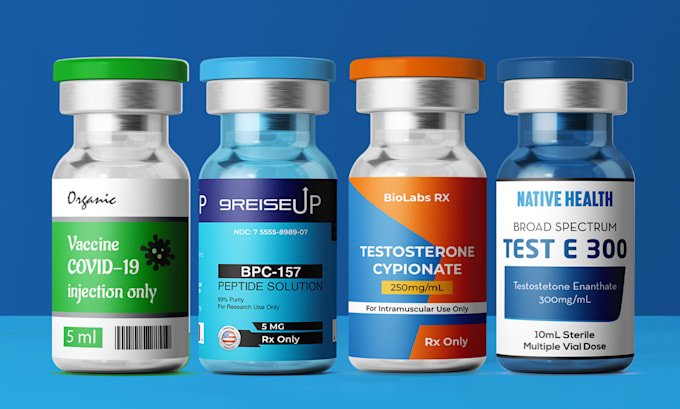
SARMS and Peptides: Revolutionizing Fitness Through Science
Picture this: you're at the gym, grinding through another intense workout session, yearning for results that reflect your hard work and discipline. That's where the magic of SARMS and Peptides comes into play. For those who have ever felt stuck in a fitness plateau or frustrated with the slow pace of progress, these compounds present a scientifically-backed solution. By tapping into cutting-edge research, fitness aficionados worldwide are now beginning to uncover the potential of SARMS and Peptides to break barriers and redefine their physical limits. As we delve deeper into this blog post, prepare to discover the science, benefits, and considerations that make these compounds an exciting frontier in fitness innovation.