
Best Time to Start Your First SARMS Cycle Explored


In the quest for peak physical performance, many individuals find themselves standing at a crossroads, debating the opportune moment to embark on their first SARMS cycle. Imagine harnessing the full potential of your body’s capabilities, and unveiling a physique that mirrors your highest aspirations. This isn’t merely a dream; it’s an achievable reality, provided you choose the best time to start your first SARMS cycle. Timing, as with most things in life, plays a monumental role in determining the success of your fitness journey.
Delving into the world of SARMS can be both exhilarating and intimidating. With promises of enhanced muscle growth, increased endurance, and accelerated fat loss, it’s no wonder the allure is hard to resist. But before diving headfirst into this transformative experience, understanding the optimal timing could be the key difference between groundbreaking results and mere mediocrity. Within these lines, we’ll explore not just the season or month that could maximize your gains, but the personal conditions and readiness required to make your first cycle truly impactful. Whether you’re a seasoned athlete or a newcomer to fitness, knowing when to start can set the stage for your remarkable transformation.
Importance of Timing in SARMS Cycles
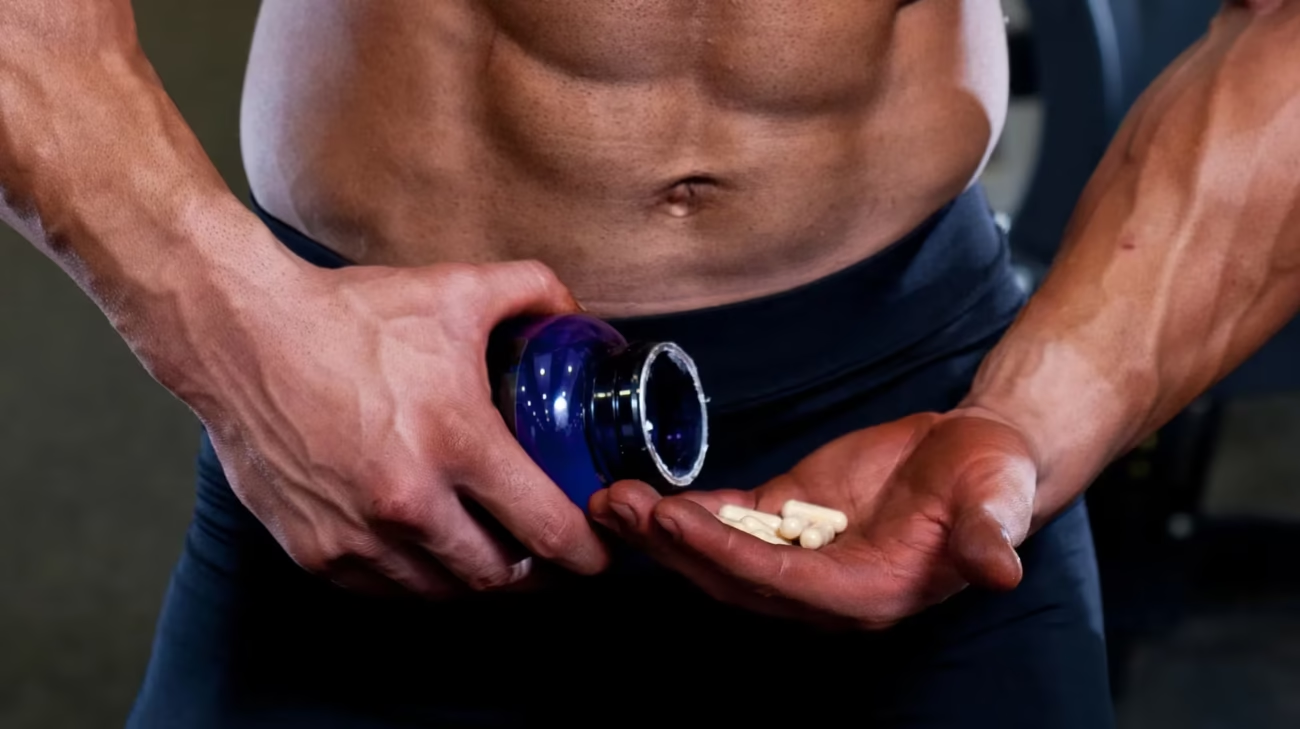
The success of any SARMS cycle hinges significantly on timing. Unlike traditional anabolic steroids, SARMS interact selectively with androgen receptors, and their efficacy can be influenced by your hormonal baseline, stress levels, and training calendar. Initiating at a suboptimal moment—when your cortisol is elevated, or your body is recovering from an injury—can blunt the intended anabolic effects, leading to wasted resources and underwhelming results.
Moreover, the body’s ability to adapt to new stimuli is not uniform throughout the year. Training phases, caloric intake, and even sleep quality fluctuate with seasonal and personal factors, all of which can affect how your body responds to SARMS. By aligning your cycle with a period of relative hormonal stability and peak training intensity, you set the stage for maximum lean muscle gains, improved endurance, and accelerated fat loss. In essence, understanding and respecting timing is not an afterthought; it’s the cornerstone of effective SARMS supplementation.
Assessing Personal Readiness and Fitness Goals
Before you can pinpoint the Best Time to Start Your First SARMS Cycle, an honest assessment of your current physical and mental readiness is essential. This goes beyond asking whether you “feel” strong enough. Evaluate your training consistency over the past six months, your nutrition adherence, sleep patterns, and injury history. A solid foundation of disciplined weight training and a clean diet will amplify the benefits SARMS can offer.
Equally important is setting clear, measurable goals. Are you aiming to break a personal deadlift record? Prepare for a bodybuilding show? Or simply lean out for summer? Your objectives will shape the choice of SARMS compound, dosage, and cycle length. Mapping your ambitions against your present condition helps ensure that when you take the plunge, you’re doing so with purpose rather than on a whim. This deliberate approach lays the groundwork for a transformative first cycle.
Understanding the Seasonal Impact on SARMS Cycles
Seasonal changes influence more than just your wardrobe; they affect training intensity, dietary adherence, and overall recovery. Cooler months often facilitate bulking phases thanks to hearty meals and less outdoor activity, while warmer seasons tend to favor cutting efforts.
Recognizing how seasons align with your training calendar can maximize SARMS results. Whether you choose to bulk during winter or shred during summer, aligning your cycle to seasonal habits ensures consistency in nutrition, sleep, and workouts, creating an ideal environment for SARMS to work.
Choosing the Best Month to Initiate Your SARMS Cycle
Selecting the optimal month to begin your SARMS journey requires balancing personal life events, training schedules, and seasonal factors. For many, late fall or early winter offers the perfect window: reduced outdoor commitments, a natural inclination toward bulking, and holidays that can accommodate extra rest days.
Alternatively, if your primary goal is to unveil a leaner physique for beach season or a spring competition, consider initiating your cycle in late winter or early spring. This timing allows you to run a full 8–12 week SARMS protocol, followed by post-cycle therapy (PCT) and a final four-week cutting push just as warmer weather arrives. By strategically aligning months with your objectives and lifestyle, you ensure that each phase of your cycle—from ramp-up to recovery—receives the attention it deserves.
Incorporating SARMS Cycle into Your Training Schedule
Integrating SARMS into an already structured training program involves more than simply popping a pill before the gym. First, synchronize your cycle start with the beginning of a new training block—a hypertrophy, strength, or endurance phase. This alignment allows you to clearly track performance improvements and adjust volume or intensity as your body adapts to the compound’s effects.
Next, plan deload weeks strategically. While SARMS can enhance recovery, pushing too hard without periodic rest can lead to overtraining. Include a light week every 4–6 weeks, and reduce joint-impact exercises or heavy compounds during these intervals. By weaving your cycle seamlessly into training phases, you’ll not only safeguard long-term progress but also maximize the synergistic benefits of SARMS and structured workouts.
Monitoring Progress and Adjusting Dosages Accordingly
Consistent tracking is critical during your first SARMS cycle. Begin by taking baseline measurements—weight, body fat percentage, strength metrics, and even blood panels if possible. Document these figures weekly to observe trends and pinpoint when peak effects occur.
If gains stall around week 6 or 8, consider making small dosage adjustments—no more than 10–15% increases—to reignite progress. Conversely, if you experience undue side effects such as excessive water retention or mood swings, scale back by a similar margin. Always prioritize gradual modifications and consult with a qualified healthcare professional. A data-driven approach ensures you harness the full potential of SARMS while minimizing risks.
Optimizing Recovery and Post-Cycle Therapy
Recovery is often overlooked, yet it’s the backbone of any successful SARMS cycle. Adequate sleep, nutrient timing, and active rest days are essential to capitalize on enhanced protein synthesis and muscle repair.
Once your cycle concludes, post-cycle therapy (PCT) helps restore natural hormone production. Common PCT protocols involve selective estrogen receptor modulators (SERMs) like Nolvadex or Clomid, typically spanning 4–6 weeks. Incorporate liver support supplements, continue monitoring blood work, and gradually return to natural training intensity. By prioritizing recovery and a structured PCT, you safeguard long-term health and preserve the gains you’ve fought to earn.
Evaluating Results and Planning for Future Cycles
After completing PCT and allowing hormone levels to stabilize, take a comprehensive look at your outcomes. Compare your end-of-cycle measurements to baseline data, and note improvements in strength, endurance, and body composition. Identify which aspects of your protocol—compound choice, dosage, training split—yielded the greatest dividends.
Armed with these insights, you can plan subsequent cycles more effectively. Perhaps you’ll switch from a bulking-focused SARM like RAD-140 to a cutting agent such as Ostarine, or adjust the cycle length to avoid plateaus. Continuous evaluation fosters a cycle structure that evolves with your goals, ensuring each iteration surpasses the last.
Expert Tips for Enhancing SARMS Cycle Efficacy
1. Prioritize Nutrition Timing: Consume protein-rich meals every 3–4 hours to maintain an anabolic state. Carbohydrate timing around workouts can further boost glycogen replenishment and training intensity.
2. Stay Hydrated and Supplement Smart: Adequate water intake supports metabolic processes and joint health. Include omega-3s, vitamin D, and a high-quality multivitamin to fill micronutrient gaps, enhancing recovery.
3. Leverage Periodization: Alternate between high-volume hypertrophy phases and low-rep strength blocks during your cycle. Periodization prevents stagnation and aligns with SARMS’ peak efficacy windows.
4. Monitor Hormonal Markers: If available, track testosterone, estrogen, and liver enzymes every 4–6 weeks. Early detection of imbalances allows proactive adjustments, minimizing side effects.
5. Build a Support Network: Partner with a coach or experienced peer for cycle planning and accountability. Shared knowledge accelerates learning curves and reduces trial-and-error pitfalls.
Conclusion: Embracing Your SARMS Journey to Unlock Your Potential
Embarking on your first SARMS cycle is an empowering decision—one that demands thoughtful timing, disciplined preparation, and meticulous monitoring. By choosing the best time to start your first SARMS cycle, aligning it with your goals and lifestyle, and committing to recovery and evaluation, you set the stage for remarkable progress.
Your SARMS journey is more than just a supplement protocol; it’s a strategic partnership between science, personal discipline, and timing. Embrace this synergy, and you’ll unlock the full potential of your performance, physique, and long-term wellbeing.
Related Posts

Best SARMS for Healing Joints and Tendons?

Why BPC-157 and TB-500 are the Ultimate Recovery Duo?

How To prevent Hair Loss on Cycle in 2026?
SARMS vs Prohormones: Which Packs the Most Powerful Punch
Let's delve into the dynamic world of SARMS vs. Prohormones by exploring their individual strengths, potential pitfalls, and the science backing each. Whether you're a seasoned athlete or just beginning your fitness journey, understanding the distinct mechanisms and results of these compounds can illuminate the path forward. Armed with this knowledge, you can make informed decisions that align with your health priorities and desired outcomes, empowering you to achieve unparalleled performance in the gym and beyond.

Ostarine vs RAD140: Which SARM Reigns Supreme
Imagine achieving the muscle gains of your dreams without sacrificing your health or breaking the bank. With Ostarine and RAD-140, this vision feels tantalizingly within reach. Both SARMs promise impressive results, but the choice between them hinges on various factors including your fitness goals, dosage preferences, and tolerance for potential side effects. As we unravel the unique benefits and challenges posed by each, you'll discover insights that could help steer your fitness journey in a direction that aligns perfectly with your aspirations. So, let's delve into the fascinating world of SARMs and find out which one could potentially be your ultimate ally.

The History of SARMS: From Medical Research to Fitness
The history of SARMS is a tale rich with intrigue—a journey through early pharmaceutical research labs, espionage-like scientific rivalries, and groundbreaking discoveries. From their initial development aimed at treatments for muscle-wasting diseases to their controversial status in sports and bodybuilding, each chapter of this narrative adds depth to our understanding of these compounds. Join us as we delve into this extraordinary saga, shedding light on the milestones and turning points that have shaped the SARMS landscape as we know it today.

SARMS and Peptides: Revolutionizing Fitness Through Science
Picture this: you're at the gym, grinding through another intense workout session, yearning for results that reflect your hard work and discipline. That's where the magic of SARMS and Peptides comes into play. For those who have ever felt stuck in a fitness plateau or frustrated with the slow pace of progress, these compounds present a scientifically-backed solution. By tapping into cutting-edge research, fitness aficionados worldwide are now beginning to uncover the potential of SARMS and Peptides to break barriers and redefine their physical limits. As we delve deeper into this blog post, prepare to discover the science, benefits, and considerations that make these compounds an exciting frontier in fitness innovation.