CJC-1295 vs. Ipamorelin: Understanding the Difference in GH Release?


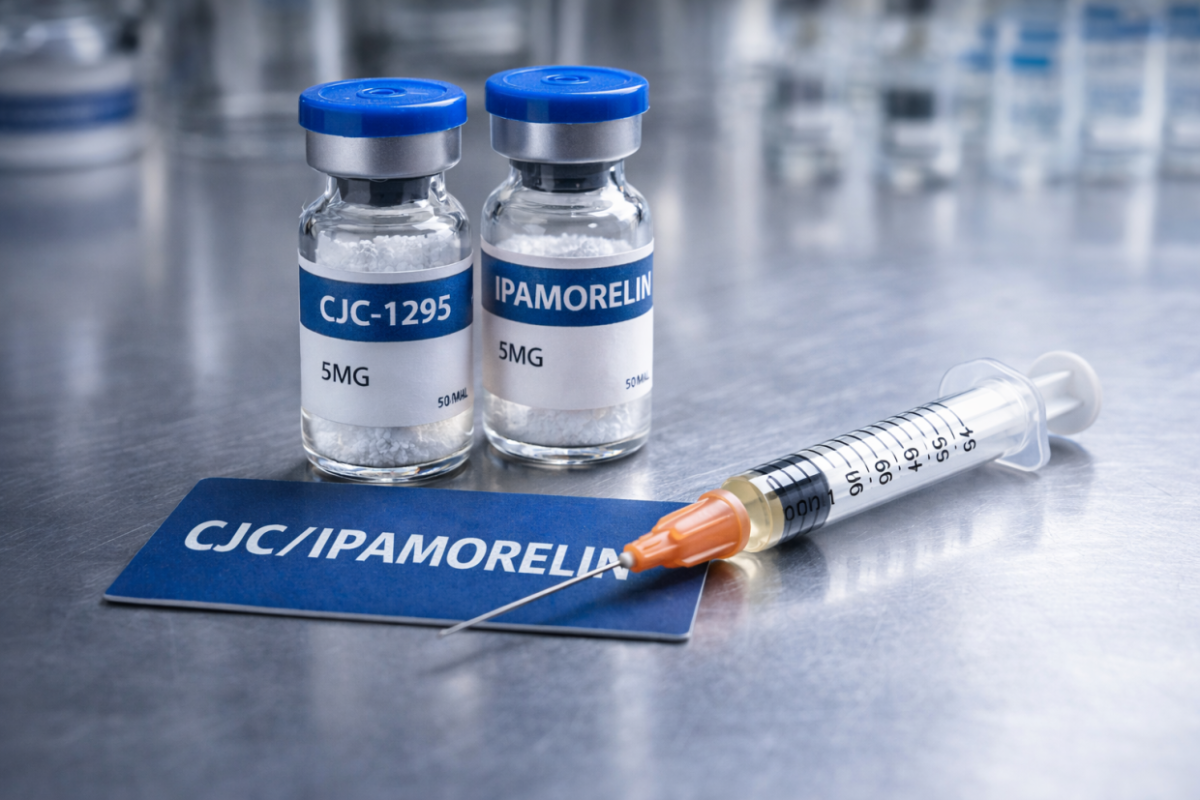
You’re navigating the complex world of peptides designed to stimulate growth hormone (GH) release, and two names frequently surface: CJC-1295 and Ipamorelin. While both are recognized for their ability to enhance endogenous GH production, your understanding of their nuances is crucial for making informed decisions. This article will dissect the mechanisms, applications, and potential implications of each, helping you distinguish between these potent compounds.
To appreciate the differences between CJC-1295 and Ipamorelin, you must first grasp their shared target: the pituitary gland. This small, pea-sized organ at the base of your brain is responsible for secreting a multitude of hormones, including growth hormone. Both peptides act as secretagogues, meaning they stimulate the pituitary to release GH already stored within it. However, their pathways to achieving this differ significantly.
CJC-1295: The GHRH Analog
You can think of CJC-1295 as a mimic of growth hormone-releasing hormone (GHRH). GHRH is a naturally occurring peptide produced in your hypothalamus that signals the pituitary gland to release GH.
- Mechanism of Action: CJC-1295 directly binds to the GHRH receptors on the somatotroph cells within your pituitary. This binding initiates a cascade of intracellular events that culminates in the secretion of stored GH. Effectively, you are telling your pituitary to release more GH, much like your body’s natural GHRH would.
- DAC vs. Non-DAC: You will encounter two primary forms of CJC-1295: CJC-1295 without DAC (referred to as Mod GRF 1-29) and CJC-1295 with DAC (Drug Affinity Complex).
- Mod GRF 1-29 (CJC-1295 without DAC): This version has a very short half-life, typically around 30 minutes. To achieve sustained GH release, you would need frequent injections, often multiple times a day. Its rapid clearance means you have more control over the immediate pulse of GH.
- CJC-1295 with DAC: The “DAC” in this peptide indicates that it’s conjugated to a lysyl linker, which allows it to bind to albumin in your bloodstream. This binding significantly extends its half-life to several days, sometimes up to a week. This means fewer injections are required, offering convenience, but also a more constant, albeit potentially less physiological, release of GH.
Ipamorelin: The Ghrelin Mimic
In contrast to CJC-1295, Ipamorelin operates through a different pathway, mimicking the actions of ghrelin, often called the “hunger hormone.”
- Mechanism of Action: Ipamorelin is a selective growth hormone secretagogue (GHS) that primarily binds to ghrelin receptors in the pituitary gland. This binding stimulates GH release in a pulsatile manner, mimicking the body’s natural release patterns.
- Selectivity: A key distinction of Ipamorelin is its high selectivity for GH release. Unlike some other GHS peptides, Ipamorelin generally does not significantly increase prolactin or cortisol levels. This is an important consideration for you, as elevated levels of these hormones can have undesirable side effects.
In exploring the differences between CJC-1295 and Ipamorelin in terms of growth hormone release, it can be beneficial to delve into related topics that discuss the broader implications of peptide therapies. For instance, an insightful article on the potential benefits and applications of these peptides can be found at BodyTech Pharma. This resource provides valuable information that can enhance your understanding of how these compounds work and their impact on health and fitness.
The GH Release Profile: Pulsatile vs. Sustained
Your body’s natural GH release is pulsatile, meaning it occurs in bursts, primarily during sleep and after exercise. The choice between CJC-1295 and Ipamorelin can significantly influence whether you aim to replicate this natural rhythm or induce a more sustained elevation of GH.
CJC-1295’s Impact on GH Release
- Mod GRF 1-29 (CJC-1295 without DAC): When you use Mod GRF 1-29, you are encouraging a more acute, pulsatile release of GH. Due to its short half-life, you can time your injections to coincide with your body’s natural GH peaks, such as before bed or post-workout. This approach often aims to enhance the natural physiological rhythm.
- CJC-1295 with DAC: The longer half-life of CJC-1295 with DAC leads to a more sustained elevation of baseline GH levels. While it still promotes pulsatile release, the “troughs” between pulses are generally higher. This can be viewed as maintaining a more consistent level of GH in your system, albeit potentially at the expense of replicating the exact amplitude and frequency of natural pulses.
Ipamorelin’s Impact on GH Release
- Pulsatile Release: Ipamorelin is known for promoting a more natural, pulsatile release of GH. It effectively mimics the body’s endogenous ghrelin, stimulating bursts of GH activity. This can be particularly appealing if you prioritize maintaining a physiological GH profile.
- Fewer Side Effects: Due to its selectivity, Ipamorelin typically leads to fewer instances of unwanted side effects associated with broader secretagogue activity. Your GH release is stimulated without significant impact on other hormone systems.
Applications and Potential Benefits
You are likely interested in these peptides for their potential to enhance various physiological processes. While research is ongoing, and long-term data is still accumulating, preliminary findings and anecdotal reports suggest several areas of application.
General Benefits of Increased GH
Regardless of the peptide you choose, an increase in GH levels is associated with several potential benefits you might find desirable:
- Enhanced Muscle Growth and Repair: GH plays a crucial role in protein synthesis and tissue repair, which can contribute to muscle hypertrophy and faster recovery from exercise.
- Improved Fat Metabolism: GH can promote lipolysis, the breakdown of fat for energy, potentially assisting with body composition improvements.
- Bone Density: GH influences bone mineral density, which could be beneficial for bone health.
- Skin Elasticity and Collagen Production: Some report improvements in skin quality and a reduction in wrinkles, attributed to GH’s role in collagen synthesis.
- Improved Sleep Quality: GH release is closely linked to sleep cycles, and optimizing GH levels may contribute to better sleep patterns.
Specific Applications of CJC-1295
- Bodybuilding and Athletic Performance: You might consider CJC-1295, particularly the DAC version, for its ability to provide a more consistent elevation of GH, potentially leading to sustained anabolic effects and enhanced recovery.
- Anti-Aging Protocols: The extended half-life of CJC-1295 with DAC can be attractive for those pursuing anti-aging strategies, offering a convenient dosing schedule for continuous GH support.
- Growth Hormone Deficiency (Off-Label): While these are not FDA-approved treatments for GHD, some individuals with mild GHD (under medical supervision and off-label) explore GHRH analogs to stimulate their own pituitary.
Specific Applications of Ipamorelin
- Minimizing Side Effects: If you are sensitive to possible side effects of other GHS, Ipamorelin’s selectivity might be a significant advantage for you. Its tendency to avoid raising prolactin and cortisol is a major draw.
- Mimicking Natural GH Rhythm: You might prefer Ipamorelin if your goal is to promote GH release in a manner that closely resembles your body’s natural physiological fluctuations. This could be viewed as a more “gentle” or “natural” approach.
- Recovery and Wellness: Its potential to enhance sleep quality and promote general recovery without significant impact on other hormone systems makes it attractive for general wellness and recovery protocols.
Potential Side Effects and Considerations
You must be aware of the potential side effects and considerations associated with both CJC-1295 and Ipamorelin before considering their use. Both, like any biologically active compounds, are not without risks.
Side Effects of CJC-1295
- Injection Site Reactions: You may experience redness, itching, swelling, or pain at the injection site. This is common with subcutaneous injections.
- Headaches and Dizziness: Some individuals report headaches or a feeling of lightheadedness, particularly with higher doses.
- Flushing: A sensation of warmth or redness of the face and neck can occur.
- Water Retention: Due to its effects on GH, you might experience some water retention, leading to bloating.
- Acromegaly Risk (Theoretical): While not commonly observed at typical doses and treatment durations, you should be aware that chronic, uncontrolled elevation of GH can theoretically lead to acromegaly, a condition of enlarged hands, feet, and facial features. However, since CJC-1295 still relies on your pituitary’s capacity, this risk is generally considered lower than with exogenous GH administration itself.
- Pituitary Fatigue (Theoretical): Long-term, continuous stimulation of the pituitary, especially with the DAC version, theoretically could lead to pituitary “fatigue,” although this is not definitively established in human studies.
Side Effects of Ipamorelin
- Injection Site Reactions: Similar to CJC-1295, you may experience common injection site reactions.
- Headaches: Headaches are periodically reported.
- Lightheadedness: Some individuals report a feeling of lightheadedness post-administration.
- Increased Hunger (Mild): Given its ghrelin-mimicking properties, you might experience a slight increase in appetite, although this is generally less pronounced than with some other ghrelin mimetics.
- Less Impact on Prolactin/Cortisol: A notable advantage for you is Ipamorelin’s typically minimal impact on prolactin and cortisol levels, reducing the risk of side effects associated with elevated levels of these hormones (e.g., gynecomastia from high prolactin, or anxiety/insomnia from high cortisol).
When exploring the nuances of growth hormone release, it’s essential to consider the differences between CJC-1295 and Ipamorelin. Both peptides play significant roles in stimulating growth hormone secretion, but they operate through different mechanisms and have varying effects on the body. For a deeper understanding of these compounds and their implications for health and fitness, you can check out this informative article on the topic. For more insights, visit BodyTech Pharma to enhance your knowledge on peptide therapies and their benefits.
Dosing and Administration: What You Need to Know
| Comparison | CJC-1295 | Ipamorelin |
|---|---|---|
| GH Release | Stimulates the release of GH | Stimulates the release of GH |
| Half-life | Approximately 7-8 days | Approximately 2-3 hours |
| Administration | Injected subcutaneously | Injected subcutaneously |
| Frequency | Usually administered 1-2 times per week | Usually administered 2-3 times per day |
Your chosen peptide’s effectiveness and safety are significantly influenced by appropriate dosing and administration protocols. These are not standardized, and often derived from research studies and anecdotal user experiences.
CJC-1295 Dosing and Administration
- Mod GRF 1-29 (CJC-1295 without DAC):
- Frequency: Typically administered 1-3 times daily, or even more frequently, due to its short half-life. You might inject it before bed, upon waking, and/or post-workout.
- Dosage: Common dosages range from 100mcg to 200mcg per injection.
- Cycling: Often cycled, with periods of use followed by periods of rest, to potentially prevent desensitization of the pituitary.
- CJC-1295 with DAC:
- Frequency: Due to its extended half-life, injections are much less frequent, usually once or twice a week. You might inject it every 3.5 to 7 days.
- Dosage: Common dosages range from 1-2mg per week, usually divided into two injections.
- Considerations: Its longer half-life means that if side effects occur, they may persist for longer. You also have less opportunity to fine-tune the timing of GH pulses.
Ipamorelin Dosing and Administration
- Frequency: Typically administered 1-3 times daily. Common timings include before bed, upon waking, and/or post-workout. This often mirrors the pulsing strategy used with Mod GRF 1-29.
- Dosage: Common dosages range from 200mcg to 500mcg per injection.
- Combination with GHRH Analogs: You will frequently see Ipamorelin combined with a GHRH analog like Mod GRF 1-29. This is often referred to as “peptide stacking.” The rationale is that the GHRH analog provides the “signal” for release, and Ipamorelin amplifies that signal and/or inhibits somatostatin, leading to a more robust GH pulse. Think of it as a synergistic effect.
Making Your Decision
The choice between CJC-1295 and Ipamorelin, or even a combination, ultimately depends on your individual goals, risk tolerance, and understanding of their distinct mechanisms.
- If you prioritize minimizing potential side effects, particularly concerning prolactin and cortisol, and desire a more natural, pulsatile GH release, Ipamorelin might be your preferred option.
- If you seek a more sustained elevation of GH levels with fewer injections for convenience, and are comfortable with the implications of a longer-acting peptide, CJC-1295 with DAC could be considered.
- If you aim for a more controlled, pulsatile GH release with frequent injections, allowing for precise timing around natural GH peaks, Mod GRF 1-29 (CJC-1295 without DAC) could be your choice.
- If you are looking for a synergistic effect and potentially a more significant GH pulse, combining a GHRH analog (like Mod GRF 1-29) with Ipamorelin is a common strategy you might encounter.
Always remember that these compounds are potent and should be approached with caution. Consulting with a healthcare professional knowledgeable in peptide therapy is highly advisable before you begin any regimen, ensuring it aligns with your health status and objectives. Your research and understanding are paramount in navigating this area responsibly.
FAQs
What is CJC-1295 and how does it differ from Ipamorelin?
CJC-1295 and Ipamorelin are both growth hormone releasing peptides (GHRPs) that stimulate the production and release of growth hormone. However, CJC-1295 is a synthetic peptide that works by increasing the levels of growth hormone-releasing hormone (GHRH) in the body, while Ipamorelin is a synthetic peptide that directly stimulates the pituitary gland to release growth hormone.
What are the potential benefits of using CJC-1295 and Ipamorelin?
Both CJC-1295 and Ipamorelin have been shown to have potential benefits such as increased muscle mass, improved fat loss, enhanced recovery, and anti-aging effects. They may also help improve sleep quality and cognitive function.
Are there any differences in the side effects of CJC-1295 and Ipamorelin?
Both CJC-1295 and Ipamorelin are generally well-tolerated, with minimal side effects reported. However, some potential side effects may include mild irritation at the injection site, water retention, and increased hunger. It’s important to consult with a healthcare professional before using these peptides.
How are CJC-1295 and Ipamorelin administered?
CJC-1295 and Ipamorelin are typically administered through subcutaneous injections. The frequency and dosage of the injections may vary depending on individual needs and goals. It’s important to follow the guidance of a healthcare professional when using these peptides.
Are CJC-1295 and Ipamorelin legal and safe to use?
Both CJC-1295 and Ipamorelin are legal for research purposes, but their use for performance enhancement or other non-medical purposes may be prohibited in some jurisdictions. As with any peptide or medication, it’s important to use them under the supervision of a healthcare professional to ensure safety and efficacy.
Related Posts

Why BPC-157 and TB-500 are the Ultimate Recovery Duo?

SARMS vs Prohormones: Which Packs the Most Powerful Punch
Let's delve into the dynamic world of SARMS vs. Prohormones by exploring their individual strengths, potential pitfalls, and the science backing each. Whether you're a seasoned athlete or just beginning your fitness journey, understanding the distinct mechanisms and results of these compounds can illuminate the path forward. Armed with this knowledge, you can make informed decisions that align with your health priorities and desired outcomes, empowering you to achieve unparalleled performance in the gym and beyond.

Ostarine vs RAD140: Which SARM Reigns Supreme
Imagine achieving the muscle gains of your dreams without sacrificing your health or breaking the bank. With Ostarine and RAD-140, this vision feels tantalizingly within reach. Both SARMs promise impressive results, but the choice between them hinges on various factors including your fitness goals, dosage preferences, and tolerance for potential side effects. As we unravel the unique benefits and challenges posed by each, you'll discover insights that could help steer your fitness journey in a direction that aligns perfectly with your aspirations. So, let's delve into the fascinating world of SARMs and find out which one could potentially be your ultimate ally.

Dispelling SARMS Myths: Separating Fact from Fiction
With a surge in chatter across online forums and gym locker rooms, it's crucial to dissect fact from fiction. Many believe SARMs are a quick fix with miraculous results, while others warn of untold risks lurking beneath the surface. By embarking on this journey to dispel common SARMS myths, we aim to illuminate the actual science behind these compounds, navigating through exaggerated promises and unfounded fears. Whether you're considering SARMs for the first time or simply seeking the truth amid the noise, this exploration will provide you with clarity and confidence in understanding what SARMs can, and cannot, do.

The History of SARMS: From Medical Research to Fitness
The history of SARMS is a tale rich with intrigue—a journey through early pharmaceutical research labs, espionage-like scientific rivalries, and groundbreaking discoveries. From their initial development aimed at treatments for muscle-wasting diseases to their controversial status in sports and bodybuilding, each chapter of this narrative adds depth to our understanding of these compounds. Join us as we delve into this extraordinary saga, shedding light on the milestones and turning points that have shaped the SARMS landscape as we know it today.
SARMS and Peptides: Revolutionizing Fitness Through Science
Picture this: you're at the gym, grinding through another intense workout session, yearning for results that reflect your hard work and discipline. That's where the magic of SARMS and Peptides comes into play. For those who have ever felt stuck in a fitness plateau or frustrated with the slow pace of progress, these compounds present a scientifically-backed solution. By tapping into cutting-edge research, fitness aficionados worldwide are now beginning to uncover the potential of SARMS and Peptides to break barriers and redefine their physical limits. As we delve deeper into this blog post, prepare to discover the science, benefits, and considerations that make these compounds an exciting frontier in fitness innovation.