How To prevent Hair Loss on Cycle in 2026?

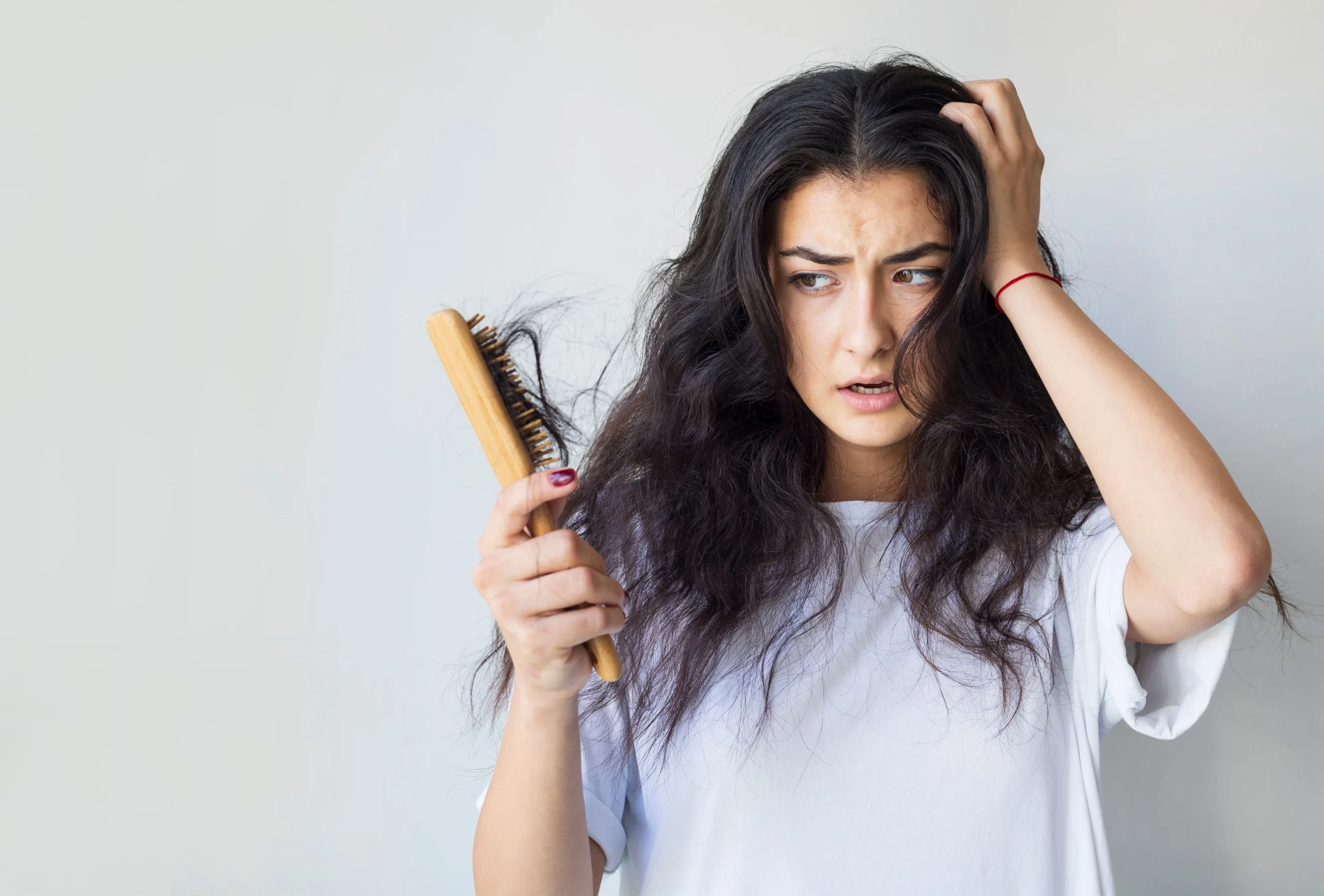
You’re likely experiencing hair thinning or loss, and the anticipation of it happening again during your next cycle is a legitimate concern. This isn’t a hypothetical; it’s a common and often distressing side effect for many. As you navigate your health journey, understanding how to mitigate this predictable pattern is crucial. In 2026, you have a range of strategies at your disposal, from proactive lifestyle adjustments to advanced interventions. This guide aims to provide you with a comprehensive and actionable approach to prevent or minimize hair loss on cycle.
Before you can effectively prevent hair loss, you need to grasp why it happens. For most, this phenomenon is tied to hormonal fluctuations, particularly shifts in estrogen and progesterone levels during different phases of your menstrual cycle.
Hormonal Fluctuations and Their Impact
Estrogen’s Protective Role
During the follicular phase, as estrogen levels rise, your hair typically experiences a period of growth and retention. Estrogen is believed to prolong the anagen (growth) phase of the hair follicle and decrease shedding. It also stimulates the production of sebum, which helps to keep your scalp and hair moisturized and healthy.
Progesterone’s Less Favorable Influence
As you move into the luteal phase and approach your period, progesterone levels begin to climb, while estrogen declines. Progesterone can shorten the anagen phase and potentially push hairs into the telogen (resting) phase prematurely, leading to increased shedding. This is why you might notice more hair in your brush or shower drain in the days leading up to or during your period.
Androgen Sensitivity and Genetic Predisposition
While hormonal shifts are a primary driver, your individual sensitivity to androgens (male hormones, present in smaller amounts in women) plays a significant role. Even if your androgen levels are within the normal range, if your hair follicles are particularly sensitive, these hormones can bind to receptors, leading to follicular miniaturization and, consequently, hair thinning. Genetics heavily influences this sensitivity. If hair loss is prevalent in your family, you are more predisposed.
Nutritional Deficiencies and Their Links to Hair Health
During your cycle, your body’s nutritional needs can fluctuate, and some women may experience increased cravings or changes in appetite that can impact nutrient absorption. Deficiencies in key vitamins and minerals are directly linked to hair health and can exacerbate cycle-related shedding.
Iron Deficiency (Anemia)
Iron is essential for hemoglobin production, which carries oxygen to your cells, including hair follicles. Low iron levels, particularly common around menstruation due to blood loss, can disrupt the hair growth cycle and lead to thinning. You might experience fatigue and paleness alongside hair loss if iron deficiency is a factor.
Zinc’s Role in Hair Follicle Function
Zinc is vital for hair tissue growth and repair. It helps keep the oil glands around the follicles working properly. Insufficient zinc can lead to hair loss and slow down the healing of damaged hair follicles.
Vitamins Crucial for Hair Growth
Several vitamins are indispensable for healthy hair. Biotin (Vitamin B7) is often touted for its role in hair growth, but other B vitamins like B12 are also critical for red blood cell formation, which delivers oxygen to the scalp. Vitamin D plays a role in hair follicle cycling, and Vitamin E acts as an antioxidant, protecting hair follicles from damage.
In 2026, a comprehensive article titled “How to Prevent Hair Loss on Cycle” explores effective strategies for maintaining hair health while using anabolic steroids. This resource delves into various preventive measures, including the use of specific supplements and lifestyle adjustments that can mitigate the risk of hair loss associated with cycling. For more detailed insights and tips, you can read the full article here: How to Prevent Hair Loss on Cycle.
Proactive Nutritional Strategies for Prevent Hair Loss Support

Addressing potential nutritional gaps is a cornerstone of preventing cycle-related hair loss. This isn’t about drastic diets, but rather about consistent, mindful eating that supports your body throughout its monthly rhythm.
Optimizing Your Diet for Hair Health
Prioritizing Nutrient-Dense Foods
Focus on incorporating a wide variety of whole, unprocessed foods into your daily intake. This ensures you’re getting a broad spectrum of vitamins, minerals, and antioxidants that are essential for cellular health, including that of your hair follicles.
Lean Proteins and Essential Amino Acids
Hair is primarily made of protein (keratin). Ensure you’re consuming adequate amounts of lean protein sources such as chicken, fish, beans, lentils, and tofu. These provide the amino acids necessary for keratin production and hair growth.
Healthy Fats for Scalp Health
Omega-3 fatty acids, found in fatty fish (salmon, mackerel), flaxseeds, and walnuts, are beneficial for reducing inflammation and promoting scalp health. This can create a more conducive environment for hair growth.
Antioxidant-Rich Fruits and Vegetables
Berries, leafy greens, and colorful vegetables are packed with antioxidants that combat oxidative stress, which can damage hair follicles. These also contribute to overall well-being, which indirectly supports hair health.
Strategic Supplementation: When and What to Consider
While a balanced diet should be your primary focus, targeted supplementation can be a valuable tool, especially if you have identified deficiencies or know your cycle tends to deplete certain nutrients.
Iron Supplementation (Under Guidance)
If you suspect iron deficiency or have been diagnosed with anemia, iron supplementation is crucial. However, always consult with your healthcare provider before starting iron supplements, as excessive iron can be harmful. They can assess your iron levels and recommend the appropriate dosage and type of supplement.
Zinc and Vitamin D
If your dietary intake of zinc is insufficient, a well-formulated zinc supplement might be considered. Similarly, if you have limited sun exposure or live in a region with low sunlight, a Vitamin D supplement might be beneficial. Again, it’s advisable to discuss these with a healthcare professional to determine if they are necessary for you.
B Vitamins and Biotin
A daily multivitamin that includes a good range of B vitamins can help ensure you’re meeting your needs. While biotin is widely available, its effectiveness for hair growth in individuals without a deficiency is still debated. However, it’s generally safe and often included in hair-focused supplements.
Lifestyle Adjustments for Resilient Hair
Beyond nutrition, several lifestyle choices directly impact your hair’s health and resilience, especially during periods of hormonal flux. Making conscious adjustments here can significantly reduce shedding.
Stress Management Techniques
Chronic stress is a known accelerant of hair loss. It can push more hair follicles into the telogen phase prematurely. Implementing effective stress management techniques should be a priority.
Mindfulness and Meditation
Practicing mindfulness or meditation for even a few minutes daily can help calm your nervous system and reduce cortisol levels, the primary stress hormone. Apps like Headspace or Calm can guide you through regular sessions.
Regular Physical Activity
Engaging in regular exercise, whether it’s brisk walking, yoga, or more intense workouts, is an excellent stress reliever. It also improves circulation, which is beneficial for a healthy scalp.
Adequate Sleep Hygiene
Prioritizing quality sleep is fundamental for overall health and hormone regulation. Aim for 7-9 hours of uninterrupted sleep per night. Establishing a consistent sleep schedule and creating a relaxing bedtime routine can promote better sleep.
Gentle Hair Care Practices
The way you treat your hair on a daily basis can make a significant difference, particularly when your scalp is more sensitive.
Minimizing Heat Styling
Excessive heat from blow dryers, curling irons, and straighteners can damage hair shafts and weaken follicles. When possible, allow your hair to air dry and opt for heatless styling methods. If you must use heat, always apply a heat protectant spray.
Avoiding Tight Hairstyles
Wearing your hair pulled back in tight ponytails, braids, or buns can cause traction alopecia, a form of hair loss due to prolonged pulling on the hair follicles. Opt for looser styles whenever possible.
Choosing Gentle Hair Products
Harsh shampoos and conditioners containing sulfates and parabens can strip your hair of its natural oils, leading to dryness and breakage. Opt for gentle, sulfate-free, and paraben-free formulations. Consider using a clarifying shampoo occasionally to remove product buildup.
Topical Treatments and Scalp Health
For targeted support, topical treatments can be applied directly to the scalp to encourage hair growth and minimize shedding.
Over-the-Counter (OTC) Options
Minoxidil (Rogaine)
Minoxidil is an FDA-approved topical treatment that has shown efficacy in promoting hair regrowth in both men and women. It works by widening blood vessels in the scalp, which is believed to increase blood flow to hair follicles and stimulate their growth. You can purchase it in various strengths and formulations (foam or liquid). Consistency is key with minoxidil; you will likely need to use it continuously to maintain results. It’s important to note that initial shedding can occur when starting minoxidil, which is often temporary as new hairs begin to grow.
Specialized Scalp Serums and Tonics
Many brands offer topical serums and tonics formulated with ingredients like peptides, botanical extracts (e.g., rosemary, saw palmetto), and vitamins designed to nourish the scalp and encourage stronger hair growth. Research individual product claims and ingredients to find those that align with your needs.
Prescription Treatments for More Significant Loss
For more persistent or severe hair thinning, a healthcare provider might prescribe stronger topical treatments or consider other interventions.
Topical Finasteride (Off-Label Use)
While primarily prescribed for male pattern baldness, topical finasteride is sometimes used off-label for women experiencing androgenetic alopecia. Finasteride works by inhibiting the enzyme 5-alpha-reductase, which converts testosterone to dihydrotestosterone (DHT), a hormone implicated in hair follicle miniaturization in sensitive individuals. This treatment should only be used under the strict supervision of a medical professional due to potential side effects.
Corticosteroid Lotions and Solutions
In cases where scalp inflammation is contributing to hair loss, a doctor might prescribe topical corticosteroids to reduce inflammation and promote follicle healing.
In 2026, many individuals seeking to prevent hair loss while on a cycling regimen may find valuable insights in a related article that discusses effective strategies and products. This article emphasizes the importance of maintaining a balanced diet and incorporating specific supplements that can support hair health during intense physical activity. For those interested in exploring these options further, you can check out the comprehensive guide available at BodyTech Pharma, which offers a range of products designed to promote hair vitality and overall well-being.
Seeking Professional Guidance and Advanced Interventions
| Preventive Measures | Effectiveness |
|---|---|
| Proper nutrition | High |
| Scalp massage | Moderate |
| Use of mild shampoos | High |
| Avoiding tight hairstyles | High |
| Reducing stress | Moderate |
While self-care and OTC solutions are valuable, persistent or significant hair loss warrants professional assessment. A healthcare provider can help identify underlying causes and discuss more advanced treatment options.
Consulting with a Dermatologist
A dermatologist is a medical doctor specializing in skin, hair, and nail conditions. They can accurately diagnose the cause of your hair loss by examining your scalp, reviewing your medical history, and sometimes performing blood tests or a scalp biopsy. This personalized diagnosis is crucial for effective treatment.
Blood Tests to Identify Underlying Issues
Your dermatologist may order blood tests to check for common culprits of hair loss, such as:
Thyroid Hormone Levels
Both an overactive (hyperthyroidism) and underactive (hypothyroidism) thyroid can significantly impact hair growth and cause thinning.
Hormone Levels (Androgens, Prolactin)
Measuring your levels of androgens and prolactin can help determine if hormonal imbalances are contributing to your hair loss, especially if it’s cyclical.
Vitamin and Mineral Deficiencies
As mentioned earlier, blood tests can confirm or rule out deficiencies in iron, vitamin D, zinc, and other essential nutrients.
Advanced Hair Loss Treatments
If conservative measures are not yielding sufficient results, your dermatologist might discuss more advanced interventions.
Platelet-Rich Plasma (PRP) Therapy
PRP therapy involves drawing your blood, processing it to concentrate the platelets, and then injecting this concentrated plasma into your scalp. Platelets are rich in growth factors that can stimulate hair follicles and promote regrowth. This is typically administered in a series of sessions.
Low-Level Laser Therapy (LLLT)
LLLT devices, available as combs, helmets, or caps, use specific wavelengths of light to stimulate hair follicles at a cellular level. This therapy is generally considered safe and can be used at home after initial consultation with a professional. It’s often used in conjunction with other treatments.
Hair Transplantation
For individuals with significant and permanent hair loss, hair transplantation may be an option. This surgical procedure involves moving hair follicles from a donor area (typically the back or sides of the scalp, where hair is more resistant to thinning) to the thinning or bald areas. While effective, it is a more invasive and costly solution.
By adopting a proactive, multi-faceted approach that combines understanding the root causes with practical strategies, you can significantly improve your chances of preventing or minimizing hair loss on cycle. Remember that consistency in your efforts, coupled with patience, is key to achieving and maintaining healthier, fuller hair.
FAQs
What causes hair loss on cycle?
Hair loss on cycle can be caused by hormonal imbalances, stress, nutritional deficiencies, and genetics. Additionally, certain medications and medical conditions can also contribute to hair loss.
How can I prevent hair loss on cycle?
To prevent hair loss on cycle, it is important to maintain a balanced diet, manage stress levels, avoid harsh hair treatments, and use gentle hair care products. Additionally, consulting a healthcare professional for personalized advice and treatment options can be beneficial.
Are there any specific supplements or medications that can help prevent hair loss on cycle?
There are certain supplements and medications, such as biotin, minoxidil, and finasteride, that have been shown to help prevent hair loss. However, it is important to consult a healthcare professional before taking any supplements or medications to address hair loss.
Can cycling itself cause hair loss?
Cycling itself is not a direct cause of hair loss. However, intense physical activity and prolonged exposure to sweat and helmet use can contribute to scalp irritation, which may indirectly lead to hair loss. Proper hygiene and care can help mitigate these effects.
When should I seek professional help for hair loss on cycle?
If you are experiencing significant or prolonged hair loss on cycle, it is advisable to seek professional help from a dermatologist or healthcare provider. They can help determine the underlying cause of the hair loss and recommend appropriate treatment options.
Related Posts

SARMS vs Prohormones: Which Packs the Most Powerful Punch
Let's delve into the dynamic world of SARMS vs. Prohormones by exploring their individual strengths, potential pitfalls, and the science backing each. Whether you're a seasoned athlete or just beginning your fitness journey, understanding the distinct mechanisms and results of these compounds can illuminate the path forward. Armed with this knowledge, you can make informed decisions that align with your health priorities and desired outcomes, empowering you to achieve unparalleled performance in the gym and beyond.

Ostarine vs RAD140: Which SARM Reigns Supreme
Imagine achieving the muscle gains of your dreams without sacrificing your health or breaking the bank. With Ostarine and RAD-140, this vision feels tantalizingly within reach. Both SARMs promise impressive results, but the choice between them hinges on various factors including your fitness goals, dosage preferences, and tolerance for potential side effects. As we unravel the unique benefits and challenges posed by each, you'll discover insights that could help steer your fitness journey in a direction that aligns perfectly with your aspirations. So, let's delve into the fascinating world of SARMs and find out which one could potentially be your ultimate ally.

Best Time to Start Your First SARMS Cycle Explored
Delving into the world of SARMS can be both exhilarating and intimidating. With promises of enhanced muscle growth, increased endurance, and accelerated fat loss, it's no wonder the allure is hard to resist. But before diving headfirst into this transformative experience, understanding the optimal timing could be the key difference between groundbreaking results and mere mediocrity. Within these lines, we'll explore not just the season or month that could maximize your gains, but the personal conditions and readiness required to make your first cycle truly impactful. Whether you're a seasoned athlete or a newcomer to fitness, knowing when to start can set the stage for your remarkable transformation.

Dispelling SARMS Myths: Separating Fact from Fiction
With a surge in chatter across online forums and gym locker rooms, it's crucial to dissect fact from fiction. Many believe SARMs are a quick fix with miraculous results, while others warn of untold risks lurking beneath the surface. By embarking on this journey to dispel common SARMS myths, we aim to illuminate the actual science behind these compounds, navigating through exaggerated promises and unfounded fears. Whether you're considering SARMs for the first time or simply seeking the truth amid the noise, this exploration will provide you with clarity and confidence in understanding what SARMs can, and cannot, do.

How to Reduce Water Retention and Bloating on SARMS?
The good news is that by implementing a few strategic changes in your routine, you can effectively manage these side effects without compromising your fitness goals. In this blog post, we will explore practical strategies on how to reduce water retention and bloating on SARMS. From dietary adjustments to lifestyle tweaks, these tips will help you beat the bloat and maintain the sculpted physique you're working so hard to achieve. Read on to discover the steps you can take to stay comfortably on track with your fitness objectives.

The History of SARMS: From Medical Research to Fitness
The history of SARMS is a tale rich with intrigue—a journey through early pharmaceutical research labs, espionage-like scientific rivalries, and groundbreaking discoveries. From their initial development aimed at treatments for muscle-wasting diseases to their controversial status in sports and bodybuilding, each chapter of this narrative adds depth to our understanding of these compounds. Join us as we delve into this extraordinary saga, shedding light on the milestones and turning points that have shaped the SARMS landscape as we know it today.

SARMS and Peptides: Revolutionizing Fitness Through Science
Picture this: you're at the gym, grinding through another intense workout session, yearning for results that reflect your hard work and discipline. That's where the magic of SARMS and Peptides comes into play. For those who have ever felt stuck in a fitness plateau or frustrated with the slow pace of progress, these compounds present a scientifically-backed solution. By tapping into cutting-edge research, fitness aficionados worldwide are now beginning to uncover the potential of SARMS and Peptides to break barriers and redefine their physical limits. As we delve deeper into this blog post, prepare to discover the science, benefits, and considerations that make these compounds an exciting frontier in fitness innovation.