
SARMS and Peptides: Revolutionizing Fitness Through Science

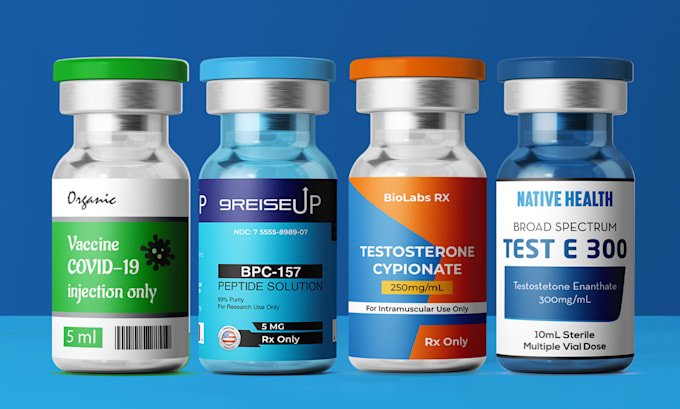
In the ever-evolving world of fitness, where innovation meets dedication, a new wave of scientific advancements is transforming the way we approach muscle growth and performance enhancement. Enter SARMS and Peptides, the game-changers that are taking the fitness industry by storm. Unlike traditional supplements, which can sometimes fall short of delivering on their promises, SARMS and Peptides offer a novel pathway to achieving those elusive fitness goals. By targeting specific androgen receptors and enhancing cellular functions, these compounds are revolutionizing the way athletes and fitness enthusiasts build strength, gain muscle, and recover more effectively than ever before.
Picture this: you’re at the gym, grinding through another intense workout session, yearning for results that reflect your hard work and discipline. That’s where the magic of SARMS and Peptides comes into play. For those who have ever felt stuck in a fitness plateau or frustrated with the slow pace of progress, these compounds present a scientifically-backed solution. By tapping into cutting-edge research, fitness aficionados worldwide are now beginning to uncover the potential of SARMS and Peptides to break barriers and redefine their physical limits. As we delve deeper into this blog post, prepare to discover the science, benefits, and considerations that make these compounds an exciting frontier in fitness innovation.
Understanding SARMS: The Science Behind Selective Androgen Receptor Modulators

Selective Androgen Receptor Modulators, or SARMS, represent a groundbreaking class of compounds designed to mimic the muscle-building benefits of anabolic steroids without the broad systemic side effects. Unlike traditional steroids, which can indiscriminately activate androgen receptors throughout the body, SARMS selectively bind to receptors in muscle and bone tissue. This targeted mechanism of action makes them an attractive option for athletes and fitness enthusiasts seeking lean muscle gains and improved strength without the increased risk of liver toxicity, severe hormonal imbalances, or unwanted androgenic side effects like hair loss.
At the molecular level, SARMS function by entering muscle cells and attaching to androgen receptors in the cell nucleus. This interaction triggers a cascade of gene expression that upregulates protein synthesis pathways, ultimately leading to hypertrophy and enhanced muscle repair after exercise. Preclinical and clinical studies have demonstrated that SARMS can increase lean muscle mass, improve bone density, and accelerate recovery—all while maintaining a favorable safety profile when used responsibly. In recent years, research has focused on compounds like Ostarine (MK-2866) and Ligandrol (LGD-4033), highlighting their potential to revolutionize the fitness industry by delivering performance-enhancing benefits with minimal off-target effects.
As interest in “SARMS and Peptides” continues to grow, understanding the science behind these modulators is essential. While not yet approved for widespread therapeutic use by regulatory agencies, many users rely on informed sourcing and medical oversight to optimize dosing protocols. By comprehensively studying receptor selectivity, pharmacokinetics, and safety data, researchers aim to refine SARMS formulations for future clinical applications, potentially offering novel treatments for muscle-wasting diseases, osteoporosis, and age-related frailty. As the science advances, SARMS stand poised to become a mainstay in performance enhancement—and a topic every fitness aficionado should understand.
Exploring Peptides: How These Molecules Enhance Fitness Performance
Peptides are short chains of amino acids that act as signaling molecules in the body, orchestrating critical physiological processes. Unlike larger proteins, peptides can penetrate tissues more easily, bind to specific cell-surface receptors, and elicit targeted responses. In the context of fitness, bioactive peptides—such as growth hormone-releasing peptides (GHRPs) and thymosin beta-4—are engineered to optimize recovery, promote lean muscle synthesis, and support joint health. By tapping into the body’s natural repair and growth pathways, peptides offer a versatile approach to enhancing performance without the systemic disruptions sometimes associated with other performance-enhancing agents.
The appeal of peptides lies in their precision and modularity. Researchers can tweak peptide sequences to increase half-life, improve receptor affinity, or reduce immunogenicity, creating custom-tailored compounds that address specific fitness goals. From increasing endogenous growth hormone secretion to speeding up muscle fiber repair and bolstering immune function, the versatility of peptides makes them a powerful tool in the modern athlete’s arsenal. As the dialogue around “SARMS and Peptides” gains momentum, understanding how these molecules work—at the cellular and molecular level—is key to unlocking their full potential while maintaining safety and legal compliance.
Key Differences Between SARMS and Peptides: Which is Right for You?
While both SARMS and Peptides offer targeted approaches to performance enhancement, they operate through distinct biological pathways. SARMS selectively engage androgen receptors to directly stimulate muscle protein synthesis and bone growth. Peptides, on the other hand, function as signaling agents that modulate hormonal release, inflammation, and tissue repair. Understanding these differences is crucial when designing a fitness regimen tailored to specific goals, whether that’s pure muscle gain, rapid recovery, or joint rehabilitation.
Incorporating “SARMS and Peptides” into your routine should begin with a clear assessment of your objectives. If your primary aim is lean muscle hypertrophy and improved strength without significant systemic hormonal disruption, SARMS may be the optimal choice. Conversely, if recovery speed, immune support, or injury prevention top your priority list, peptides are engineered to fine-tune the body’s natural restoration processes. Ultimately, the decision hinges on individual physiology, training intensity, and long-term wellness considerations.
Benefits of SARMS in Fitness: Muscle Growth and Strength Enhancement
The primary allure of SARMS in fitness circles is their ability to deliver anabolic benefits akin to traditional steroids, but with fewer off-target effects. By binding selectively to androgen receptors in muscle and bone, SARMS enhance protein synthesis pathways, which leads to noticeable improvements in lean muscle mass and overall strength. Studies have shown that compounds like Ostarine and Ligandrol can increase bench-press and squat performance metrics by up to 15–20% over a standard 8–12 week protocol, especially when combined with a high-protein diet and structured resistance training program.
Another distinct advantage of SARMS lies in their safety profile. Unlike oral anabolic steroids that can elevate liver enzymes or negatively impact cholesterol levels, many SARMS demonstrate minimal hepatotoxicity and a milder effect on lipid profiles. This reduced systemic strain allows athletes to push their training boundaries without compromising long-term health. To maximize gains, users often cycle SARMS in 8–12 week blocks, followed by post-cycle therapy to restore endogenous testosterone function. When monitored by healthcare professionals, SARMS protocols can be customized to individual needs, ensuring effective results while mitigating risk.
Incorporating “SARMS and Peptides” into your regimen can lead to dramatic shifts in performance benchmarks. By focusing specifically on anabolic receptor engagement, SARMS provide a potent catalyst for breakthrough gains—especially during phases of plateau where traditional training and nutrition tweaks no longer yield significant muscle growth or strength improvements.
The Role of Peptides in Recovery and Endurance: Maximizing Athletic Potential
One of the standout benefits of fitness peptides is their ability to enhance recovery mechanisms, enabling athletes to train harder, more frequently, and with reduced injury risk. Peptides like BPC-157 have gained attention for accelerating tendon and ligament repair, while Growth Hormone Releasing Hormone (GHRH) analogs support deep restorative sleep and metabolic optimization. By improving cellular regeneration and mitigating inflammation, these molecules ensure that each workout contributes to progressive adaptation rather than cumulative fatigue.
Endurance athletes also benefit from targeted peptides that enhance oxygen utilization and mitochondrial function. For instance, certain EPO-mimetic peptides can improve red blood cell production, thereby boosting aerobic capacity and delaying the onset of fatigue. When recovery is prioritized through precise peptide therapy, training volume and intensity can be safely increased without compromising tissue integrity. This allows competitive athletes and weekend warriors alike to push their limits, knowing that their bodies have the molecular support needed for rapid repair and sustained performance.
Legal and Safety Considerations When Using SARMS and Peptides
Despite their growing popularity, the legal status of SARMS and peptides varies significantly across countries and sports governing bodies. In many regions, SARMS are not approved for human consumption by regulatory agencies like the FDA and are often classified as research chemicals. This regulatory gray area underscores the importance of sourcing from reputable suppliers who provide third-party testing to verify purity and concentration. Using contaminated or mislabeled products not only jeopardizes health but can also lead to inadvertent positive doping tests.
Safety considerations extend beyond legality. While SARMS tend to exhibit fewer side effects than anabolic steroids, improper dosing or extended use can still disrupt hormonal balance, leading to suppressed natural testosterone production, mood swings, and potential lipid profile alterations. Peptides, although generally well-tolerated, can provoke injection-site reactions, mild water retention, or transient hormonal fluctuations. As with any performance-enhancing regimen, medical supervision, periodic blood work, and responsible cycling practices are essential to minimize risks and ensure long-term wellness.
Combining SARMS and Peptides: Synergistic Effects for Optimal Results
When used in combination, SARMS and peptides can produce synergistic effects that amplify overall fitness outcomes. SARMS provide the anabolic drive necessary for muscle hypertrophy, while peptides optimize recovery, cellular repair, and hormonal balance. For example, pairing a SARM like RAD-140 with a recovery peptide such as BPC-157 can accelerate muscle tissue repair after intense workouts, allowing for consistent progression in strength training cycles.
Another popular stack involves Ostarine to stimulate lean mass gains alongside a growth hormone–releasing peptide like Ipamorelin. This dual approach not only enhances muscle volume but also supports lipolysis and improved sleep quality, contributing to an overall leaner physique and faster recovery times. With “SARMS and Peptides” working in concert, athletes can customize protocols to address specific performance goals without relying solely on high-dose steroids or synthetic hormones.
Careful planning is critical when stacking these compounds. Timing, dosage, and cycle length should be calibrated to individual tolerance and training intensity. Consulting with healthcare professionals or experienced coaches ensures that combined protocols deliver maximal benefits while minimizing potential interactions or side effects.
Real-Life Success Stories: Athletes Who Have Leveraged SARMS and Peptides
Across bodybuilding forums and competitive sports circles, numerous athletes credit their breakthrough transformations to the strategic use of SARMS and peptides. One Olympic weightlifter reported a 12% increase in snatch and clean-and-jerk numbers during a 10-week cycle of Ligandrol paired with a growth hormone secretagogue, attributing faster recovery and reduced joint discomfort to peptide support. Similarly, a professional CrossFit athlete documented a significant drop in muscle soreness and improved endurance after incorporating a daily regimen of TB-500 and RAD-140, allowing for back-to-back high-intensity training days with minimal downtime.
These anecdotal successes align with emerging research, underscoring the potential of “SARMS and Peptides” to reshape athletic performance. While individual results vary based on genetics, training background, and diet, the collective evidence suggests that targeted compound stacks can lead to measurable gains—often outpacing traditional supplementation methods. As these stories circulate, they fuel further interest and drive more athletes to explore scientifically backed approaches to performance optimization.
Debunking Myths About SARMS and Peptides: Separating Fact from Fiction
Misinformation often clouds the conversation around performance-enhancing compounds. A common myth is that SARMS are as dangerous as anabolic steroids, leading some to dismiss them outright. In reality, SARMS exhibit higher receptor selectivity, which significantly reduces off-target effects on organs like the liver and prostate. While vigilance is still required, equating SARMS with classic steroid risks overlooks decades of pharmacological research demonstrating their favorable safety profiles when properly managed.
Another misconception is that peptides cause uncontrollable hormonal surges or serious immune reactions. Most fitness peptides are derived from naturally occurring sequences and are engineered for minimal immunogenicity. Injection-site irritation is typically mild and transient, and hormonal spikes follow predictable, short-lived patterns that can be monitored with routine blood tests. Disentangling hype from science is vital—relying on peer-reviewed studies, clinical trial data, and expert guidance ensures that decisions about “SARMS and Peptides” are grounded in evidence rather than hearsay.
Embracing the Future: How SARMS and Peptides Are Shaping the Fitness Landscape
As research into selective androgen receptor modulators and bioactive peptides advances, the fitness industry stands on the cusp of a new era. Innovations in peptide engineering promise longer-lasting effects, improved receptor specificity, and multifunctional compounds that address muscle growth, recovery, and metabolic health simultaneously. Meanwhile, next-generation SARMS are being developed to target subpopulations of androgen receptors with even greater precision, potentially minimizing side effects and expanding therapeutic applications.
For athletes and fitness enthusiasts, understanding and responsibly leveraging “SARMS and Peptides” will become an essential competency. From personalized dosing algorithms driven by genetic insights to integrated wellness protocols combining nutrition, training, and targeted supplementation, the future of performance enhancement is increasingly scientific. By staying informed and collaborating with medical professionals, individuals can harness these breakthroughs to elevate their training, shatter plateaus, and achieve long-term health and performance goals.
Related Posts

Best SARMS for Healing Joints and Tendons?

CJC-1295 vs. Ipamorelin: Understanding the Difference in GH Release?

Why BPC-157 and TB-500 are the Ultimate Recovery Duo?

How To prevent Hair Loss on Cycle in 2026?

SARMS vs Prohormones: Which Packs the Most Powerful Punch
Let's delve into the dynamic world of SARMS vs. Prohormones by exploring their individual strengths, potential pitfalls, and the science backing each. Whether you're a seasoned athlete or just beginning your fitness journey, understanding the distinct mechanisms and results of these compounds can illuminate the path forward. Armed with this knowledge, you can make informed decisions that align with your health priorities and desired outcomes, empowering you to achieve unparalleled performance in the gym and beyond.

Ostarine vs RAD140: Which SARM Reigns Supreme
Imagine achieving the muscle gains of your dreams without sacrificing your health or breaking the bank. With Ostarine and RAD-140, this vision feels tantalizingly within reach. Both SARMs promise impressive results, but the choice between them hinges on various factors including your fitness goals, dosage preferences, and tolerance for potential side effects. As we unravel the unique benefits and challenges posed by each, you'll discover insights that could help steer your fitness journey in a direction that aligns perfectly with your aspirations. So, let's delve into the fascinating world of SARMs and find out which one could potentially be your ultimate ally.

Best Time to Start Your First SARMS Cycle Explored
Delving into the world of SARMS can be both exhilarating and intimidating. With promises of enhanced muscle growth, increased endurance, and accelerated fat loss, it's no wonder the allure is hard to resist. But before diving headfirst into this transformative experience, understanding the optimal timing could be the key difference between groundbreaking results and mere mediocrity. Within these lines, we'll explore not just the season or month that could maximize your gains, but the personal conditions and readiness required to make your first cycle truly impactful. Whether you're a seasoned athlete or a newcomer to fitness, knowing when to start can set the stage for your remarkable transformation.

Dispelling SARMS Myths: Separating Fact from Fiction
With a surge in chatter across online forums and gym locker rooms, it's crucial to dissect fact from fiction. Many believe SARMs are a quick fix with miraculous results, while others warn of untold risks lurking beneath the surface. By embarking on this journey to dispel common SARMS myths, we aim to illuminate the actual science behind these compounds, navigating through exaggerated promises and unfounded fears. Whether you're considering SARMs for the first time or simply seeking the truth amid the noise, this exploration will provide you with clarity and confidence in understanding what SARMs can, and cannot, do.

How to Reduce Water Retention and Bloating on SARMS?
The good news is that by implementing a few strategic changes in your routine, you can effectively manage these side effects without compromising your fitness goals. In this blog post, we will explore practical strategies on how to reduce water retention and bloating on SARMS. From dietary adjustments to lifestyle tweaks, these tips will help you beat the bloat and maintain the sculpted physique you're working so hard to achieve. Read on to discover the steps you can take to stay comfortably on track with your fitness objectives.

The History of SARMS: From Medical Research to Fitness
The history of SARMS is a tale rich with intrigue—a journey through early pharmaceutical research labs, espionage-like scientific rivalries, and groundbreaking discoveries. From their initial development aimed at treatments for muscle-wasting diseases to their controversial status in sports and bodybuilding, each chapter of this narrative adds depth to our understanding of these compounds. Join us as we delve into this extraordinary saga, shedding light on the milestones and turning points that have shaped the SARMS landscape as we know it today.