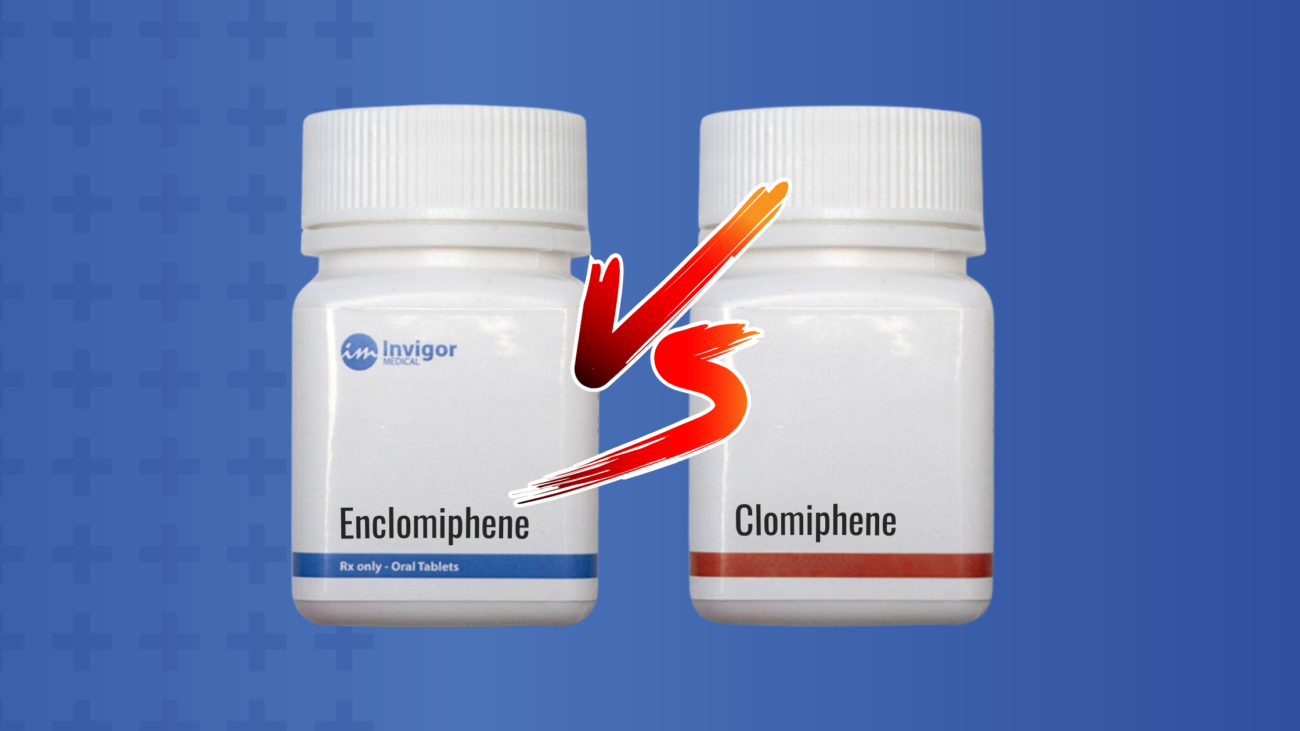
Why BPC-157 and TB-500 are the Ultimate Recovery Duo?

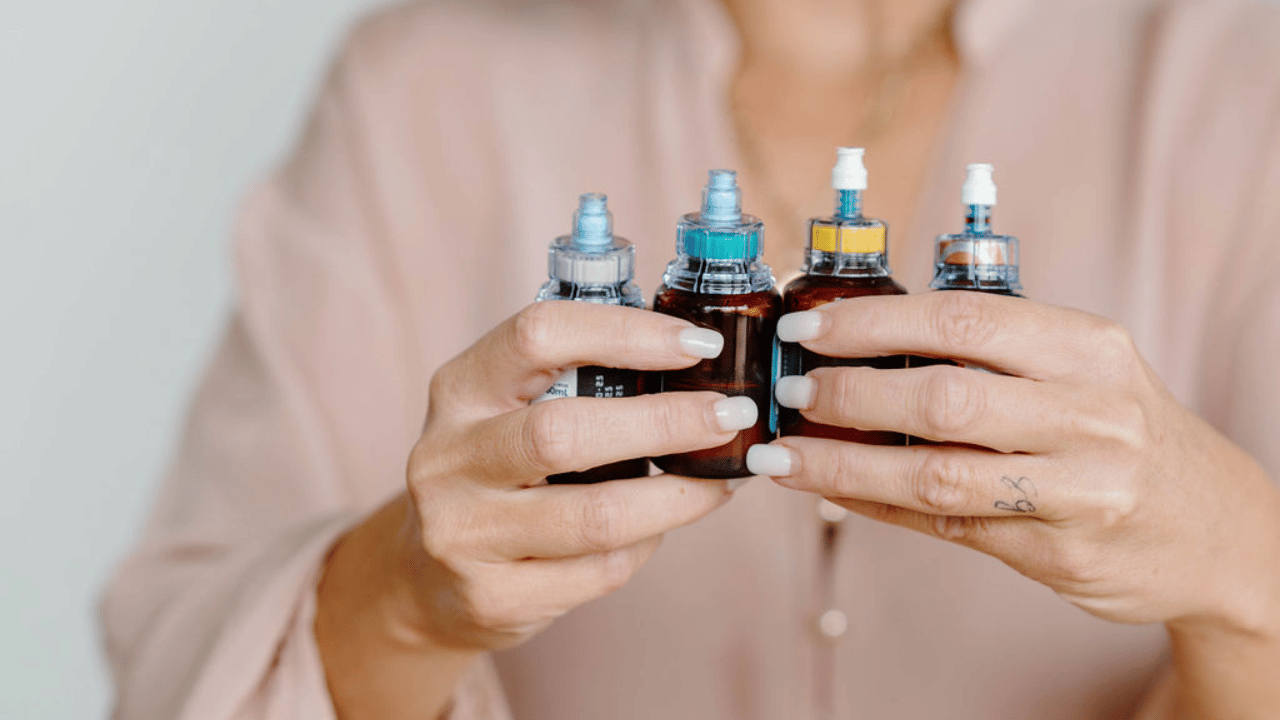
You’ve likely heard the buzz in the recovery and performance communities surrounding BPC-157 and TB-500. Perhaps you’re an athlete seeking an edge, recovering from an injury, or simply interested in optimizing your body’s restorative processes. This article will delve into why many consider this peptide combination to be a potent partnership for recovery, dissecting their individual mechanisms and synergistic effects. We will explore their applications, potential benefits, and the scientific rationale behind their use, providing you with a grounded understanding of why these two compounds frequently appear together in discussions about advanced healing.
BPC-157, or Body Protection Compound-157, is a synthetic peptide derived from a naturally occurring protein found in gastric juice. Its primary role in the body appears to be related to tissue healing and protection, particularly within the gastrointestinal tract, but its systemic effects extend far beyond. You’ll find that BPC-157’s restorative capabilities are remarkably versatile.
Gastric Protection and Repair
Initially studied for its protective effects on the stomach and intestines, BPC-157 accelerates the healing of various forms of damage to the gastrointestinal mucosa. This includes ulcers, inflammatory bowel disease, and fistulas. You’ll observe its ability to regenerate tissue and protect against further damage, which stems from its influence on angiogenesis and cell proliferation.
- Ulcer Healing: BPC-157 promotes the healing of gastric and duodenal ulcers by enhancing mucosal blood flow and strengthening the protective barrier.
- Inflammation Reduction: It exhibits significant anti-inflammatory properties within the gut, which can alleviate symptoms associated with inflammatory conditions.
- Fistula Repair: Studies suggest BPC-157 can facilitate the closure of internal fistulas, a challenging condition to treat.
Musculoskeletal Healing
Beyond the gut, BPC-157 has garnered significant attention for its impact on musculoskeletal injuries. If you’ve sustained a tendon, ligament, or muscle injury, you’ll be interested in its potential to accelerate repair and improve functional outcomes.
- Tendon and Ligament Repair: BPC-157 directly promotes the growth and organization of fibroblasts, crucial for collagen synthesis and tissue remodeling in tendons and ligaments. It can enhance the strength and quality of repaired tissue.
- Muscle Regeneration: Following muscle damage, BPC-157 aids in the regeneration of muscle fibers and improves the integrity of the neuromuscular junction, contributing to faster recovery of strength and function.
- Bone Healing: It has been shown to accelerate bone fracture healing by promoting angiogenesis and osteoblast activity, key elements in bone repair.
- Cartilage Regeneration: While research is ongoing, preliminary findings suggest BPC-157 may play a role in cartilage repair and maintenance, potentially offering benefits for joint health.
Modulating Angiogenesis
A key mechanism through which BPC-157 exerts many of its regenerative effects is by modulating angiogenesis, the formation of new blood vessels. Adequate blood supply is fundamental for tissue repair, delivering essential nutrients and removing waste products. You’ll see BPC-157’s influence here as a fundamental driver of its healing capabilities.
- Vascular Endothelial Growth Factor (VEGF): BPC-157 upregulates VEGF expression, a critical factor in initiating and maintaining angiogenesis.
- Fibroblast Growth Factor (FGF): It also influences FGF, another potent stimulant for blood vessel formation, ensuring a robust blood supply to injured tissues.
Anti-Inflammatory Effects
You’ll find that BPC-157 possesses systemic anti-inflammatory properties, which can be beneficial in various injury and recovery scenarios. Chronic inflammation can impede healing, and BPC-157’s ability to mitigate this response is a significant advantage.
- Cytokine Modulation: It can modulate the production of pro-inflammatory cytokines, reducing the overall inflammatory burden.
- Nitric Oxide Synthase (NOS): BPC-157 influences the nitric oxide system, contributing to its anti-inflammatory and cytoprotective actions.
In exploring the remarkable benefits of BPC-157 and TB-500 as the ultimate recovery duo, it’s also worthwhile to consider how other performance-enhancing compounds can complement their effects. For a deeper understanding of various substances that can aid in muscle growth and recovery, check out the article on the top SARMs for bulking in this comprehensive guide. You can read more about it here: Boost Performance with the Top 7 SARMs for Bulking: Your Ultimate Guide.
Exploring TB-500: The Thymosin Beta-4 Derivative
TB-500 is a synthetic version of thymosin beta-4 (TB4), a naturally occurring protein found in virtually all human and animal cells. TB4 plays a crucial role in cell migration, differentiation, and tissue repair. You’ll observe that TB-500, by mimicking the actions of TB4, offers a broad spectrum of regenerative and protective effects, particularly with regard to tissue remodeling and anti-inflammatory processes.
Cell Migration and Actin Regulation
A core function of TB-500 is its influence on actin, a structural protein critical for cell movement and integrity. It promotes cell migration, allowing essential healing cells to efficiently reach sites of injury. This is a primary driver of its regenerative potential.
- Actin Polymerization: TB-500 interacts with actin, promoting its polymerization and depolymerization, which is essential for cell motility and wound closure.
- Fibroblast and Endothelial Cell Migration: It significantly enhances the migration of fibroblasts and endothelial cells, crucial for wound healing and angiogenesis.
Promoting Tissue Repair and Regeneration
TB-500 exhibits a broad capacity for stimulating tissue repair across various systems. You’ll find its regenerative potential extends to numerous tissue types, making it a versatile tool in recovery protocols.
- Wound Healing: It accelerates skin wound healing by promoting epithelialization, angiogenesis, and collagen deposition.
- Cardiac Repair: Research indicates TB-500 can promote cardiomyocyte survival and regeneration following myocardial injury, potentially aiding in heart attack recovery.
- Neurological Recovery: Studies suggest it may have neuroprotective and neuroregenerative effects, potentially beneficial in conditions involving nerve damage.
- Hair Growth: Anecdotal evidence and some studies point to TB-500’s potential to stimulate hair follicle growth and improve hair density.
Anti-Inflammatory Properties
Similar to BPC-157, TB-500 possesses potent anti-inflammatory effects. You’ll notice this aspect contributing significantly to its overall healing profile, as it helps to reduce the detrimental effects of excessive or prolonged inflammation.
- NF-κB Pathway Inhibition: TB-500 can inhibit the activation of the NF-κB pathway, a central regulator of inflammatory responses.
- Cytokine Modulation: It modulates the release of various cytokines, reducing the production of pro-inflammatory mediators.
Angiogenesis and Collagen Deposition
TB-500 also plays a role in promoting angiogenesis and optimizing collagen deposition, both critical for effective tissue repair. You’ll see how these mechanisms contribute to the quality and strength of newly formed tissue.
- Vascular Sprouting: It stimulates the sprouting of new blood vessels from existing ones, improving blood flow to injured areas.
- Extracellular Matrix Remodeling: TB-500 influences the remodeling of the extracellular matrix, optimizing the arrangement and quality of newly synthesized collagen.
The Synergistic Principles of BPC-157 and TB-500
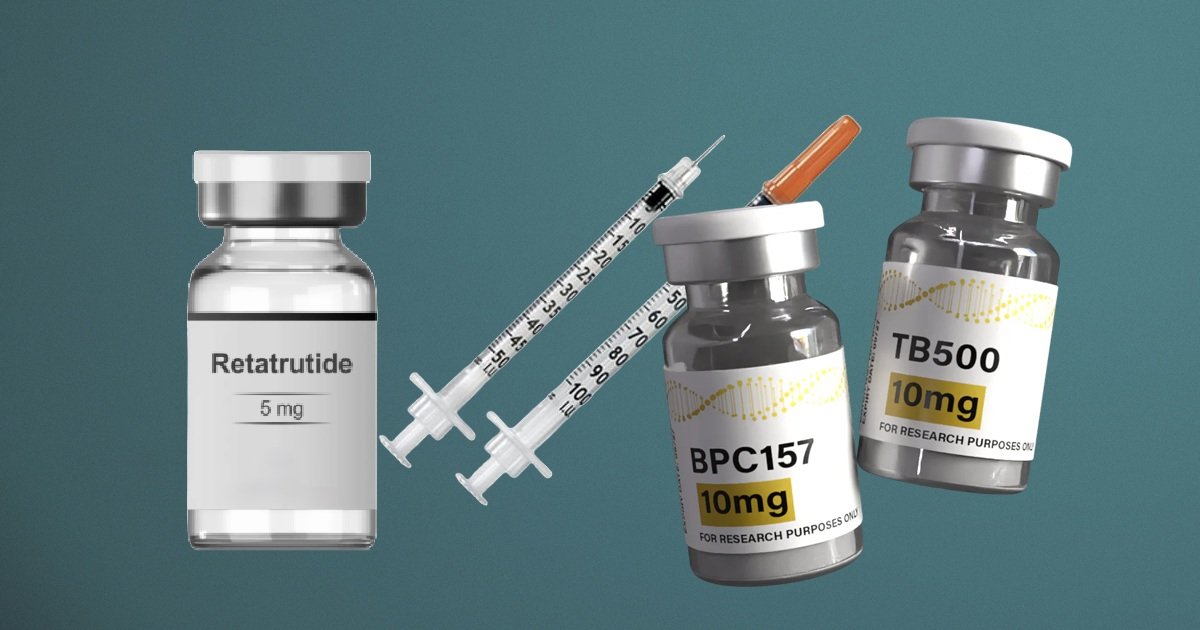
When you combine BPC-157 and TB-500, you are leveraging their distinct yet complementary mechanisms of action. Each peptide addresses different aspects of the healing cascade, and together, they offer a more comprehensive approach to recovery than either might achieve individually.
Multi-Faceted Angiogenesis
You’ll observe that while both peptides promote angiogenesis, they do so through somewhat different pathways. BPC-157 primarily upregulates growth factors like VEGF and FGF, directly stimulating the growth of new vessels. TB-500, on the other hand, also contributes to angiogenesis by promoting endothelial cell migration and survival. This dual approach ensures a more robust and efficient formation of new blood vessels, critical for delivering oxygen and nutrients to damaged tissues.
- Enhanced Blood Flow: The combined effect leads to superior blood supply to injured areas, facilitating faster clearance of debris and delivery of repair materials.
- Improved Nutrient Delivery: Optimal oxygen and nutrient delivery are crucial for cellular regeneration and tissue remodeling, which this duo significantly enhances.
Comprehensive Anti-Inflammatory Action
Both BPC-157 and TB-500 possess anti-inflammatory properties, but their mechanisms differ. BPC-157 modulates specific inflammatory pathways and nitric oxide, while TB-500 primarily inhibits the NF-κB pathway. This layered approach to inflammation control means you’ll experience a more profound and sustained reduction in inflammatory responses, preventing chronic inflammation from impeding the healing process.
- Reduced Swelling and Pain: Synergistic anti-inflammatory effects contribute to a faster reduction in localized swelling and associated pain.
- Optimized Healing Environment: By effectively managing inflammation, the peptides create a more favorable environment for cellular repair and tissue regeneration.
Accelerated Tissue Regeneration and Repair
You’ll find that BPC-157’s direct influence on fibroblast proliferation and collagen synthesis, combined with TB-500’s promotion of cell migration and actin regulation, creates a potent cocktail for accelerating tissue regeneration. BPC-157 lays the groundwork for structural integrity, while TB-500 ensures cells are efficiently transported and integrated into the repair process.
- Faster Wound Closure: The combined actions lead to quicker closure of wounds, whether superficial cuts or deeper injuries.
- Stronger Tissue Remodeling: You can expect enhanced quality and strength of newly formed tissue due to optimized collagen deposition and cellular organization.
Applications and Potential Benefits
The combined application of BPC-157 and TB-500 extends across a wide range of injury types and recovery scenarios. You’ll find this duo particularly appealing if you are dealing with persistent injuries or seeking to significantly shorten your recovery timeline.
Musculoskeletal Injuries
This is perhaps the most celebrated application of the BPC-157/TB-500 combination. If you’re an athlete or anyone dealing with tendonitis, sprains, strains, or even more severe tears, you’ll find the potential benefits compelling.
- Tendinopathy and Ligament Injuries: The duo can accelerate the healing of chronic tendinopathies, such as Achilles tendonitis or rotator cuff injuries, and aid in the repair of sprained or torn ligaments.
- Muscle Tears: You’ll observe faster repair and regeneration of muscle fibers following strains or tears, leading to quicker return to activity.
- Osteoarthritis and Joint Pain: While not a cure, their combined anti-inflammatory and regenerative effects may help alleviate symptoms and potentially slow degeneration in osteoarthritic joints.
- Post-Surgical Recovery: Surgeons and patients alike are exploring the application of these peptides to enhance recovery from orthopedic surgeries, such as ACL reconstruction or rotator cuff repair. You would likely observe reduced healing times and improved functional outcomes.
Gastrointestinal Health
Given BPC-157’s origins and TB-500’s general regenerative capabilities, their combined use offers substantial benefits for gut health.
- Inflammatory Bowel Disease (IBD): You might find relief from symptoms and accelerated repair of intestinal lining damage associated with conditions like Crohn’s disease and ulcerative colitis.
- Leaky Gut Syndrome: The peptides can help restore the integrity of the intestinal barrier, a key factor in addressing leaky gut.
- Ulcer Management: They can significantly accelerate the healing of gastric and duodenal ulcers, even those resistant to conventional therapies.
Neurological Recovery
While human research is still emerging, preclinical studies hint at profound neurological benefits that you might be interested in.
- Peripheral Nerve Damage: The peptides can facilitate the regeneration and repair of damaged peripheral nerves, potentially improving sensation and motor function.
- Traumatic Brain Injury (TBI) and Stroke: There is emerging evidence suggesting neuroprotective effects and potential for improved functional recovery following TBI or ischemic stroke.
In exploring the benefits of recovery supplements, many athletes and fitness enthusiasts have turned their attention to the powerful combination of BPC-157 and TB-500. These peptides are renowned for their ability to enhance healing and reduce recovery time after injuries. For those interested in optimizing their performance further, a related article discusses the comparison between Ligandrol and RAD-140, two popular performance boosters that can complement recovery strategies. You can read more about this intriguing comparison in the article found here.
Important Considerations and Administration
| Benefits of BPC-157 and TB-500 | Explanation |
|---|---|
| Accelerated Tissue Healing | Both peptides promote faster healing of muscles, tendons, and ligaments. |
| Reduced Inflammation | They have anti-inflammatory properties, which can help in reducing pain and swelling. |
| Improved Joint Health | Supports the repair and maintenance of joint tissues, leading to better joint function. |
| Enhanced Recovery from Injuries | Helps the body recover more quickly from various types of injuries, including sports-related injuries. |
| Overall Wellness Support | Contributes to overall well-being by promoting better physical health and recovery. |
Before you consider incorporating BPC-157 and TB-500 into your recovery protocol, it is paramount that you understand the current landscape of their use. They are generally administered via subcutaneous (under the skin) or intramuscular injection. Dosage protocols vary, and you should always consult with a qualified healthcare professional who understands peptide therapy.
Sourcing and Purity
You must prioritize the purity and legitimate sourcing of these peptides. The market is populated with varying quality products, and using contaminated or mislabeled substances carries inherent risks.
- Third-Party Lab Testing: You should only consider suppliers who provide verifiable third-party lab results for purity and concentration of their peptide products.
- Reputable Vendors: Stick to well-established and reputable vendors within the peptide research community.
Consultation with a Healthcare Professional
You should never undertake peptide therapy without the guidance of a physician or healthcare provider who has experience with these compounds. They can help you determine if these peptides are appropriate for your specific condition, discuss potential interactions with other medications, and monitor your progress.
- Individualized Protocols: A healthcare professional can help tailor a dosage and administration schedule that is optimal for your specific needs and injury.
- Monitoring and Side Effects: While generally well-tolerated, side effects can occur, and professional monitoring is crucial.
Current Research Status
It’s important for you to recognize that while a significant body of preclinical animal research supports the efficacy of BPC-157 and TB-500, large-scale, placebo-controlled human clinical trials are still somewhat limited for many of their purported benefits. Most of the compelling evidence for their application in humans comes from anecdotal reports and smaller studies. Therefore, you should approach their use with a clear understanding of their current research status.
In conclusion, BPC-157 and TB-500 represent a powerful combination for enhancing the body’s natural healing and recovery processes. Their distinct yet synergistic mechanisms, ranging from angiogenesis and inflammation modulation to cell migration and direct tissue regeneration, offer a comprehensive approach to mitigating injury and accelerating repair. You’ll find their combined potential particularly promising for musculoskeletal, gastrointestinal, and even neurological recovery. However, prudent use, prioritizing quality sourcing, and professional medical guidance are indispensable for anyone considering this formidable recovery duo.
FAQs
1. What are BPC-157 and TB-500?
BPC-157 and TB-500 are peptides that have been shown to have potential healing and recovery properties in the body. BPC-157 is a synthetic peptide derived from a protein found in the stomach, while TB-500 is a synthetic version of a naturally occurring peptide found in human thymosin.
2. How do BPC-157 and TB-500 work together for recovery?
BPC-157 and TB-500 work together to promote healing and recovery in the body by stimulating the growth of new blood vessels, promoting tissue regeneration, and reducing inflammation. This can help to speed up the recovery process for injuries and improve overall recovery from intense physical activity.
3. What are the potential benefits of using BPC-157 and TB-500 for recovery?
Some potential benefits of using BPC-157 and TB-500 for recovery include faster healing of muscle, tendon, and ligament injuries, reduced inflammation, improved joint health, and enhanced recovery from intense physical activity.
4. Are there any potential risks or side effects associated with using BPC-157 and TB-500?
While BPC-157 and TB-500 have shown promise for recovery, there is still limited research on their long-term safety and potential side effects. It is important to consult with a healthcare professional before using these peptides, especially if you have any underlying health conditions or are taking other medications.
5. How can BPC-157 and TB-500 be used for recovery?
BPC-157 and TB-500 can be used for recovery through injection, typically subcutaneously or intramuscularly. The dosage and frequency of use can vary depending on the specific injury or recovery goals, and it is important to follow the guidance of a healthcare professional when using these peptides.
Related Posts

Best SARMS for Healing Joints and Tendons?

CJC-1295 vs. Ipamorelin: Understanding the Difference in GH Release?
SARMS vs Prohormones: Which Packs the Most Powerful Punch
Let's delve into the dynamic world of SARMS vs. Prohormones by exploring their individual strengths, potential pitfalls, and the science backing each. Whether you're a seasoned athlete or just beginning your fitness journey, understanding the distinct mechanisms and results of these compounds can illuminate the path forward. Armed with this knowledge, you can make informed decisions that align with your health priorities and desired outcomes, empowering you to achieve unparalleled performance in the gym and beyond.
Ostarine vs RAD140: Which SARM Reigns Supreme
Imagine achieving the muscle gains of your dreams without sacrificing your health or breaking the bank. With Ostarine and RAD-140, this vision feels tantalizingly within reach. Both SARMs promise impressive results, but the choice between them hinges on various factors including your fitness goals, dosage preferences, and tolerance for potential side effects. As we unravel the unique benefits and challenges posed by each, you'll discover insights that could help steer your fitness journey in a direction that aligns perfectly with your aspirations. So, let's delve into the fascinating world of SARMs and find out which one could potentially be your ultimate ally.

Best Time to Start Your First SARMS Cycle Explored
Delving into the world of SARMS can be both exhilarating and intimidating. With promises of enhanced muscle growth, increased endurance, and accelerated fat loss, it's no wonder the allure is hard to resist. But before diving headfirst into this transformative experience, understanding the optimal timing could be the key difference between groundbreaking results and mere mediocrity. Within these lines, we'll explore not just the season or month that could maximize your gains, but the personal conditions and readiness required to make your first cycle truly impactful. Whether you're a seasoned athlete or a newcomer to fitness, knowing when to start can set the stage for your remarkable transformation.
Ligandrol LGD4033 vs RAD140: Unearthing the Superior Performance Booster
Before diving into the crux of this debate, consider the rise of SARMs themselves. According to a recent report, the global SARMs market is poised for significant growth, driven by increasing demand among fitness buffs eager to gain an edge in muscle growth and fat loss. Yet, despite their rising popularity, choosing between Ligandrol and RAD-140 can be daunting. Each promises unique benefits and potential drawbacks, making it crucial to dissect their profiles carefully. Join us as we delve deep into this intriguing comparison, unraveling the mysteries behind these performance boosters to help you make an informed decision.

Dispelling SARMS Myths: Separating Fact from Fiction
With a surge in chatter across online forums and gym locker rooms, it's crucial to dissect fact from fiction. Many believe SARMs are a quick fix with miraculous results, while others warn of untold risks lurking beneath the surface. By embarking on this journey to dispel common SARMS myths, we aim to illuminate the actual science behind these compounds, navigating through exaggerated promises and unfounded fears. Whether you're considering SARMs for the first time or simply seeking the truth amid the noise, this exploration will provide you with clarity and confidence in understanding what SARMs can, and cannot, do.
SARMS and Peptides: Revolutionizing Fitness Through Science
Picture this: you're at the gym, grinding through another intense workout session, yearning for results that reflect your hard work and discipline. That's where the magic of SARMS and Peptides comes into play. For those who have ever felt stuck in a fitness plateau or frustrated with the slow pace of progress, these compounds present a scientifically-backed solution. By tapping into cutting-edge research, fitness aficionados worldwide are now beginning to uncover the potential of SARMS and Peptides to break barriers and redefine their physical limits. As we delve deeper into this blog post, prepare to discover the science, benefits, and considerations that make these compounds an exciting frontier in fitness innovation.