Best SARMS for Healing Joints and Tendons?


You’re likely here because you’re experiencing joint or tendon discomfort, and you’ve heard whispers about SARMs offering a potential solution. It’s an area of growing interest, particularly for individuals seeking alternatives to traditional therapies or looking to accelerate recovery. This article will delve into the realm of Selective Androgen Receptor Modulators (SARMs) and their purported benefits for connective tissue health, providing you with a critical overview to inform your decisions.
Before exploring potential remedies, it’s crucial to grasp the nature of joint and tendon issues. These aren’t always straightforward problems with simple fixes.
The Anatomy of Connective Tissues
Your joints, which allow movement, are intricate structures involving bone, cartilage, ligaments, and a synovial capsule. Tendons, on the other hand, are strong, fibrous cords that connect muscle to bone, transmitting the force necessary for movement. Both are susceptible to damage from various stressors.
- Cartilage: This smooth, elastic tissue covers the ends of bones in joints, reducing friction and acting as a shock absorber. When cartilage degrades, conditions like osteoarthritis can develop, leading to pain and stiffness.
- Ligaments: These tough bands of fibrous connective tissue connect bones to other bones, providing stability to your joints. Sprains occur when ligaments are stretched or torn.
- Tendons: Tendon injuries, such as tendinitis (inflammation) or tendinosis (degeneration), often result from overuse, repetitive strain, or sudden forceful movements. They can be particularly challenging to heal due to their relatively poor blood supply.
Common Causes of Joint and Tendon Issues
Understanding the root cause of your discomfort is paramount. This can range from acute trauma to degenerative processes.
- Overuse and Repetitive Strain: Many tendon issues, like “tennis elbow” or “jumper’s knee,” stem from repetitive motions that continually stress the tissue beyond its capacity for repair.
- Acute Injuries: Sprains, tears, and dislocations are often the result of sudden, forceful movements or direct impacts.
- Degenerative Conditions: Osteoarthritis, an age-related condition, involves the breakdown of cartilage within your joints.
- Inflammatory Conditions: Autoimmune diseases like rheumatoid arthritis can cause widespread inflammation and damage to joint tissues.
- Nutritional Deficiencies: While less common as a sole cause, inadequate nutrition can hinder the body’s ability to repair and maintain connective tissues.
- Poor Biomechanics: Incorrect movement patterns or muscular imbalances can place undue stress on specific joints and tendons.
For those interested in exploring the best SARMs for healing joints and tendons, a related article can provide valuable insights and recommendations. You can find more information on this topic by visiting this link: Best SARMs for Healing Joints and Tendons. This resource offers a comprehensive overview of the most effective SARMs available, their benefits, and how they can aid in recovery and joint health.
The Role of Androgens in Connective Tissue Health

Androgens, like testosterone, play a significant, albeit complex, role in maintaining the integrity and repair of various tissues, including your joints and tendons.
Androgen Receptors and Tissue Repair
Androgen receptors are present in a variety of cells, including fibroblasts, osteoblasts, and chondrocytes – cells critical for the synthesis and repair of collagen, bone, and cartilage respectively.
- Collagen Synthesis: Androgens are known to promote collagen synthesis, the primary structural protein found in tendons, ligaments, and cartilage. This is crucial for maintaining their strength and elasticity.
- Muscle Strength: By increasing muscle mass and strength, androgens can indirectly reduce the load on joints and tendons, potentially preventing further injury.
- Bone Density: Testosterone is vital for maintaining bone mineral density. Healthy bones provide a stable foundation for joints and reduce the risk of stress fractures that can impact surrounding soft tissues.
- Anti-inflammatory Effects: Some research suggests that androgens may possess anti-inflammatory properties, which could be beneficial in reducing joint pain and swelling.
Limitations of Traditional Androgen Therapy
While androgens are beneficial, you might be considering SARMs specifically because of the drawbacks associated with traditional androgenic anabolic steroids (AAS).
- Systemic Side Effects: AAS exert their effects systemically, leading to a wide range of androgenic side effects such as prostate enlargement, hair loss, acne, and cardiovascular issues.
- Estrogenic Side Effects: Many AAS can aromatize into estrogen, leading to gynecomastia, water retention, and mood swings.
- Hypothalamic-Pituitary-Testicular (HPT) Axis Suppression: AAS use significantly suppresses endogenous testosterone production, requiring post-cycle therapy to restore natural hormone levels.
- Legality and Availability: AAS are controlled substances in many regions, limiting their accessibility and use for therapeutic purposes without strict medical oversight.
What Are SARMs and How Do They Differ?
This brings us to SARMs, which were developed to harness the beneficial anabolic effects of androgens while minimizing the undesirable side effects.
Mechanism of Action
SARMs are designed to selectively bind to androgen receptors (ARs) in specific tissues, such as muscle and bone, with reduced binding affinity in other tissues like the prostate or sebaceous glands.
- Tissue Selectivity: The key differentiator is their tissue selectivity. This means they are engineered to preferentially activate ARs in muscle and bone, leading to anabolic effects in those tissues with fewer off-target effects.
- Partial Agonism: Some SARMs exhibit partial agonism, meaning they don’t fully activate the AR in all tissues, further contributing to their selectivity.
- Anabolic-to-Androgenic Ratio: SARMs aim to achieve a high anabolic-to-androgenic ratio, maximizing muscle and bone growth while minimizing androgenic side effects.
Potential Benefits for Connective Tissues
Due to their selective action on ARs in muscle and bone, SARMs are theorized to offer several advantages for joint and tendon health.
- Increased Collagen Synthesis: By activating ARs in fibroblasts and other connective tissue cells, SARMs may stimulate the production of collagen, leading to stronger and more resilient tendons and ligaments.
- Improved Bone Mineral Density: Enhanced bone density provides a stronger foundation for joints and can indirectly reduce the strain on soft tissues.
- Enhanced Muscle Recovery and Strength: Faster recovery from training and increased muscle strength can reduce mechanical stress on joints and tendons, potentially preventing future injuries and aiding rehabilitation.
- Reduced Inflammation (Indirectly): While not direct anti-inflammatory agents, some SARMs might indirectly reduce inflammation by improving tissue health and reducing chronic irritation.
- Cartilage Protection: Although less direct than their effects on collagen, maintaining healthy bone and muscle tissue contributes to a supportive environment for cartilage, and some SARMs are being investigated for direct chondroprotective effects.
Leading SARMs for Joint and Tendon Support
While research is ongoing, certain SARMs are frequently discussed in the context of connective tissue repair and support. It’s important to approach these with a critical perspective, recognizing that human clinical trial data specifically on joint and tendon healing is still emerging.
Ostarine (MK-2866)
Ostarine is one of the most well-researched SARMs, originally developed for muscle wasting conditions and osteoporosis.
- Anabolic Properties: It exhibits significant anabolic effects in muscle and bone tissue. Studies have shown its ability to increase lean muscle mass and improve bone mineral density.
- Collagen Synthesis Promotion: Anecdotal reports and preliminary research suggest Ostarine may contribute to increased collagen synthesis, beneficial for tendon and ligament strength. Its impact on connective tissues is often described as feeling “therapeutic” or providing a “cushioning” effect within joints.
- Mild Side Effect Profile: Compared to other SARMs, Ostarine is generally considered to have a milder side effect profile, making it a common starting point for individuals exploring SARMs. However, you should still be aware of potential HPTA suppression, especially at higher doses and longer cycles.
- Dosage Considerations: Typical dosages for therapeutic effects are often in the range of 10-25mg per day for 6-8 weeks. Starting with a lower dose to assess tolerance is always recommended.
Ligandrol (LGD-4033)
Ligandrol is a potent SARM known for its strong anabolic effects, particularly in muscle tissue.
- Significant Muscle and Bone Growth: LGD-4033 is highly effective at increasing lean muscle mass and strength, which can indirectly support joint health by strengthening the surrounding musculature.
- Potential for Connective Tissue Repair: While not as directly studied for connective tissue as Ostarine, its strong anabolic nature means it likely contributes to an environment conducive to tissue repair, including collagen remodeling. Stronger muscles can offload stress from tendons and ligaments.
- More Pronounced HPTA Suppression: LGD-4033 is known to be more suppressive of natural testosterone production than Ostarine, necessitating a well-planned post-cycle therapy (PCT).
- Dosage Considerations: Doses typically range from 5-15mg per day for 6-8 weeks. Due to its potency, careful monitoring and appropriate PCT are crucial.
MK-677 (Ibutamoren) – A Growth Hormone Secretagogue
While technically not a SARM, MK-677 is often discussed alongside them due to its anabolic properties and synergistic potential. It works by increasing growth hormone (GH) and insulin-like growth factor 1 (IGF-1) levels.
- GH and IGF-1 Benefits: Elevated GH and IGF-1 levels are well-known for their roles in tissue repair, regeneration, and collagen synthesis. This makes MK-677 particularly interesting for joint and tendon healing.
- Cartilage and Bone Health: GH and IGF-1 play a crucial role in maintaining cartilage integrity and promoting bone formation, potentially aiding in the recovery from degenerative joint conditions.
- Improved Sleep and Recovery: MK-677 can improve sleep quality, which is vital for overall recovery and healing processes.
- Non-Hormonal: As a growth hormone secretagogue, it does not directly interfere with your body’s androgenic pathways, meaning it won’t cause HPTA suppression in the same way SARMs do.
- Side Effects: Common side effects include increased appetite, lethargy, and temporary water retention. You might also experience numb hands or feet due to increased pressure from swelling.
- Dosage Considerations: Dosages usually range from 10-30mg per day, often taken nightly for longer periods (several months) due to its different mechanism of action and the time it takes for GH/IGF-1 levels to exert significant effects.
ACP-105
ACP-105 is a newer SARM garnering attention for its strong binding affinity to the androgen receptor, reportedly without significant liver toxicity.
- Receptor Selectivity: It’s touted for its strong selectivity, potentially leading to fewer androgenic side effects while still offering anabolic benefits.
- Neuroprotective Properties: Some preliminary research suggests potential neuroprotective effects, though its relevance to joint and tendon healing is less direct unless nerve impingement is part of the injury.
- Limited Human Data: Clinical data, particularly concerning its effects on connective tissue, is less abundant compared to Ostarine or LGD-4033. Most information available is from preclinical studies or anecdotal reports. You should exercise increased caution and skepticism given the lack of extensive human trials.
- Dosage Considerations: Due to limited human studies, dosage recommendations are largely speculative. If you consider it, start with very low doses.
If you’re exploring the best SARMs for healing joints and tendons, you might find it helpful to read a related article that compares various options available in the market. This comprehensive guide provides insights into the effectiveness and safety of different SARMs, helping you make an informed decision. For more detailed information, you can check out this comparison article that outlines the benefits and potential drawbacks of each product.
Important Considerations and Risks
| SARM | Benefits for Healing Joints and Tendons |
|---|---|
| LGD-4033 | Stimulates bone and muscle growth, aiding in joint and tendon repair |
| MK-2866 | Promotes collagen synthesis, supporting joint and tendon health |
| GW-501516 | Enhances endurance and reduces inflammation, benefiting joint and tendon recovery |
While the potential benefits sound appealing, it’s critical to approach SARMs with a comprehensive understanding of the risks and ethical implications.
Lack of FDA Approval and Regulation
It cannot be stressed enough: SARMs are not approved by the FDA for human consumption. They are classified as research chemicals.
- No Quality Control: This means there’s no regulatory oversight on purity, dosage accuracy, or contaminants in products sold online. You risk purchasing adulterated, underdosed, or mislabeled products.
- Unknown Long-Term Effects: Comprehensive long-term safety data in humans is largely absent. While anecdotal evidence and studies in animal models exist, the full spectrum of potential long-term side effects remains unknown.
- Legal Implications: While not universally illegal to possess in all regions, their sale for human consumption is often restricted. If you’re an athlete, SARMs are banned by all major sports organizations.
Potential Side Effects
Despite claims of selectivity, SARMs are not without side effects.
- HPTA Suppression: All true SARMs will cause some degree of suppression of your natural testosterone production, necessitating post-cycle therapy (PCT). The extent varies by SARM and dosage.
- Cholesterol Implications: Some SARMs have been shown to negatively impact lipid profiles, increasing LDL (“bad”) cholesterol and decreasing HDL (“good”) cholesterol, raising cardiovascular risk.
- Liver Toxicity: Although generally less hepatotoxic than oral anabolic steroids, some SARMs, particularly at high doses, may still pose a risk to liver health. Regular monitoring is crucial.
- Hair Loss (Androgenic SARMs): While less common than with AAS, some individuals might experience accelerated hair loss, especially if genetically predisposed.
- Vision Disturbances (e.g., S4/Andarine): Some earlier SARMs like S4 (Andarine) were known to cause temporary vision issues, such as yellow or green tinted vision and difficulty adapting to low light. While less common with newer SARMs you may be considering, it highlights the potential for unexpected effects.
The Importance of Post-Cycle Therapy (PCT)
If you decide to use SARMs, a well-planned PCT is non-negotiable to help restore your natural hormone production and mitigate post-cycle crashes.
- Restoration of Endogenous Testosterone: PCT aims to kickstart your natural testosterone production, preventing sustained hypogonadism and reducing side effects such as fatigue, libido loss, and muscle mass regression.
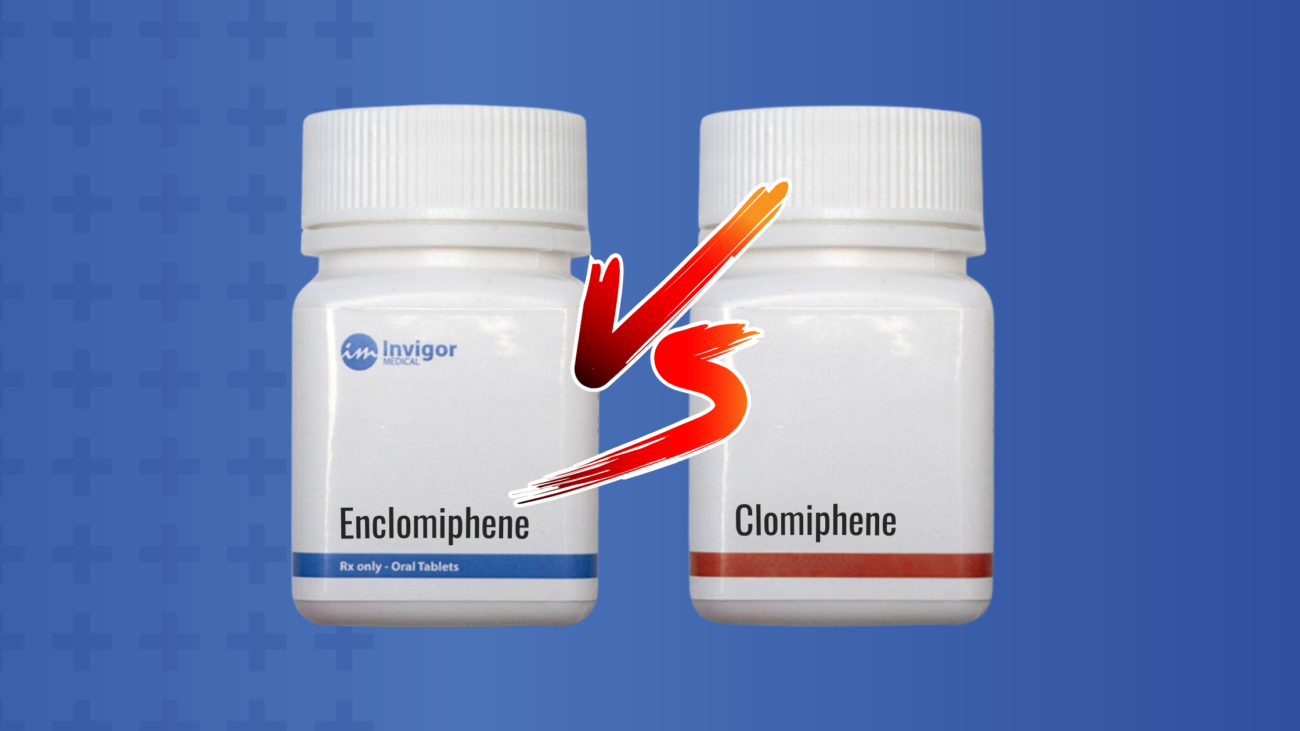
- Common PCT Compounds: Selective Estrogen Receptor Modulators (SERMs) like Nolvadex (Tamoxifen) or Clomid (Clomiphene) are commonly used in PCT regimes to stimulate the release of luteinizing hormone (LH) and follicle-stimulating hormone (FSH), which in turn signal the testes to produce testosterone.
- Timing and Duration: The timing and duration of your PCT will depend on the specific SARM used, the dosage, and the length of your cycle. Generally, it begins after the SARM has cleared your system and lasts for 4-6 weeks.
If you’re exploring the best SARMs for healing joints and tendons, you might find it helpful to read a related article that delves into performance enhancers and their benefits. This article provides insights into various compounds that can support recovery and enhance overall performance. For more information, you can check out this informative piece on performance enhancers.
Ethical and Health Considerations
You must weigh the potential benefits against the risks and consider the ethical landscape surrounding these compounds.
Consulting with a Healthcare Professional
Given the unapproved status and potential health risks, consulting with a knowledgeable healthcare professional before considering SARMs is strongly advised.
- Comprehensive Health Assessment: A doctor can assess your medical history, current health status, and the nature of your joint/tendon injury to determine if any underlying conditions would contraindicate SARM use.
- Monitoring and Guidance: If you choose to proceed despite the risks, a doctor can help monitor your bloodwork (testosterone, lipids, liver enzymes) and guide a PCT strategy. However, many doctors may be hesitant to endorse or prescribe these unapproved substances.
- Alternative Therapies: A healthcare professional can also discuss FDA-approved, evidence-based treatments and rehabilitation strategies that may be safer and more effective for your specific condition.
Prioritizing Proven Methods
Before resorting to unapproved compounds, ensure you have exhausted proven and safer methods for joint and tendon healing.
- Physical Therapy and Rehabilitation: Tailored exercise programs are fundamental for strengthening surrounding muscles, improving flexibility, and promoting tissue repair.
- Rest and Activity Modification: Allowing injured tissues to heal by avoiding aggravating activities is crucial.
- Nutrition and Supplementation: A diet rich in protein, vitamins (especially Vitamin C, which is vital for collagen synthesis), and minerals, along with targeted supplements like collagen peptides, glucosamine, chondroitin, and omega-3 fatty acids, can support tissue health.
- Anti-Inflammatory Strategies: Over-the-counter NSAIDs, ice, and elevation can help manage acute inflammation.
- Injections and Medical Interventions: Corticosteroid injections, platelet-rich plasma (PRP) therapy, or even surgical repair are options for more severe or persistent issues.
In conclusion, while SARMs present an intriguing avenue for accelerated joint and tendon healing due to their targeted anabolic effects, you must approach them with extreme caution. The lack of regulatory oversight, incomplete long-term safety data, and potential for side effects demand a sober and informed decision-making process. Prioritizing well-established, evidence-based methods and consulting with a healthcare professional remains the most responsible and safest approach to managing joint and tendon injuries.
FAQs
What are SARMS?
SARMS, or selective androgen receptor modulators, are a type of performance-enhancing drug that are similar to anabolic steroids but with less androgenic properties. They are often used to promote muscle growth and aid in injury recovery.
How do SARMS help with healing joints and tendons?
SARMS have been shown to have anabolic effects on muscles and bones, which can aid in the healing of joints and tendons. They can help increase muscle mass and strength, as well as promote bone density, which can support the overall health and function of joints and tendons.
What are some of the best SARMS for healing joints and tendons?
Some of the best SARMS for healing joints and tendons include MK-2866 (Ostarine), LGD-4033 (Ligandrol), and S4 (Andarine). These SARMS have been shown to have positive effects on muscle and bone health, which can support the healing process for joints and tendons.
Are there any potential side effects of using SARMS for healing joints and tendons?
While SARMS are generally considered to have fewer side effects than anabolic steroids, they can still have potential risks. Some potential side effects of SARMS include testosterone suppression, liver toxicity, and cardiovascular issues. It’s important to use SARMS under the guidance of a healthcare professional.
What are some alternative methods for healing joints and tendons?
In addition to using SARMS, alternative methods for healing joints and tendons include physical therapy, proper nutrition, rest, and other supplements such as collagen and glucosamine. It’s important to consult with a healthcare professional to determine the best approach for individual needs.
Related Posts

Why BPC-157 and TB-500 are the Ultimate Recovery Duo?

Ostarine vs RAD140: Which SARM Reigns Supreme
Imagine achieving the muscle gains of your dreams without sacrificing your health or breaking the bank. With Ostarine and RAD-140, this vision feels tantalizingly within reach. Both SARMs promise impressive results, but the choice between them hinges on various factors including your fitness goals, dosage preferences, and tolerance for potential side effects. As we unravel the unique benefits and challenges posed by each, you'll discover insights that could help steer your fitness journey in a direction that aligns perfectly with your aspirations. So, let's delve into the fascinating world of SARMs and find out which one could potentially be your ultimate ally.

Best Time to Start Your First SARMS Cycle Explored
Delving into the world of SARMS can be both exhilarating and intimidating. With promises of enhanced muscle growth, increased endurance, and accelerated fat loss, it's no wonder the allure is hard to resist. But before diving headfirst into this transformative experience, understanding the optimal timing could be the key difference between groundbreaking results and mere mediocrity. Within these lines, we'll explore not just the season or month that could maximize your gains, but the personal conditions and readiness required to make your first cycle truly impactful. Whether you're a seasoned athlete or a newcomer to fitness, knowing when to start can set the stage for your remarkable transformation.
SARMS and Peptides: Revolutionizing Fitness Through Science
Picture this: you're at the gym, grinding through another intense workout session, yearning for results that reflect your hard work and discipline. That's where the magic of SARMS and Peptides comes into play. For those who have ever felt stuck in a fitness plateau or frustrated with the slow pace of progress, these compounds present a scientifically-backed solution. By tapping into cutting-edge research, fitness aficionados worldwide are now beginning to uncover the potential of SARMS and Peptides to break barriers and redefine their physical limits. As we delve deeper into this blog post, prepare to discover the science, benefits, and considerations that make these compounds an exciting frontier in fitness innovation.