
Ostarine vs RAD140: Which SARM Reigns Supreme

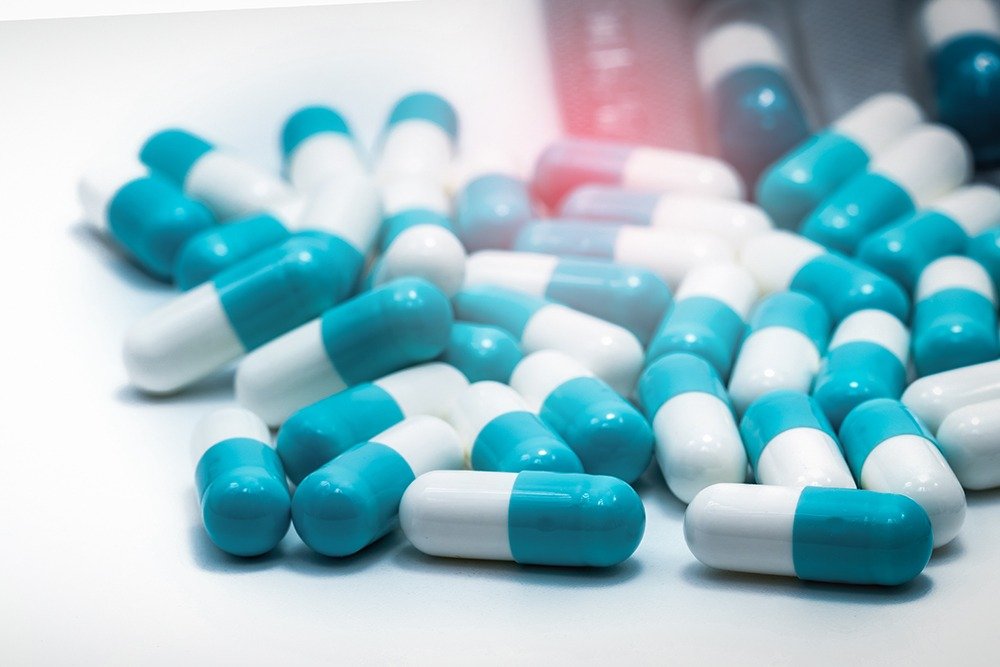
In a world where performance enhancement and muscle-building are no longer the exclusive domain of bodybuilders and athletes, the rise of Selective Androgen Receptor Modulators (SARMs) has sparked significant interest. Among the various options available, Ostarine and RAD-140 have emerged as two of the most popular choices. But when it comes to Ostarine vs. RAD-140, which SARM truly reigns supreme? This is not just a question of efficacy; it’s a deep dive into how these compounds interact with our bodies and what they offer to those in pursuit of the perfect physique.
Imagine achieving the muscle gains of your dreams without sacrificing your health or breaking the bank. With Ostarine and RAD-140, this vision feels tantalizingly within reach. Both SARMs promise impressive results, but the choice between them hinges on various factors including your fitness goals, dosage preferences, and tolerance for potential side effects. As we unravel the unique benefits and challenges posed by each, you’ll discover insights that could help steer your fitness journey in a direction that aligns perfectly with your aspirations. So, let’s delve into the fascinating world of SARMs and find out which one could potentially be your ultimate ally.
Ostarine: The Champion of Lean Muscle Mass
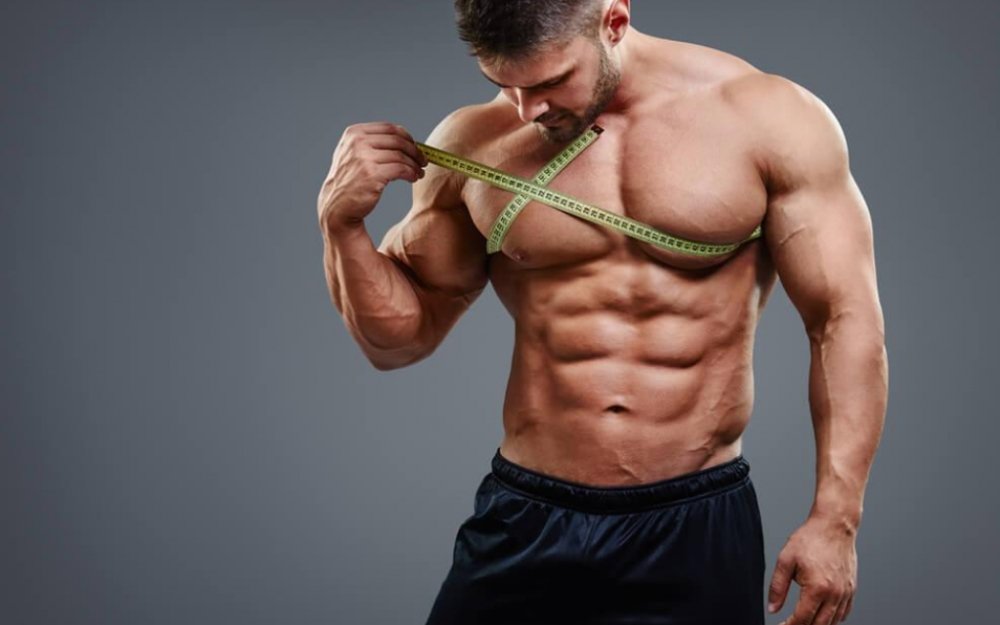
Ostarine, also known as MK-2866 or Enobosarm, has earned its reputation as the SARM of choice for individuals looking to build lean muscle mass without the bulk associated with anabolic steroids. By selectively targeting androgen receptors in muscle and bone cells, Ostarine promotes protein synthesis, which is the cellular process responsible for muscle repair and growth. Unlike traditional anabolic compounds, it carries a lower risk of unwanted virilization or organ strain, making it a safer option for both men and women seeking noticeable improvements in body composition.
In clinical studies, Ostarine has shown the ability to increase lean body mass significantly over a period of eight to twelve weeks, even when athletes do not change their dietary intake or training regimen. This predictable and consistent performance enhancement is what has catapulted Ostarine to the top of many fitness enthusiasts’ wish lists. When debating Ostarine vs. RAD-140 for lean gains, many users cite Ostarine’s ability to carve out muscle definition, reduce overall fat percentage, and improve functional performance in the gym. At moderate dosages—typically between 10 and 25 mg daily—users often report smoother, harder-looking muscles, enhanced endurance, and quicker recovery times without the water retention or bloating seen with other compounds.
RAD- Powerhouse for Unmatched Strength Gains
RAD-140, sometimes simply called “RAD,” is lauded for its exceptional strength-building capacity. It binds more selectively to androgen receptors in muscle tissue than Ostarine, amplifying anabolic activity and leading to substantial increases in raw power. Bodybuilders and strength athletes gravitate toward RAD-140 when their primary objective is to break personal records on lifts like the bench press, squat, and deadlift rather than focusing solely on aesthetics.
When comparing Ostarine vs. RAD-140 for strength, RAD-140 frequently comes out on top due to its pronounced androgen receptor affinity—some studies suggest up to 90% receptor occupancy in muscle tissue. This level of engagement triggers a cascade of gene expression responsible for fast-twitch muscle fiber activation, translating into explosiveness and maximum force output. Typical dosages range from 15 to 30 mg per day, with cycles lasting six to eight weeks. Users often report increases of 15–25% in their one-rep max lifts over a single cycle, without the cardiovascular strain or liver toxicity commonly seen with high-potency anabolic steroids.
Mechanism of Action: How Ostarine Works in the Body
Ostarine operates through selective binding to androgen receptors located on muscle and bone cells. By activating these receptors, it mimics the effects of testosterone in promoting anabolic activity without affecting prostate or cardiovascular health to the same degree. This selectivity is what distinguishes Ostarine from traditional steroids, offering a favorable safety profile for many users.
Once bound, the Ostarine-androgen receptor complex migrates to the cell nucleus, where it influences gene expression to enhance protein synthesis. Enhanced protein synthesis accelerates muscle repair, reduces catabolism, and supports new tissue growth—key processes for anyone looking to gain lean muscle mass.
Mechanism of Action: How RAD-Impacts Muscle Growth
RAD-140 is more potent than Ostarine due to its higher affinity for androgen receptors in muscle tissue. This results in a stronger anabolic signal, driving greater muscle fiber hypertrophy and strength gains. Unlike Ostarine, which balances anabolic effects with a relatively mild androgenic profile, RAD-140 pushes anabolic pathways more aggressively.
Upon administration, RAD-140 binds to androgen receptors and promotes an upregulation of IGF-1 (insulin-like growth factor 1) in muscle cells. IGF-1 is a key hormone for muscle growth, stimulating satellite cell activation and fusion, which contributes to muscle fiber enlargement and repair. This mechanism underpins RAD-140’s reputation as a premier choice for those seeking dramatic strength improvements.
Efficacy Comparison: Ostarine vs. RAD-Studies
When evaluating Ostarine vs. RAD-140 through clinical studies, Ostarine shows consistent lean mass gains of 1.5 to 3 kg over 12 weeks, with minimal impact on hormone levels outside targeted tissues. Conversely, RAD-140 trials—though fewer in number—demonstrate muscle mass increases up to 4 kg in eight weeks, often accompanied by significant strength improvements.
Independent lab tests underscore RAD-140’s superior anabolic potency but also hint at a slightly higher incidence of temporary testosterone suppression in male subjects, necessitating post-cycle therapy (PCT). Ostarine, on the other hand, tends to maintain endogenous testosterone levels within or near baseline, making PCT less critical for short cycles.
Side Effects and Safety Profile of Ostarine
Ostarine’s safety profile is one of its most attractive features. Most users experience minimal side effects, which may include mild headaches, slight fatigue, or occasional nausea during the first week of a cycle. Unlike anabolic steroids, Ostarine does not typically cause significant changes in liver enzymes or cardiovascular markers at therapeutic doses (10–25 mg/day).
Long-term studies in elderly patients with muscle wasting have documented well-tolerated usage over several months without notable adverse events. However, very high dosages (above 30 mg daily) could lead to temporary testosterone suppression and lipid profile fluctuations. To mitigate risk, users should monitor blood work, keep dosages within recommended ranges, and limit cycles to 8–12 weeks.
Side Effects and Safety Profile of RAD-0
RAD-140 offers powerful anabolic effects but carries a higher likelihood of side effects than Ostarine. Users may experience testosterone suppression more readily, necessitating a structured PCT plan after an 8–10 week cycle. Common mild side effects include headaches, insomnia, and temporary decreases in HDL cholesterol.
Animal studies suggest that RAD-140 does not provoke liver toxicity at standard dosages (15–30 mg/day), but prolonged, high-dose usage without monitoring can lead to elevated liver enzyme readings. Cardiovascular strain appears minimal, yet prudent users will keep cycles to a maximum of 10 weeks and follow up with PCT and regular blood panels to ensure hormone levels rebound appropriately.
Choosing the Right SARM for Your Fitness Goals
Selecting between Ostarine vs. RAD-140 ultimately depends on your primary objectives. For those focusing on lean muscle gain, improved recovery, and a gentle impact on hormones, Ostarine stands out as the safer, more tolerable option. It’s ideal for beginners, those on a budget, or anyone looking for a mild but consistent anabolic effect without aggressive side effects.
If raw strength and rapid muscle hypertrophy top your checklist, RAD-140 may be worth the extra precautions. Its potent androgen receptor activation yields impressive power gains and noticeable size increases within two-month cycles. Just be ready to invest in quality supplements, blood work, and a robust PCT regimen to manage potential suppression and maintain long-term health.
Conclusion: Making the Decision between Ostarine and RAD-0
When weighing Ostarine vs. RAD-140, consider your experience level, performance goals, and tolerance for side effects. Ostarine excels at lean gains and recovery, while RAD-140 dominates in sheer strength and hypertrophy.
Your ultimate choice should reflect your priorities: choose Ostarine for a balanced, user-friendly cycle or RAD-140 for maximum power, keeping in mind the need for diligent post-cycle care.
Related Posts
Best SARMS for Healing Joints and Tendons?
CJC-1295 vs. Ipamorelin: Understanding the Difference in GH Release?

Why BPC-157 and TB-500 are the Ultimate Recovery Duo?

How To prevent Hair Loss on Cycle in 2026?
SARMS vs Prohormones: Which Packs the Most Powerful Punch
Let's delve into the dynamic world of SARMS vs. Prohormones by exploring their individual strengths, potential pitfalls, and the science backing each. Whether you're a seasoned athlete or just beginning your fitness journey, understanding the distinct mechanisms and results of these compounds can illuminate the path forward. Armed with this knowledge, you can make informed decisions that align with your health priorities and desired outcomes, empowering you to achieve unparalleled performance in the gym and beyond.
Best Time to Start Your First SARMS Cycle Explored
Delving into the world of SARMS can be both exhilarating and intimidating. With promises of enhanced muscle growth, increased endurance, and accelerated fat loss, it's no wonder the allure is hard to resist. But before diving headfirst into this transformative experience, understanding the optimal timing could be the key difference between groundbreaking results and mere mediocrity. Within these lines, we'll explore not just the season or month that could maximize your gains, but the personal conditions and readiness required to make your first cycle truly impactful. Whether you're a seasoned athlete or a newcomer to fitness, knowing when to start can set the stage for your remarkable transformation.

Dispelling SARMS Myths: Separating Fact from Fiction
With a surge in chatter across online forums and gym locker rooms, it's crucial to dissect fact from fiction. Many believe SARMs are a quick fix with miraculous results, while others warn of untold risks lurking beneath the surface. By embarking on this journey to dispel common SARMS myths, we aim to illuminate the actual science behind these compounds, navigating through exaggerated promises and unfounded fears. Whether you're considering SARMs for the first time or simply seeking the truth amid the noise, this exploration will provide you with clarity and confidence in understanding what SARMs can, and cannot, do.
How to Reduce Water Retention and Bloating on SARMS?
The good news is that by implementing a few strategic changes in your routine, you can effectively manage these side effects without compromising your fitness goals. In this blog post, we will explore practical strategies on how to reduce water retention and bloating on SARMS. From dietary adjustments to lifestyle tweaks, these tips will help you beat the bloat and maintain the sculpted physique you're working so hard to achieve. Read on to discover the steps you can take to stay comfortably on track with your fitness objectives.
Preventing Gynecomastia: Top Strategies Every Man Should Know
In this post, we delve into actionable steps to combat this condition before it starts. From understanding the role of hormones to making lifestyle adjustments, these insights are designed not only to empower men with knowledge but also to foster confidence in their everyday lives. Whether you're seeking to dodge the condition altogether or want to mitigate existing symptoms, the path to prevention begins with informed choices and proactive measures. Join us as we explore how you can take control and steer clear of gynecomastia complications.
The History of SARMS: From Medical Research to Fitness
The history of SARMS is a tale rich with intrigue—a journey through early pharmaceutical research labs, espionage-like scientific rivalries, and groundbreaking discoveries. From their initial development aimed at treatments for muscle-wasting diseases to their controversial status in sports and bodybuilding, each chapter of this narrative adds depth to our understanding of these compounds. Join us as we delve into this extraordinary saga, shedding light on the milestones and turning points that have shaped the SARMS landscape as we know it today.
SARMS and Peptides: Revolutionizing Fitness Through Science
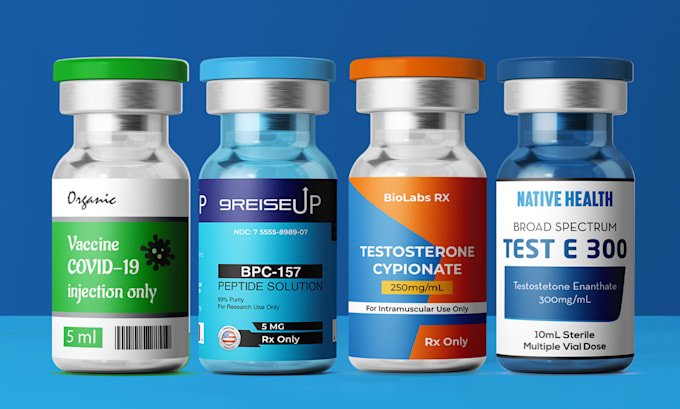
Picture this: you're at the gym, grinding through another intense workout session, yearning for results that reflect your hard work and discipline. That's where the magic of SARMS and Peptides comes into play. For those who have ever felt stuck in a fitness plateau or frustrated with the slow pace of progress, these compounds present a scientifically-backed solution. By tapping into cutting-edge research, fitness aficionados worldwide are now beginning to uncover the potential of SARMS and Peptides to break barriers and redefine their physical limits. As we delve deeper into this blog post, prepare to discover the science, benefits, and considerations that make these compounds an exciting frontier in fitness innovation.